
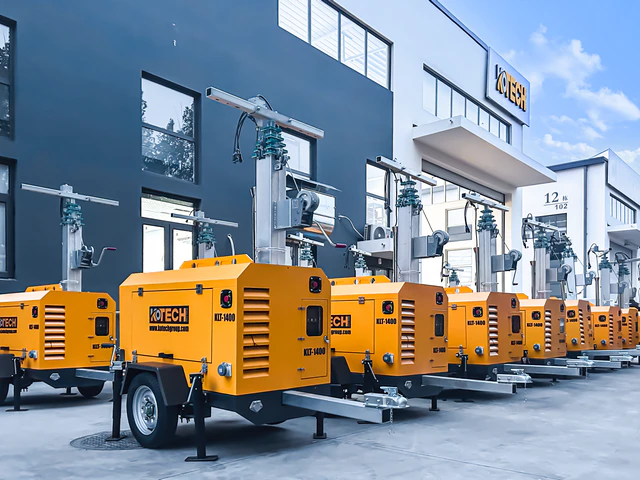
Maximizing Uptime: The Critical Role of Heavy-Duty Mining Air Compressors
The stakes in mining are always high. When your operation is deep underground or miles from the nearest service hub, a failing air compressor isn’t just an inconvenience; it’s a catastrophic disruption. From powering pneumatic tools and ventilation systems to supporting critical safety equipment, reliable compressed air is literally the breath of life for any mining venture.
Here are the key insights you need to carry forward:
- Longevity Drives Profitability: Investing in compressors designed for decades of service drastically reduces your total cost of ownership (TCO) by minimizing replacement cycles and unexpected capital expenditures.
- Downtime is a Profit Killer: Unscheduled downtime due to compressor failure can cost mining operations hundreds of thousands per hour, making reliability paramount.
- Harsh Environments Demand Bespoke Solutions: Standard industrial compressors rarely withstand the unique challenges of mining; specialized heavy-duty units are engineered for extreme dust, temperature, and vibration.
- Predictive Maintenance is Non-Negotiable: Integrating advanced monitoring and maintenance protocols extends lifespan and prevents catastrophic failures, shifting from reactive repairs to proactive asset management.
Why Your Mining Operation Can’t Afford Anything Less Than Decades of Service
The upfront cost of a truly heavy-duty mining air compressor might seem daunting, but it’s a strategic investment that pays dividends for decades. We’re talking about equipment that operates 24/7, often in environments that would shred lesser machines in months. The core conclusion here is simple: if you’re not planning for a 15-20 year lifespan from your primary air supply, you’re planning for expensive, disruptive failures. This isn’t just about output volume; it’s about sustained, consistent performance under duress.
These robust air systems underpin everything from drilling and blasting to material handling and safety systems. A compressor failure can ripple through an entire operation, halting production, endangering personnel, and racking up immense recovery costs.
The Hard Numbers: What Poor Compressor Reliability Really Costs You
Let’s talk brass tacks. The financial implications of an unreliable compressor are staggering. Beyond the direct repair costs, you face lost production, missed quotas, and penalties. While a compressor might only be one piece of the puzzle, it’s often a single point of failure that can trigger widespread halts.
Energy consumption is another massive factor. However, modern, heavy-duty units are engineered for efficiency. Furthermore, maintenance costs for standard compressors can quickly escalate. Investing in a machine built for endurance inherently reduces the frequency and severity of these costly interventions.
Engineering for Endurance: What Makes a Mining Compressor Truly Heavy-Duty?
It’s not just about bigger motors or thicker steel. True heavy-duty mining air compressors are designed with specific operational realities in mind. We’re talking about components that can withstand constant vibration, extreme temperatures, and pervasive dust.
Robust Componentry and Construction
This starts with oversized bearings, heavy-duty air ends, and robust cooling systems. The air end, the heart of any rotary screw compressor, must be designed with tight tolerances and superior materials to maintain efficiency and withstand continuous high-pressure operation. Cast iron construction for critical components is common, providing superior vibration dampening and structural integrity compared to lighter alternatives. We also look for advanced filtration systems, often multi-stage, to protect internal components from the abrasive dust and particulates common in mining environments.
Advanced Control Systems and Monitoring
Modern heavy-duty units incorporate sophisticated PLC (Programmable Logic Controller) systems for precise control and real-time monitoring. These systems track everything from pressure and temperature to vibration and lubricant levels. This data is invaluable for predictive maintenance. For example, remote telemetry allows operators to monitor compressor health from a central control room, identifying potential issues before they escalate into failures.
Corrosion Resistance and Environmental Sealing
Mining often involves corrosive elements, whether from groundwater, chemical exposure, or simply high humidity. Heavy-duty compressors feature specialized coatings, stainless steel components, and superior environmental sealing (IP ratings) to protect electronics and moving parts from ingress of dust and moisture. This attention to detail ensures the machine’s integrity isn’t compromised by the environment it operates in.
When “Good Enough” Just Isn’t: The Pitfalls of Under-Spec’d Systems
And honestly, it almost never ends well. While a commercial-grade compressor might perform adequately in a clean factory setting, it simply won’t survive the relentless grind of a mine. The dust will clog filters, wear out bearings, and contaminate lubricants at an accelerated rate. The vibrations from nearby blasting or heavy machinery will shake components loose.
Only when you commit to equipment specifically engineered for these punishing conditions will you see the longevity and reliability you need. This isn’t just about avoiding catastrophic failure; it’s about maintaining consistent performance without constant, expensive interventions. Trying to adapt a “general purpose” compressor for mining is like bringing a sedan to a rally race – it might move, but it won’t last. This approach is particularly unsuitable for underground mining, where accessibility for repairs is severely limited and safety requirements are incredibly stringent.
Implementing a Long-Term Air Strategy: Practical Steps for Maximizing Uptime
Achieving decades of service from your mining air compressors requires more than just buying the right machine; it demands a comprehensive strategy.
Strategic Sizing and Redundancy
First off, properly size your compressor for current and future demand. Overworking a unit dramatically shortens its lifespan. Equally important is building in redundancy. For mission-critical applications, operating with N+1 or even N+2 redundancy ensures that if one unit goes down, production isn’t halted. This might mean investing in an additional smaller compressor or having a robust backup system in place.
Proactive Maintenance Schedules
This goes beyond simply changing filters and oil. Implement a rigorous preventative maintenance schedule based on manufacturer recommendations and actual operational data. This includes regular vibration analysis, thermal imaging, and lubricant analysis. These diagnostic tools can detect nascent issues long before they become critical failures. According to our experience, consistent adherence to these schedules is the single biggest factor in extending compressor life.
Genuine Parts and Certified Technicians
Always use genuine OEM (Original Equipment Manufacturer) parts for replacements. Aftermarket parts might offer a lower upfront cost, but their quality and compatibility are often questionable, leading to premature wear or even catastrophic damage. Similarly, ensure that maintenance and repair work is performed by certified technicians who understand the specific nuances of heavy-duty mining equipment. Their expertise is invaluable.
Environmental Controls
While heavy-duty compressors are built for harsh environments, optimizing their immediate surroundings can further extend their life. This includes ensuring adequate ventilation, managing ambient temperatures, and minimizing dust ingress into the compressor housing area. Simple measures like routine cleaning of the immediate area around the compressor can make a significant difference.





