Selecting and Optimizing Diesel Air Compressors for Mining
The Unseen Costs of Underperforming Compressors in Mining
In portable mining, every piece of equipment faces brutal conditions. Dust, extreme temperatures, remote locations, and continuous operation push machinery to its limits. Nowhere is this more apparent than with air compressors, which power everything from rock drills and jackhammers to ventilation systems and dewatering pumps. It’s not just the repair bill; it’s the ripple effect of halted production, missed targets, and compromised safety.
Downtime is the silent killer of mining profitability. A significant portion of this can be attributed to support equipment like air compressors. When your air supply falters, your entire operation grinds to a halt. This isn’t theoretical; it’s a hard lesson learned on countless sites.
Beyond breakdowns, inefficient units drain budgets through excessive fuel consumption. Older diesel engines, or those not properly maintained, can burn through fuel at an alarming rate. With diesel prices often volatile, this can quickly erode profit margins. Modern diesel engines, particularly those meeting Tier 4 Final emission standards, have made incredible strides in efficiency.
These aren’t just minor inconveniences; they are substantial financial leaks. The choice of a high-performance diesel air compressor isn’t a luxury; it’s a strategic investment in operational continuity and cost control.
Defining High-Performance: What to Look for in a Mining Compressor
So, what exactly makes a diesel air compressor “high-performance” for portable mining use? It boils down to a blend of robust engineering, advanced technology, and intelligent design tailored for extreme environments. These aren’t your average construction site compressors; they’re built for a different league of abuse.
Engine Reliability and Efficiency
At the heart of any diesel compressor is its engine. For mining, you need industrial-grade powerplants from reputable manufacturers (e.g., Cummins, Caterpillar, John Deere). Crucially, ensure the engine meets the latest emission standards for your region (e.g., EPA Tier 4 Final in the US, EU Stage V in Europe). These engines are not only cleaner but also incorporate advanced fuel injection and combustion technologies that optimize fuel burn and reduce operating costs. Look for features like automatic engine shutdown for low oil pressure or high coolant temperature – small details that prevent catastrophic failures.
Ruggedness and Durability
The chassis and enclosure must withstand heavy impacts, vibration, and corrosive elements. Think heavy-gauge steel, reinforced frames, and robust tow hitches. Skid-mounted options are often preferred for flexibility in moving across rough terrain. Components like air filters, oil filters, and separators should be oversized and easily accessible for maintenance in remote locations. Corrosion resistance, especially in humid or coastal mining areas, is paramount. Consider units with powder-coated finishes or stainless steel components.
Optimal Air Delivery (CFM & PSI)
“High-performance” also means delivering the right volume (CFM – cubic feet per minute) and pressure (PSI – pounds per square inch) consistently. Over-specifying can lead to higher upfront costs and wasted fuel, while under-specifying leads to tool inefficiency and frustration. Understand the air requirements of your primary tools (e.g., drills, hammers, blast pots). Variable speed drive (VSD) compressors are increasingly popular because they adjust engine speed to match air demand, saving significant fuel compared to fixed-speed units that run at full throttle regardless of load.
Advanced Control Systems and Telematics
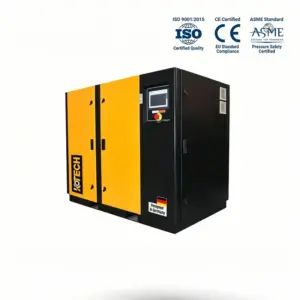
Modern high-performance units feature intuitive control panels, often with digital displays that provide real-time operational data: fuel level, engine temperature, compressor pressure, service intervals. The real cutting edge is telematics integration. These systems allow remote monitoring of location, fuel consumption, engine diagnostics, and operational parameters. This data is invaluable for predictive maintenance, optimizing logistics, and ensuring compliance.
Practical Considerations: Choosing the Right Unit and Maximizing ROI
Selecting the ideal portable diesel air compressor for your mining operation involves more than just comparing spec sheets. It’s about a holistic understanding of your site, your budget, and your long-term goals. Here’s how to approach it:
Assessing Your Specific Needs
Before even looking at models, document your requirements. What tools will it power? How many simultaneously? What are the ambient temperatures? How often will it be moved? Is noise a concern? What are the regulatory requirements for emissions and safety in your region? Only when these questions are answered can you accurately determine the necessary CFM, PSI, and specific features.
Total Cost of Ownership (TCO)
The initial purchase price is just one piece of the puzzle. Factor in fuel consumption, maintenance costs (parts, labor, filters), depreciation, and potential downtime costs. A cheaper unit upfront might cost you significantly more over its lifespan in fuel and repairs. Conversely, a higher-priced unit with superior fuel efficiency and reliability can offer a far better return on investment over three to five years. This is a classic example of “you get what you pay for” in a harsh industrial setting.
Supplier Reputation and Support
A high-performance compressor is only as good as the support behind it. Choose suppliers with a strong reputation for after-sales service, readily available parts, and knowledgeable technicians. In remote mining locations, quick access to support can mean the difference between minor inconvenience and major operational disruption.
Maintenance and Operational Best Practices
Even the best equipment will fail without proper care. Implement a rigorous preventative maintenance schedule. This includes daily checks (fluid levels, air filters, visual inspections), regular oil and filter changes, and periodic checks of critical components like hoses, belts, and electrical connections. Train your operators on proper startup, shutdown, and troubleshooting procedures. Neglecting these steps, even for a short period, can dramatically shorten the lifespan of your investment. For instance, dirty air filters are a common culprit for reduced efficiency and increased fuel burn, yet they are often overlooked until performance noticeably drops.
However, it’s worth noting that even the most robust diesel compressors aren’t a “set it and forget it” solution. They require constant vigilance, especially in environments where dust and debris are rampant.
Future Trends: Driving Efficiency and Compliance
The portable mining compressor landscape is constantly evolving, driven by stricter environmental regulations, the push for greater efficiency, and advancements in digital technology. Staying ahead of these trends is crucial for long-term operational success.
Hybrid and electric options, while not yet dominant for heavy-duty portable mining due to battery limitations and charging infrastructure, are gaining traction in specific niches like underground mining where emissions are a critical concern. For surface mining, the focus remains on optimizing diesel technology.
Expect to see more integration of AI and machine learning into compressor control systems. These technologies will enable even more precise predictive maintenance, optimizing performance based on real-time environmental data and operational patterns. The goal is to move from reactive repairs to proactive maintenance, minimizing downtime almost entirely. Furthermore, advancements in materials science are leading to components that are lighter, more durable, and more resistant to wear and corrosion, further extending equipment lifespan in challenging mining applications.