Optimizing Mining Operations with Purpose-Built Air Compressors
In the challenging world of mineral extraction, the difference between a productive day and a costly shutdown often hinges on the reliability of your foundational equipment. When it comes to air compression, standard industrial units simply don’t cut it. We need Industrial Air Compressors Designed for Mining Applications – systems engineered from the ground up to withstand brutal conditions, deliver consistent performance, and prioritize safety above all else. This isn’t just about moving air; it’s about powering drilling, ventilation, material handling, and countless pneumatic tools without fail, deep underground or on remote surface sites.
Here are the key insights into selecting and deploying these critical assets:
- Durability is Non-Negotiable: Mining compressors must endure extreme dust, moisture, temperature fluctuations, and vibrations, demanding heavy-duty construction and superior filtration.
- Energy Efficiency Drives Profitability: With compressed air often accounting for a significant portion of a mine’s energy bill, selecting high-efficiency units with smart controls offers substantial operational savings.
- Safety Features are Paramount: Explosion-proof designs, robust pressure relief systems, and automatic shutdown capabilities are essential for protecting personnel and assets in hazardous environments.
- Remote Monitoring & Predictive Maintenance: Advanced telematics and IoT integration enable real-time performance tracking and proactive servicing, minimizing unexpected downtime in remote locations.
- Total Cost of Ownership (TCO) Matters Most: Initial purchase price is secondary to long-term reliability, maintenance costs, and energy consumption when evaluating mining-grade compressors.
The Uncompromising Demands of Mining Operations
Mining environments are inherently hostile. Whether it’s the fine abrasive dust of a surface quarry, the high humidity and confined spaces of an underground tunnel, or the extreme temperatures found in remote desert or arctic mines, every factor conspires against machinery. Air compressors in these settings aren’t just running; they’re fighting for survival. This necessitates designs that go far beyond what a typical manufacturing plant requires. We’re talking about robust enclosures, specialized filtration systems, and components built to withstand constant shock and vibration.
Uptime is king in mining. Every minute a drill isn’t running or a ventilation system isn’t circulating air translates directly into lost production and increased risk. This puts immense pressure on air compression systems to deliver continuous, reliable airflow. From powering jackhammers and rock drills to supporting critical safety systems like refuge chambers and emergency breathing apparatus, the role of these compressors is multifaceted and absolutely essential.
Driving Efficiency: The Economic Imperative
The operational costs associated with mining are staggering, and energy consumption is a major component. Compressed air systems are notorious energy hogs if not properly managed. In mining, where compressors often run 24/7, this percentage can be even higher.
This reality underscores the critical need for highly efficient air compressors. Modern mining-grade units are designed with advanced motor controls, variable speed drive (VSD) technology, and optimized airends to minimize energy waste. Investing in these technologies isn’t just about being green; it’s a direct path to significant cost savings.
Optimizing Energy Use with Smart Technology
Variable speed drive compressors are particularly impactful in mining applications where demand fluctuates. Instead of running at full capacity all the time, a VSD unit adjusts its motor speed to match the current air demand, significantly reducing power consumption during periods of lower activity. This intelligent control not only saves energy but also reduces wear and tear on the components, extending the compressor’s lifespan.
Beyond Horsepower: Core Design Principles for Mining Compressors
The true value of an industrial air compressor designed for mining lies in its specialized features. It’s not just a bigger motor; it’s a holistic approach to engineering resilience and performance.
Robust Construction & Enclosures
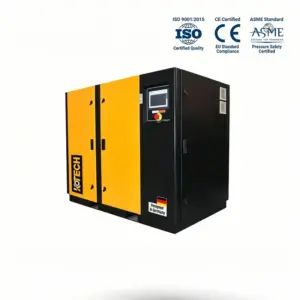
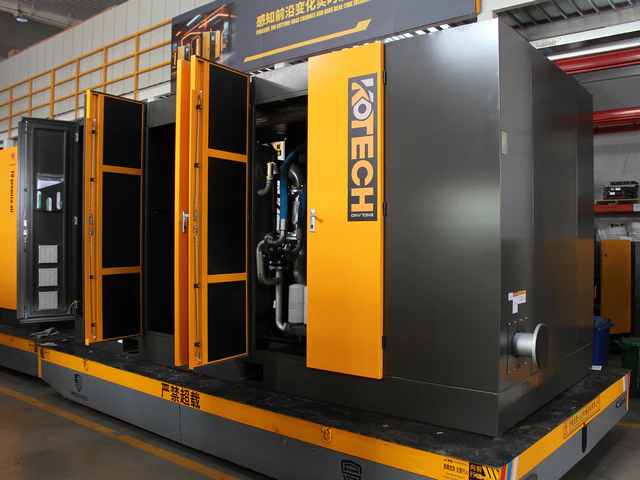
Mining compressors typically feature heavy-gauge steel enclosures, often skid-mounted or trailer-mounted for mobility across rugged terrain. These enclosures provide superior protection against impacts, corrosive elements, and extreme weather. Sound attenuation is also a key consideration, particularly for units operating in proximity to workers.
Advanced Filtration Systems
Dust and particulate matter are pervasive in mining. Standard air filters would clog almost immediately. Mining compressors incorporate multi-stage heavy-duty air intake filters, often with pre-cleaners, to protect the compressor’s internal components from abrasive particles. This extends the life of the airend and reduces maintenance frequency.
Efficient Cooling Systems
Operating in high ambient temperatures or confined underground spaces demands robust cooling. Overheating leads to breakdowns and reduced efficiency. Mining compressors feature oversized coolers, often with separate cooling systems for the oil and air, designed to operate effectively in challenging thermal conditions. Some units incorporate water-cooled or remote-cooled options for underground operations.
Integrated Safety Features
Safety is paramount. Explosion-proof components, spark arrestors, and flame-retardant materials are critical for applications in gassy mines or areas with combustible dust. Pressure relief valves, emergency stop buttons, and automatic shutdown systems for low oil pressure or high temperature are standard, protecting both the equipment and the workforce.
Mobility and Accessibility
Many mining operations require compressors that can be easily moved from one location to another. Trailer-mounted or skid-mounted units with robust lifting points are common. Design also considers ease of maintenance, with accessible service points and modular components to facilitate quick repairs in the field.
When Standard Won’t Cut It: Identifying Specialized Needs
This approach rarely yields the desired results. Mining applications present unique boundary conditions where standard equipment will inevitably fail or operate inefficiently.
- High Altitude Operations: Air density decreases with altitude, impacting compressor efficiency and requiring specific sizing and motor adjustments to maintain performance.
- Extreme Temperatures: From sub-zero arctic conditions requiring specialized lubricants and heating elements, to scorching desert heat demanding advanced cooling, standard units are not equipped for such wide ranges.
- Explosive Atmospheres: Underground coal mines or areas with methane gas require intrinsically safe or explosion-proof (EX-rated) compressors. A standard unit poses an unacceptable fire and explosion risk.
- Remote Locations: Limited access to spare parts and skilled technicians means compressors must be exceptionally reliable and designed for extended service intervals.
Only when a compressor is specifically engineered and certified for these specific environmental and safety classifications can it be considered truly suitable for mining. Anything less is a compromise that invites risk and inefficiency.
Implementing Smart Compressor Solutions: A Practical Roadmap
Deploying the right air compression system in a mining operation involves more than just purchasing a unit. It requires a strategic approach to selection, integration, and ongoing management.
1. Assess Your Specific Needs
Start by accurately determining your airflow (CFM/m³) and pressure (PSI/bar) requirements for all connected tools and processes. Consider future expansion. Factor in environmental conditions: ambient temperature, altitude, dust levels, and potential explosive atmospheres. This comprehensive assessment is the bedrock of proper selection.
2. Prioritize Total Cost of Ownership (TCO)
Look beyond the initial purchase price. Evaluate energy consumption (often the largest cost over the compressor’s lifetime), maintenance intervals, parts availability, and expected lifespan. A more expensive, highly efficient, and durable unit will almost always offer a lower TCO in the long run.
3. Embrace IIoT and Remote Monitoring
Modern mining compressors often come with integrated Industrial Internet of Things (IIoT) capabilities. These systems provide real-time data on pressure, temperature, power consumption, and fault codes. This data is invaluable for predictive maintenance, allowing operators to anticipate issues before they lead to costly downtime.
4. Implement a Robust Maintenance Schedule
Even the most rugged compressor needs diligent maintenance. Adhere strictly to manufacturer recommendations for filter changes, oil analyses, and component inspections. Training your on-site team for basic troubleshooting and preventative tasks can significantly reduce reactive maintenance calls.
The Future Landscape: Innovations in Mining Air Compression
The mining industry is constantly evolving, and so too are the technologies supporting it. We’re seeing exciting developments in air compression:
- Electrification: As mines move towards decarbonization, electric-powered compressors are gaining traction, especially in underground operations where emissions are a major concern.
- Advanced Materials: Research into more durable, lighter, and corrosion-resistant materials for compressor components promises even greater longevity and reduced maintenance.
- AI-Driven Diagnostics: Leveraging artificial intelligence to analyze IIoT data can provide even more precise predictive maintenance insights, optimizing performance and preventing failures with unprecedented accuracy.
- Modular & Containerized Solutions: For rapid deployment and flexibility, fully containerized compressor stations are becoming more common, offering plug-and-play solutions for temporary or expanding operations.
These innovations are not just incremental improvements; they represent a fundamental shift towards more sustainable, autonomous, and efficient mining operations. Staying abreast of these trends is crucial for any forward-thinking mining company.