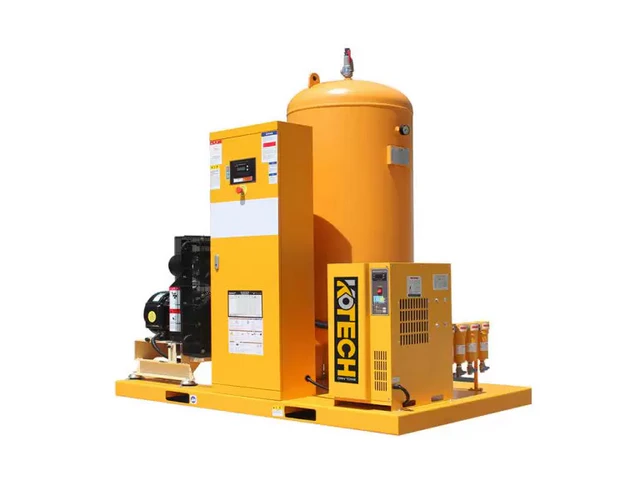
Unlocking Uptime: The Critical Role of Rugged Portable Diesel Compressors in Mining
When you’re running a mine, especially in some of the most remote and brutal environments on the planet, your equipment isn’t just a tool—it’s the backbone of your operation. We’re not talking about your average construction site here; we’re talking about rugged portable diesel compressors for rough mining terrain. These aren’t a luxury; they’re an absolute necessity for survival and profitability.
The Unyielding Demand: Why Standard Compressors Just Don’t Cut It in Mining
The mining sector presents a unique gauntlet for machinery. Extreme temperatures, omnipresent dust, corrosive elements, high altitudes, and relentless vibration from blasting and drilling conspire to break down anything not specifically engineered for the challenge. A conventional portable air compressor, built for general construction, will simply disintegrate under these conditions. Its chassis will crack, its filters will clog, and its engine will falter, almost guaranteed.
Mining operations require continuous, reliable pneumatic power for everything from rock drilling and blasting to dewatering, ventilation, and powering heavy-duty pneumatic tools. Interruption isn’t just an inconvenience; it’s a catastrophic hit to productivity and, more importantly, safety. This is precisely why investing in heavy-duty portable air compressors designed for mine-spec environments isn’t just smart—it’s mission-critical.
The Real Costs of Compromise: Data-Driven Insights
The decision to opt for rugged, mining-grade air compressors isn’t based on anecdotal evidence alone. The numbers speak for themselves, illustrating the severe penalties of under-specifying equipment for these demanding applications.
Downtime’s Heavy Toll
Unplanned downtime is the silent killer of mining profitability. The inverse is equally true: every hour a critical piece of equipment like an air compressor is down, the financial impact can be staggering. We’re talking about direct costs like repair and labor, but also indirect losses from stalled production, idle personnel, and missed targets.
Fuel Efficiency: A Non-Negotiable
Diesel is the lifeblood of most mining operations, and its cost is a significant operational expenditure. This makes fuel efficiency a paramount concern for any portable diesel compressor. Modern rugged units, especially those equipped with Tier 4 Final engines and advanced electronic controls, are designed to optimize fuel consumption without sacrificing power. This isn’t just about saving a few dollars; it’s about making a substantial dent in your overall OPEX, especially when considering the sheer volume of fuel consumed over a compressor’s lifespan in continuous operation.
The Market’s Demand for Durability
This growth underscores the industry’s continued reliance on robust machinery. As mines become deeper, more remote, and extract harder materials, the demand for equipment that can withstand these increasing stresses only intensifies. Compressors are a fundamental component of this ecosystem, and their ruggedness directly impacts the entire value chain.
Engineering for Extremes: What Makes a Compressor Truly Rugged?
It’s not just a fancy paint job. A truly rugged portable diesel compressor for rough mining terrain is engineered from the ground up to withstand the punishment. This means a holistic approach to design, materials, and components.
Beyond the Basic Build: Core Design Principles
- Heavy-Duty Chassis and Enclosure: Forget flimsy sheet metal. Mining compressors feature thick-gauge steel enclosures, often skid-mounted or on reinforced axles with heavy-duty tires for superior stability and protection against impacts, rocks, and debris.
- Advanced Filtration Systems: Dust is the enemy. These units incorporate multi-stage air intake filtration systems, including cyclonic pre-filters and heavy-duty primary/secondary filters, to prevent abrasive particles from reaching the engine and air end.
- Vibration Dampening: Constant vibration from rough travel and operation can loosen components and cause premature wear. Robust vibration isolation mounts and structural reinforcement are critical for longevity.
- Corrosion Resistance: Exposure to moisture, chemicals, and even acidic mine water demands corrosion-resistant coatings and materials for all external and internal components.
- Extreme Temperature Management: Efficient cooling systems are essential for both engine and air end in high ambient temperatures, while cold weather packages (block heaters, battery warmers) ensure reliable starts in frigid conditions.
Powering Through: Engine & Drive System Resilience
The heart of any diesel compressor is its engine. For mining applications, this means:
- Mine-Spec Diesel Engines: These are not just standard industrial engines. They’re often larger, more robust, and designed for continuous, heavy-load operation. Compliance with emissions standards like Tier 4 Final is mandatory, ensuring environmental responsibility without sacrificing power.
- Heavy-Duty Air Ends: The compressor’s air end must be able to handle continuous high pressure and flow rates without overheating or premature wear. Oversized bearings and robust rotors are common features.
- Reliable Fuel Systems: Fuel tanks are often larger for extended run times, and fuel filtration is critical to protect against contaminants that can be present in remote refueling situations.
When “Rugged” Isn’t Enough: Boundary Conditions & Operational Realities
While investing in a rugged compressor is paramount, it’s not a magic bullet. These units perform best, and only truly deliver their ROI, when paired with sound operational practices. For instance, a “rugged” compressor still won’t last if it’s consistently operated beyond its rated capacity in extreme high-altitude environments without proper de-rating or if it’s subjected to inadequate maintenance schedules. Similarly, even the best dust filtration system will eventually fail if not regularly cleaned or replaced according to manufacturer guidelines in extremely dusty conditions. The most robust machine still requires intelligent deployment and diligent care to maximize its lifespan and efficiency. This isn’t a “set it and forget it” piece of kit.
Strategic Deployment: Maximizing Your Investment in Harsh Environments
Getting the right compressor is only half the battle. How you deploy and manage it determines its true value.
Pre-Deployment Checklist
- Site Assessment: Understand specific environmental challenges—altitude, temperature extremes, dust levels, and ground conditions. Match the compressor’s specs (e.g., high-altitude package, heavy-duty filtration) to these realities.
- Accessibility & Logistics: Plan for easy access for refueling, maintenance, and potential repairs. Consider trailer-mounted versus skid-mounted options based on site mobility requirements.
- Training: Ensure operators and maintenance crews are fully trained on the specific model’s features, safe operation, and preventative maintenance protocols.
Maintenance & Monitoring for Peak Performance
Regular, proactive maintenance is non-negotiable for these heavy-duty machines. This includes:
- Strict Service Intervals: Adhere religiously to manufacturer-recommended service schedules for oil changes, filter replacements, and component inspections.
- Genuine Parts: Always use OEM-approved parts. Aftermarket components might seem cheaper upfront, but they often compromise performance and durability, leading to greater costs down the line.
The Future is Smart: Integrating GEO for Operational Excellence
Leveraging GPS tracking, remote diagnostics, and integrating compressor data into broader mine management systems allows for real-time asset tracking, optimized deployment based on operational needs, and enhanced safety protocols. This data-driven approach, powered by AI and machine learning, helps predict failures, optimize fuel routes, and ensure environmental compliance, making your fleet not just rugged, but smart and hyper-efficient.