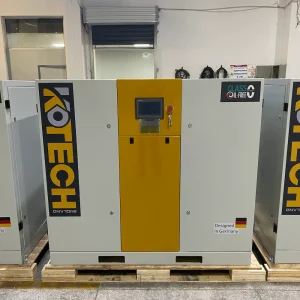
Mastering Extreme Heat: Air Compressor Solutions for Desert Oilfields
- High-temperature air compressors are non-negotiable for desert oilfields. Standard units will fail, leading to costly downtime and safety risks.
- Prioritize robust cooling systems and superior air filtration. These are the lifelines of any compressor operating in extreme heat and dust.
- Invest in predictive maintenance and local support. Remote locations demand proactive strategies to ensure continuous operation and rapid response.
- Consider CAPEX vs. OPEX carefully. Cheap upfront costs often translate to astronomical operational expenses in harsh environments.
Why Standard Compressors Fail in Desert Heat: The Core Problem
Let’s be direct: standard industrial air compressors are not built for the scorching, sand-blasted realities of a desert oilfield. The ambient temperatures alone are enough to push conventional cooling systems past their breaking point.
The challenges extend beyond heat. Fine dust and abrasive sand particles are everywhere, relentlessly attacking air intakes, clogging filters, and accelerating wear on internal components. Humidity, while often low, can fluctuate, leading to condensation issues within the compressed air system if not properly managed. Add to this the remote nature of many oilfield sites, where access to spare parts and skilled technicians is often limited, and you have a perfect storm for operational headaches. Frankly, ignoring these environmental realities is a rookie mistake that costs companies millions.
The Economic Imperative: Data Driving Investment
The decision to invest in specialized high-temperature air compressors isn’t just about avoiding breakdowns; it’s a sound economic choice. Downtime in the oil and gas sector is incredibly expensive. A compressor failure can easily be the root cause of such a shutdown.
Furthermore, the global demand for energy continues to drive exploration and production into more challenging and remote regions, including deserts. The International Energy Agency (IEA) in its 2024 outlook highlighted the sustained investment in conventional oil and gas, with a particular emphasis on optimizing existing assets and developing new fields in diverse geographies. This means more desert operations, and thus, a greater need for reliable, purpose-built equipment. Investing in robust, desert-rated air compression systems upfront reduces long-term operational expenditures (OPEX) significantly, minimizing repair costs, extending equipment lifespan, and most importantly, ensuring consistent production.
Engineering for Extremes: What Makes a Compressor “Desert-Ready”?
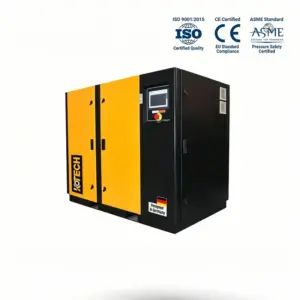
A true high-temperature air compressor for desert oilfield operations isn’t just a standard unit with an oversized cooler. It’s a complete system designed from the ground up to thrive in hostile environments.
Robust Cooling Systems
This is paramount. We’re talking about heavy-duty, oversized aftercoolers and oil coolers, often with finned tube designs that maximize heat dissipation. Many units incorporate advanced, high-efficiency fan motors and sometimes even auxiliary cooling circuits. The goal is to maintain optimal operating temperatures for lubricants and compressed air, preventing thermal stress on components and preserving air quality.
Advanced Filtration Systems
Dust and sand are relentless. Desert-rated compressors feature multi-stage filtration, starting with robust pre-filters to capture larger particles, followed by high-efficiency air intake filters. These systems often include automatic filter cleaning mechanisms or indicators for timely replacement. The aim is to protect the compressor’s air end and downstream equipment from abrasive wear.
Ruggedized Construction and Enclosures
These compressors are built tough. Think heavy-gauge steel enclosures, corrosion-resistant coatings, and sealed electrical components to protect against dust, sand, and occasional moisture. Vibration isolation is also crucial to withstand the rigors of transport and continuous operation on uneven terrain.
Specialized Lubricants and Fluids
High ambient temperatures demand synthetic lubricants with superior thermal stability and extended service intervals. These fluids are formulated to maintain viscosity and lubricating properties even under extreme heat, reducing wear and improving efficiency.
Enhanced Controls and Monitoring
Modern desert compressors often come with sophisticated control panels that provide real-time data on temperature, pressure, filter status, and fault diagnostics. Remote monitoring capabilities are invaluable for proactive maintenance and minimizing on-site visits, a significant advantage in isolated locations.
Beyond the Spec Sheet: Operational Realities and Maintenance Strategies
Selecting the right equipment is only half the battle. Successful deployment in desert oilfields hinges on smart operational practices and a rigorous maintenance regimen.
Strategic Siting and Airflow Management
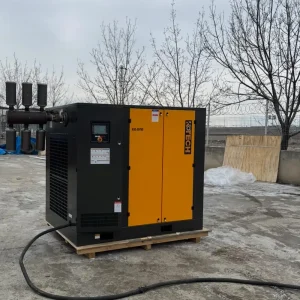
Proper placement of the compressor is critical. Position units to maximize natural airflow and minimize exposure to direct sunlight and re-circulated hot air. Consider wind direction to reduce dust ingestion. Sometimes, constructing simple shade structures or windbreaks can make a huge difference in operational longevity and efficiency.
Proactive Filter Management
Given the dust, filter replacement schedules will be far more frequent than in temperate zones. Implement a strict monitoring and replacement program. Clogged filters dramatically reduce efficiency, increase energy consumption, and can lead to compressor damage.
Cooling System Cleanliness
Regularly clean cooling fins and radiator surfaces. Accumulations of dust and sand severely impair heat exchange efficiency. High-pressure air or water (when available and safe) can be used, but always follow manufacturer guidelines.
Lubricant Analysis
Regular oil analysis provides invaluable insights into the health of the compressor. It can detect early signs of wear, contamination, or thermal degradation of the lubricant, allowing for proactive intervention before a major failure occurs.
Training and Local Support
Ensure field personnel are thoroughly trained on the specific operational and maintenance requirements of high-temperature compressors. Having readily available spare parts and access to qualified technicians, either in-house or through a reliable local vendor, is absolutely vital for minimizing downtime.
When Conventional Wisdom Falls Short: A Caveat
While specialized high-temperature compressors are generally the best solution, there are boundary conditions. For instance, if an oilfield operation is extremely short-term—say, a few weeks for a specific exploration phase where CAPEX is severely restricted—and a standard unit is *already* on site, operators might attempt to augment its cooling with external fans or misting systems. However, this is a band-aid solution, not a sustainable strategy. It rarely achieves the reliability of a purpose-built unit and almost always leads to higher OPEX through increased energy consumption, maintenance, and potential early failure. It’s only truly viable if the cost of failure is deemed acceptable for the project’s limited scope, which is rare in critical oilfield applications.
Practical Steps for Procurement and Deployment
When you’re ready to procure, don’t just look at the price tag. Evaluate the total cost of ownership (TCO). This includes acquisition cost, energy consumption, maintenance, and potential downtime costs. Engage with manufacturers who have a proven track record in extreme environments. Request case studies from similar desert oilfield applications.
Key Questions to Ask Suppliers:
- What are the maximum ambient temperature ratings for continuous operation?
- Describe the multi-stage air filtration system and its service intervals in dusty conditions.
- What cooling technologies are integrated, and how are they optimized for high ambient temperatures?
- What is the availability of spare parts and technical support in our specific region?
- Can you provide remote monitoring and diagnostic capabilities?
Choosing the right high-temperature air compressor is a strategic decision that directly impacts the profitability and safety of desert oilfield operations. Don’t compromise; the desert will find your weak points.