
Phased Upgrade Path for Compressor Systems Based on Lifecycle Cost
- This framework does not apply to small portable surface compressor units
A structured phased upgrade aligned with your current usage profile will deliver the best return for most operations.
What’s your current system cost baseline?
Start by mapping all cost categories, not just the initial purchase invoice.
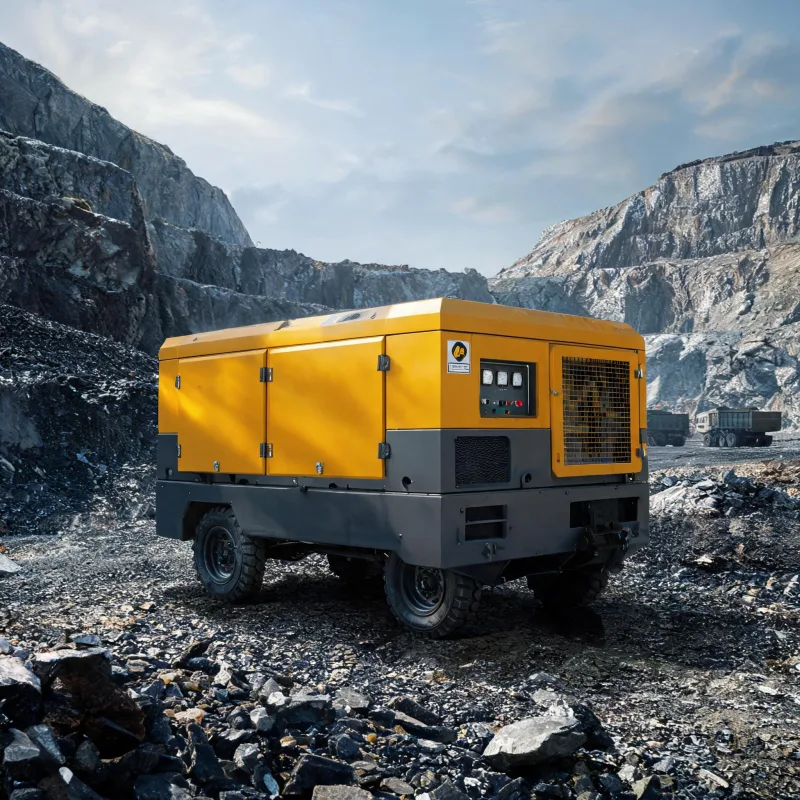
Most baseline audits can be completed in 1-2 site visits, using existing utility and maintenance logs. You don’t need a third-party audit to get an accurate baseline for decision making.
What signals trigger a cost-based upgrade?
The second clear trigger is two or more unplanned outages per 12-month period.
Efficiency drops often come from worn rotor parts or outdated control systems that waste compressed air.
This framework only applies to stationary heavy-duty air compressor systems for underground hard rock mining. It does not apply to small portable compressors used for surface exploration or auxiliary work.
What transitional solutions work for hard rock mines?
Transitional solutions let you spread cost over multiple shutdown windows, rather than tying up all capital in a single replacement. The most common transitional step is upgrading core components (rotors, motors, control systems) while retaining existing piping, air receivers and foundation structures.
This cuts upfront cost by roughly half compared to full replacement, and most upgrades can be completed within a standard 48-hour planned shutdown window. You don’t need to shut down production for a full week to complete the work.
What’s the step-by-step switching process?
Start with your backup compressor system first. Complete the upgrade during a planned shutdown, then shift production to the upgraded backup before working on the primary system. This eliminates unplanned downtime if any part of the upgrade hits a snag.
Lock in your shutdown window 3 months in advance, and have all new components delivered and inspected 2 weeks before work starts.
What’s your back-up plan if upgrades don’t meet targets?
Store the original core components in a secure on-site location for 90 days after the upgrade is complete. Keep a portable rental compressor on standby during the first 7 days of operation after each upgrade phase.
Having the old unit on hand let us switch back in 8 hours without extended downtime. The supplier reworked the new rotors at no extra cost, and we installed them during the next planned shutdown.
This small precaution eliminates the risk of a multi-day production loss from a mis-sized or defective upgrade component. It adds almost no extra cost for most operations.
Alternatives
Full immediate replacement: only for systems with irreparable structural damage Partial core component upgrade: for systems with 5-10 years of remaining service life Continued scheduled maintenance: for low-utilization systems with <1 outage/year
Procurement Checklist
□ Verify component efficiency ratings align with IEA 2023 mining standards □ Confirm component lead time matches your scheduled shutdown window □ Check that on-site technical support is included in the upgrade contract □ Confirm supplier allows 90-day storage of original components post-installation




