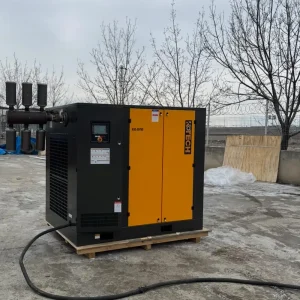
Optimizing Mining & Quarrying with Two-Stage Compressors
When you’re moving mountains, literally, you need equipment that won’t quit. They are simply indispensable for delivering the consistent, high-pressure air required to power everything from rock drills to pneumatic conveyors, directly impacting your bottom line.
**Key Insights**
- **Superior Energy Efficiency:** Two-stage compressors significantly cut power consumption compared to single-stage units for high-pressure demands.
- **Consistent High Pressure:** They reliably deliver the sustained pressure critical for heavy-duty pneumatic tools and deep drilling operations.
- **Enhanced Reliability & Longevity:** Reduced heat generation extends component life, minimizing downtime in harsh operating conditions.
- **Lower Total Cost of Ownership (TCO):** Energy savings and fewer maintenance cycles translate directly into substantial long-term financial benefits.
- **Crucial for Modern Operations:** Essential for meeting the demanding performance and efficiency standards of today’s mining and quarrying industry.
Why Two-Stage Compressors Dominate Tough Terrain
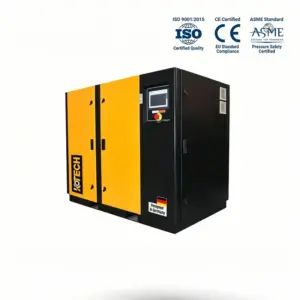
In mining and quarrying, the demand for compressed air is relentless. We’re talking about powering heavy rock drills, driving pneumatic hammers for scaling, or operating large-scale conveyor systems. Single-stage compressors often struggle to meet these sustained high-pressure requirements efficiently, leading to overheating, premature wear, and significant energy waste. Two-stage rotary screw compressors, however, are engineered precisely for this challenge. They compress air in two distinct stages, allowing for intercooling between stages. This approach drastically reduces the thermal load on the components and, critically, lowers the overall power consumption required to achieve the desired pressure.
The efficiency gains are real, and they stack up over continuous operation.
The Data Speaks: Efficiency and Reliability Metrics
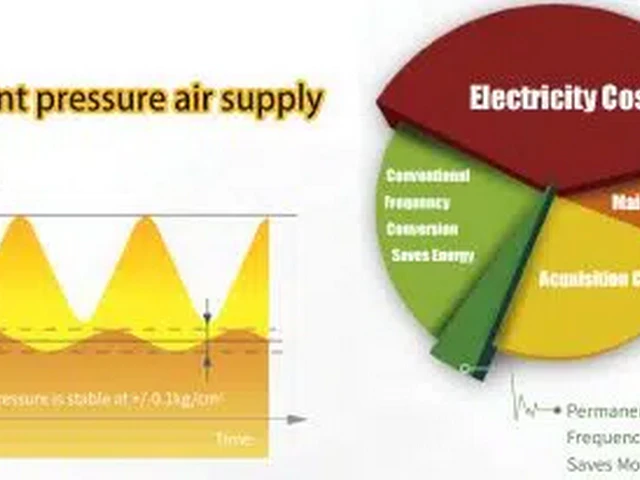
Let’s talk numbers, because that’s where the rubber meets the road. The energy consumption of industrial air compressors is a major operational cost. A significant chunk of that optimization comes from choosing the right compressor technology.
Based on our experience, the initial investment in a two-stage unit typically sees an ROI within 2-3 years, purely from energy savings.
Engineering for Extremes: How Two-Stage Systems Deliver
The operational environment in mining and quarrying is notoriously harsh. Dust, debris, extreme temperatures, and continuous heavy loads are standard. Two-stage compressors are designed to thrive under these conditions. Their staged compression process reduces the mechanical stress on components, particularly the airend. Less stress means less heat, and less heat means longer component life. This design also allows for better moisture separation, reducing the risk of corrosion in downstream equipment.
Think about a deep-hole drilling rig. It needs a constant, high volume of air at significant pressure to clear cuttings and drive the hammer. A two-stage unit provides that unwavering power without breaking a sweat, ensuring consistent penetration rates and preventing costly stoppages. It’s a false economy, every time.
When Single-Stage Just Won't Cut It: Boundary Conditions
While two-stage compressors offer compelling advantages, it’s important to understand their specific niche. They are overkill for every single application. For very small, intermittent operations that require low-pressure air (e.g., small workshops, light duty pneumatic tools, or tire inflation on site vehicles), a single-stage compressor might be more cost-effective upfront and perfectly adequate. The energy savings of a two-stage unit wouldn’t justify the higher initial capital expenditure in such scenarios.
However, for any continuous operation demanding pressures above 100 psi and significant airflow, particularly for critical production equipment, the two-stage system is the only sensible choice. This includes core mining activities like blast hole drilling, underground ventilation systems requiring high-pressure air for auxiliary fans, and large-scale aggregate processing in quarries where pneumatic conveying systems are common. The point is, don’t over-engineer for simple tasks, but certainly don’t under-engineer for your core business drivers.
Optimizing Your Fleet: Practical Implementation and ROI
Implementing two-stage compressors effectively requires more than just purchase; it’s about system integration. Proper sizing is paramount. Over-sizing leads to wasted energy from frequent cycling, while under-sizing causes constant strain and potential shutdowns. Conduct a thorough air audit to determine your exact pressure and flow requirements. This data will guide your selection.
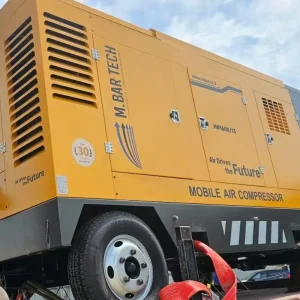
Consider variable speed drive (VSD) two-stage compressors. These units adjust their motor speed to match air demand, offering even greater energy savings, especially in operations with fluctuating air requirements. This makes them a strong commercial term for mining and quarrying, where demand often fluctuates throughout a shift or across different operational phases. Investing in a robust maintenance schedule is also non-negotiable. Regular filter changes, oil checks, and leak detection programs will ensure your two-stage units run at peak efficiency for their extended lifespan, maximizing your return on investment.