Two-Stage Air Compressors: The Gold Standard for F&B Purity & Performance
When you’re running a food or beverage processing plant, clean, reliable compressed air isn’t a luxury; it’s the lifeblood of your operation. It’s not just about moving air; it’s about delivering consistent, high-quality air that meets the rigorous demands of food safety and efficiency.
Here are the key insights:
- Two-stage compressors significantly boost energy efficiency, reducing operational costs critical for competitive F&B margins.
- They deliver cooler, more consistent air, minimizing stress on downstream equipment and enhancing air purity.
- Compliance with strict industry standards like ISO 8573-1 and HACCP is more reliably achieved with this technology.
- Reduced risk of product contamination and costly recalls is a primary benefit, safeguarding brand reputation.
- Their robust design ensures greater uptime and extended service intervals, crucial for continuous production.
Why Two-Stage Compressors Dominate Food & Beverage Processing
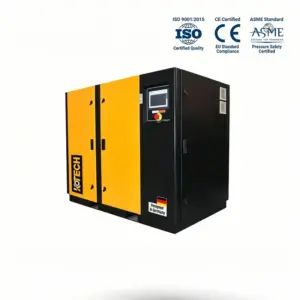
The food and beverage sector operates under intense pressure – literally and figuratively. From pneumatic conveying to packaging and fermentation, compressed air powers a vast array of critical processes. The core challenge? Delivering that power efficiently, consistently, and without introducing contaminants. This is precisely where two-stage air compressors shine, offering a distinct advantage over single-stage units. Their design compresses air in two separate stages, allowing for intercooling between stages. This process dramatically reduces the heat generated, leading to a more efficient compression cycle and cooler discharge temperatures.
The Unseen Costs of Subpar Compressed Air Systems
Many plant managers underestimate the hidden expenses tied to an inefficient or contaminated compressed air supply. Product recalls, for instance, can be devastating. Beyond recalls, energy consumption is a major pain point. Inconsistent air pressure leads to production slowdowns, equipment wear, and increased maintenance. These aren’t minor inconveniences; they directly impact your bottom line and operational stability.
Operational Advantages: Efficiency, Purity, and Consistency
Adopting a two-stage system in your F&B plant brings multiple tangible benefits.
Enhanced Energy Efficiency
The primary advantage of two-stage compression is its superior energy efficiency. By compressing air in two stages with intercooling, the compressor requires less power to achieve the desired pressure.
Superior Air Purity
Lower operating temperatures are critical. Cooler air means less moisture in the system, reducing the load on your dryers and filters. It also minimizes the potential for oil carryover in oil-lubricated units, although for F&B, oil-free compressors are almost always the preferred choice to meet stringent ISO 8573-1 air quality standards. The cooler air helps maintain the integrity of downstream filtration systems.
Consistent Pressure Delivery
Two-stage compressors are engineered for continuous, heavy-duty operation. This robustness ensures a stable and consistent air pressure supply, vital for precision applications like sorting, mixing, and bottling. Fluctuating pressure can lead to product inconsistencies and operational halts, something no F&B plant can afford.
Extended Equipment Lifespan
Less thermal stress on internal components means less wear and tear. This extends the lifespan of the compressor itself and reduces the frequency of maintenance, providing greater uptime for your production lines.
Navigating Regulatory Compliance and Industry Standards
For food and beverage processors, compliance isn’t optional. Regulations like HACCP (Hazard Analysis and Critical Control Points) and the FDA’s Food Safety Modernization Act (FSMA) demand meticulous attention to every aspect of the production environment, including compressed air quality. The international standard ISO 8573-1 specifies air purity classes. For direct food contact or critical applications, Class 0 (oil-free) is often mandated. Two-stage compressors, especially oil-free variants, are inherently better positioned to help you meet these strict requirements due to their efficiency and cooler operation which supports effective air treatment. Honestly, trying to cut corners here is just asking for trouble down the line.
Applications Across the Food & Beverage Spectrum
The versatility of two-stage air compressors makes them indispensable across various F&B segments:
- Beverage Bottling: Crucial for PET bottle blowing, capping, and label application. The consistent, oil-free air prevents contamination and ensures package integrity.
- Dairy Processing: Used for pneumatic conveying of powders, agitation, and packaging. Purity is paramount to prevent spoilage and maintain product quality.
- Bakery Operations: Powering dough mixing, ingredient transfer, and packaging machinery. Clean air prevents foreign matter from affecting baked goods.
- Meat & Poultry Processing: Essential for cutting tools, packaging, and sorting. Again, oil-free air is critical for hygiene and safety.
- Breweries: Used for fermentation aeration, bottling, and cleaning-in-place (CIP) systems. Maintaining a sterile environment is key to product quality.
When Single-Stage Might Still Be Considered (And Why It's Rare in F&B)
While two-stage compressors are generally superior for F&B, there are niche scenarios where a single-stage unit might be considered. These are typically very small, intermittent applications with low air demand where contamination risk is absolutely minimal, or where the compressed air never comes into contact with the product. Think a small workshop outside the production area, powering a non-critical hand tool. However, for any process directly or indirectly touching food or beverages, or for any continuous industrial application, a single-stage unit simply doesn’t offer the efficiency, purity, or reliability needed. Based on our experience, the initial cost savings of a single-stage unit are quickly dwarfed by higher energy bills and increased risk of contamination in a food processing context.
Future-Proofing Your F&B Operations
The industry is constantly evolving, with a growing emphasis on sustainability and smart manufacturing. Integrating two-stage air compressors with advanced control systems and IoT monitoring allows for predictive maintenance, further optimizing efficiency and uptime. This trend underscores the industry’s commitment to cleaner, more efficient compressed air solutions. When selecting your system, consider not just the immediate needs but also future expansion, potential regulatory shifts, and opportunities for energy recovery.