Mastering Noise Control: The Imperative of Low-Noise Compressors in Modern Mining
Let’s be frank: if your mining operation is anywhere near a town, village, or even a growing exurban area, ignoring noise pollution from your air compressors is a recipe for disaster. We’re not talking about a minor inconvenience here; we’re talking about permit delays, hefty fines, community backlash, and ultimately, a significant threat to your social license to operate. The days of “out of sight, out of mind” for mining noise are long gone. Today, low-noise mining air compressors are not merely an upgrade; they are a fundamental operational requirement.
Why Low-Noise is No Longer Optional for Near-Settlement Mines
The pressure on mining operations to minimize their environmental footprint, particularly noise, has intensified dramatically over the last decade. Communities are more vocal, regulations are more stringent, and the cost of non-compliance has never been higher. For any mine situated within earshot of residential areas, traditional, high-decibel air compressors are simply untenable.
The core issue boils down to two critical areas: regulatory compliance and community relations. Failing on either front can lead to operational shutdowns, legal battles, and irreparable damage to your reputation.
The Data Doesn’t Lie: Escalating Pressure and Costs
The numbers clearly illustrate the growing imperative for noise mitigation. According to PwC’s Mine 2022 report, maintaining social license to operate (SLO) continues to be a top challenge for mining executives globally. Community relations, directly impacted by issues like noise, are central to securing and retaining that SLO. Without it, even technically viable projects can stall indefinitely.
Beyond social acceptance, there’s the financial reality.
Furthermore, local noise ordinances, often influenced by Environmental Protection Agency (EPA) guidelines, are being enforced with greater rigor. Fines for noise violations can easily reach six figures for repeat offenders, not to mention the legal fees and potential for forced operational restrictions or complete shutdowns. The cost of proactive noise control pales in comparison to the reactive costs of non-compliance.
Engineering Solutions: How Modern Compressors Deliver Silence
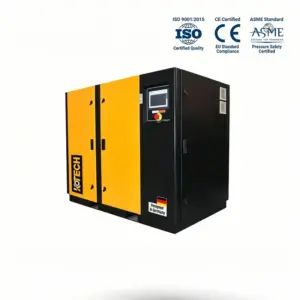
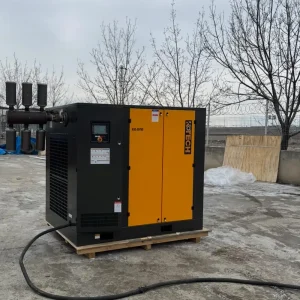
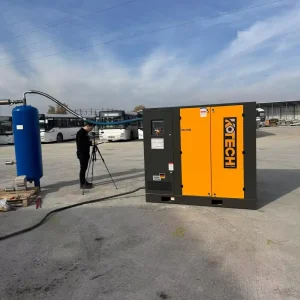
It’s easy to think “mining compressor” and picture a loud, rumbling beast. But modern engineering has made incredible strides in acoustic attenuation. Today’s low-noise mining air compressors are purpose-built to operate quietly, often achieving decibel levels comparable to normal conversation, even at close range.
How do they do it? It’s a combination of smart design and advanced materials:
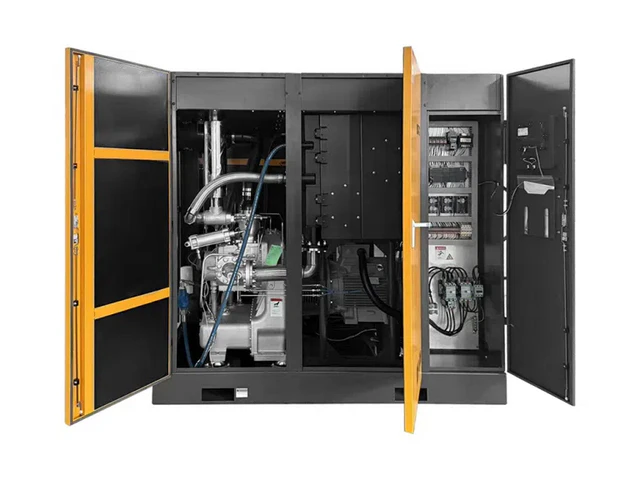
- Advanced Acoustic Enclosures: These aren’t just metal boxes. They’re meticulously engineered sound-dampening structures that absorb and deflect noise, often featuring multi-layered insulation and anti-vibration mounts.
- Optimized Airflow Paths: Reducing turbulence within the compressor system itself can significantly cut down on internal noise generation.
- Vibration Dampening Technology: Isolating the compressor’s core components from its frame and the ground prevents structural noise transmission.
- High-Efficiency Rotary Screw Elements: Modern rotary screw compressors operate more smoothly and efficiently, generating less mechanical noise.
- Intelligent Cooling Systems: Quieter fans and optimized air cooling reduce the high-pitched whine often associated with industrial compressors.
When you’re spec’ing out new equipment, don’t just look at CFM and PSI. Demand decibel ratings and ask for proof of performance in real-world mining conditions. Many manufacturers now offer “silent series” or “acoustic package” options specifically for sensitive environments.
Beyond the Spec Sheet: When Quiet Isn’t Enough (and When It Is)
While investing in quiet air compressors is a crucial step, it’s important to understand its boundaries. A low-noise compressor, by itself, won’t solve every noise problem if other site equipment remains excessively loud. Nor will it completely negate the need for a comprehensive community engagement strategy. However, it forms the bedrock of a responsible noise management plan.
Conversely, for remote, truly isolated mining sites, the extreme premium on ultra-low noise might not be the highest priority. In those scenarios, raw power, durability, and ease of maintenance often take precedence over an extra 5 dB reduction. But for anything within a few miles of a populated area, the argument for low-noise units becomes overwhelmingly strong.
Implementing a Quiet Strategy: Practical Steps for Mine Operators
Integrating low-noise solutions isn’t just about buying new equipment; it’s about a holistic approach:
- Conduct a Baseline Noise Audit: Before making any changes, understand your current noise profile. Use certified sound level meters to map noise emissions across your site and at your property line. This gives you a benchmark and identifies primary noise culprits.
- Prioritize Compressor Upgrades: Air compressors are often significant noise contributors. Focus on replacing or retrofitting older, louder units with modern, acoustically optimized models. Look for “silenced air compressors” or “environmental series” offerings.
- Strategic Placement and Enclosures: Even with quiet compressors, thoughtful placement matters. Position units away from settlements where possible, and consider additional external acoustic barriers or specialized soundproof compressor enclosures for critical areas.
- Regular Maintenance: A well-maintained compressor runs quieter. Loose panels, worn bearings, or faulty exhaust systems can all contribute to increased noise. Implement a robust preventative maintenance schedule.
- Employee Training: Ensure your team understands the importance of noise control and proper operation of quiet equipment.
- Community Engagement: Proactively communicate your noise mitigation efforts to local residents. Transparency and a willingness to address concerns can build immense goodwill.
It’s about protecting your license to operate, your relationship with the community, and ultimately, your financial stability in an increasingly scrutinized industry.