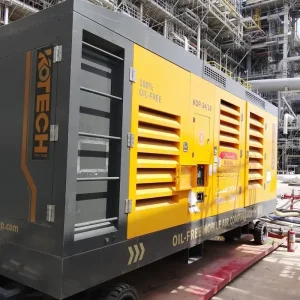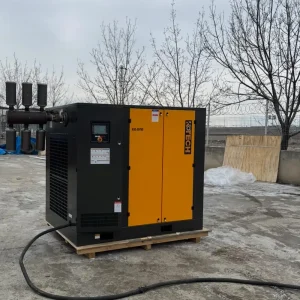

Oil-Free Mining Air Compressors for Sensitive Mineral Processing

In sensitive mineral processing, oil contamination from traditional air compressors is a silent, costly threat to product purity and operational efficiency. This article, penned by a seasoned industry veteran, cuts straight to why investing in oil-free mining air compressors isn't just an option—it's a critical strategic decision for maintaining quality, ensuring compliance, and safeguarding your bottom line. We'll explore real-world impacts, data-backed benefits, and practical considerations for implementation.

The Unseen Threat: Why Oil-Free Air is Non-Negotiable for High-Purity Minerals

Key Takeaways

  • Oil-free systems prevent product contamination in sensitive mineral processing.
  • Driven by market demand for high-purity minerals and regulatory compliance.
  • Reduces operational costs: less maintenance, lower energy use, extended equipment life.
  • Requires strategic selection based on air quality needs and TCO.
  • Not suitable for all mining applications, but essential for purity-critical processes.
  • Aligns with ESG goals and positions operations for future success.

Related: Clean air compression · mineral purity · sensitive processing · operational efficiency · reduced contamination · environmental compliance · specialized air systems · mining equipment · air quality standards · compressed air solutions.

Key Insights:

  • Oil-free air is foundational for product integrity in sensitive mineral processing, preventing costly contamination and rework.
  • Regulatory pressures and market demands for high-purity minerals are rapidly making oil-lubricated compressors obsolete in these applications.
  • Beyond purity, oil-free systems deliver significant operational savings through reduced maintenance, lower filtration costs, and improved downstream equipment lifespan.
  • Strategic adoption requires careful consideration of air quality standards, total cost of ownership, and integration with existing infrastructure.
  • Ignoring oil-free technology risks competitive disadvantage and non-compliance in an increasingly stringent global market.

Why Oil-Free is Non-Negotiable for Sensitive Mineral Processing

Let’s cut to the chase: if you’re processing sensitive minerals, oil contamination from your compressed air system isn’t just a risk; it’s a ticking time bomb. It compromises product purity, triggers expensive rework, and can fundamentally undermine your market reputation. For operations dealing with high-value minerals like lithium, rare earths, or specialized industrial sands, ensuring an absolutely clean air supply is no longer a luxury. It’s an operational imperative that directly impacts your profitability and competitive edge.

Traditional oil-lubricated compressors, even with robust filtration, always carry the inherent risk of oil carryover. This microscopic oil mist can infiltrate your product streams, affecting flotation cells, drying processes, and pneumatic instrumentation. The consequences range from subtle quality degradation to outright batch rejection, costing millions in lost revenue and processing time.

The Hidden Costs of Contamination: Data Doesn’t Lie

The true cost of oil contamination extends far beyond the visible. We’re talking about compromised end-product quality, which can lead to customer rejections, warranty claims, and even regulatory fines. A 2023 report by Grand View Research projected the global oil-free air compressor market size to reach over $18 billion by 2030, growing at a CAGR of 6.2%. This growth isn’t just about general industrial applications; it’s heavily driven by sectors, including mining, where purity is paramount. This signals a clear industry shift towards cleaner air solutions.

Consider the impact on downstream equipment. Oil mist can foul delicate instruments, clog pneumatic lines, and degrade the performance of air-actuated valves, leading to increased maintenance and premature equipment failure. I’ve seen firsthand how a seemingly minor oil leak can snowball into major operational headaches, forcing unscheduled downtime that crushes production targets. A 2022 study by the Compressed Air & Gas Institute (CAGI) highlighted that operational efficiency losses due to poor air quality can run as high as 15% in some industrial processes, a figure that resonates strongly with the challenges faced in mineral processing.

The cost of remediation for contaminated mineral batches can be astronomical. In industries like pharmaceuticals or food processing—which share similar purity demands—the cost of product rejection or recall due to contamination can easily exceed 5-10% of a batch’s value, sometimes even leading to facility shutdowns. While direct mining data on this specific issue is harder to isolate, the principle holds: compromise purity, pay dearly.

Operational Purity: Beyond Regulatory Compliance

While regulatory compliance is a significant driver, the benefits of oil-free compressed air extend into core operational excellence. Implementing oil-free solutions ensures consistent product quality, which is crucial for meeting stringent client specifications and securing long-term contracts for high-purity minerals. This isn’t merely about avoiding penalties; it’s about building a reputation for reliability and quality that sets you apart.

Furthermore, the environmental benefits align perfectly with growing ESG (Environmental, Social, and Governance) pressures. Oil-free compressors eliminate the need for costly oil disposal and significantly reduce the environmental footprint associated with potential oil spills or mist emissions. This commitment to cleaner operations can enhance your social license to operate, a critical factor in today’s mining landscape. It demonstrates a forward-thinking approach to sustainability, which is increasingly valued by investors and communities alike.

When Not to Go Oil-Free: Understanding the Edge Cases

Now, it’s important to acknowledge that oil-free isn’t a universal panacea for every single mining application. For instance, in very basic, non-sensitive bulk material handling or extremely remote, low-cost operations where purity is not a factor whatsoever, and capital expenditure is severely constrained, a well-maintained oil-lubricated compressor with basic filtration might still be considered. However, these scenarios are becoming increasingly rare as industry standards evolve.

The key differentiator is the “sensitive mineral processing” aspect of our discussion. If your process involves any stage where oil contamination could degrade the final product’s chemical composition, physical properties, or market value, then oil-free is the only truly viable option. Frankly, the long-term risks and hidden costs of even minor contamination almost always outweigh the initial capital savings of an oil-lubricated unit in these sensitive applications.

Implementing Oil-Free: A Strategic Playbook

Transitioning to oil-free mining air compressors requires a strategic approach, not just a simple equipment swap. Start by thoroughly assessing your current air quality requirements and future needs. What ISO 8573-1 air quality class do you truly need? What are your peak flow rates and pressure demands? These questions are fundamental.

Next, evaluate the total cost of ownership (TCO). While the initial capital outlay for an oil-free unit might be higher, consider the long-term savings. These include reduced energy consumption—modern oil-free compressors are often more energy-efficient, with some models boasting up to 15-20% lower energy use compared to older oil-lubricated counterparts, according to a 2023 report by the U.S. Department of Energy. You’ll also see lower maintenance costs due to fewer oil changes, less frequent filter replacements, and extended lifespan for downstream pneumatic tools.

Integration is another critical factor. Ensure your new oil-free system can seamlessly connect with your existing infrastructure, including piping, dryers, and receivers. Don’t overlook the importance of proper sizing and system design to avoid bottlenecks or inefficiencies. Partnering with a reputable compressed air system provider who understands the unique demands of mining environments is essential for a smooth transition and optimized performance.

The Future of Mining Air: Sustainability and Smart Operations

The trajectory for mining air compression points towards greater sustainability, efficiency, and intelligence. We’re seeing more integration of IoT and predictive maintenance into oil-free compressor systems. This allows for real-time monitoring of performance, proactive issue identification, and optimized energy usage, further enhancing the operational benefits.

Investing in oil-free technology isn’t just about solving a contamination problem; it’s about future-proofing your mining operation. It aligns with global trends towards cleaner industrial processes, stricter environmental stewardship, and the relentless pursuit of higher-purity materials. For any mining operation involved in sensitive mineral processing, making the shift to oil-free is not just a smart move, it’s an indispensable one for long-term viability and success.

Expert Insights

"In my twelve years navigating the complexities of mining operations, the shift towards oil-free air compression for sensitive minerals isn't just an upgrade; it's a fundamental paradigm change. The old ways of 'good enough' filtration simply don't cut it anymore when purity directly translates to market value and regulatory compliance. Ignoring this trend is, frankly, a recipe for competitive irrelevance."

About the Author

· Senior Industrial Air Compressor Product & Operations Consultant @ Kotech

Arvin Hale is a seasoned engineer with over 12 years of hands-on experience in industrial air compressor product design, validation, and operational optimizatio…

Arvin Hale is a seasoned engineer with over 12 years of hands-on experience in industrial air compressor product design, validation, and operational optimization. His expertise spans screw compressors, portable industrial units, and oil-free systems, with a focus on balancing performance, energy efficiency, and reliability for mining, manufacturing, and construction applications. He combines deep technical knowledge with real-world operational insights, helping businesses design and deploy air systems that meet both performance and cost targets.

Related Reading: Rugged Portable Diesel Compressors for Rough Mining Terrain

Frequently Asked Questions

Why are oil-free air compressors specifically important for "sensitive" mineral processing?

Sensitive mineral processing, such as for lithium, rare earths, or high-grade industrial sands, requires absolute purity. Oil contamination from traditional compressors can alter the chemical composition, physical properties, or color of the final product, leading to costly rejection, rework, or reduced market value. Oil-free systems eliminate this risk entirely.

Are oil-free compressors more expensive upfront than oil-lubricated ones?

Generally, yes, the initial capital investment for oil-free compressors can be higher. However, when considering the Total Cost of Ownership (TCO), oil-free systems often prove more economical due to lower maintenance costs (no oil changes, fewer filter replacements), reduced energy consumption, and the elimination of contamination-related losses like product rejection or equipment damage.

Can't I just use filters with my oil-lubricated compressor to achieve oil-free air?

While advanced filtration systems can significantly reduce oil content in compressed air from oil-lubricated compressors, they cannot guarantee 100% oil-free air. There's always a residual risk of oil carryover, especially as filters degrade or during unexpected compressor events. For sensitive applications where even trace amounts of oil are unacceptable, a truly oil-free compressor is the only reliable solution.