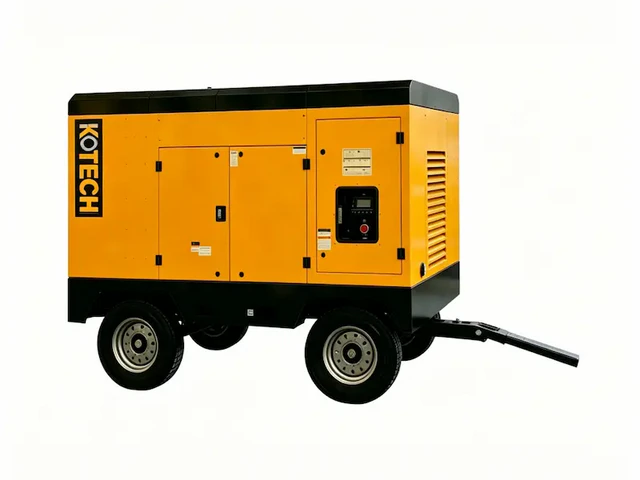
Quieting the Field: Low-Noise Air Compressors as Your Urban O&G Imperative
- Urban O&G demands quiet operations; noise pollution isn’t just a nuisance, it’s a regulatory and community relations liability.
- Advanced low-noise compressor technologies, including acoustic enclosures and VSDs, are critical investments for compliance and operational efficiency.
- Selecting the right low-noise unit requires a deep dive into decibel ratings, maintenance costs, energy consumption, and site-specific environmental factors.
- Proactive noise mitigation strategies extend beyond equipment selection to include layout optimization and vibration isolation, ensuring long-term project viability.
- Ignoring noise concerns leads to costly fines, project delays, and reputational damage, making quiet solutions a non-negotiable for urban O&G.
The Non-Negotiable Reality of Noise in Urban O&G
Operating oil and gas facilities within or near urban centers presents unique challenges, with noise pollution emerging as a primary concern that can critically impact project approval and operational continuity. Investing in low-noise air compressors isn’t just about being a good neighbor; it’s a strategic imperative to navigate stringent environmental regulations and maintain social license to operate. From drilling rigs perched on city fringes to processing plants bordering residential zones, the hum of machinery is under constant scrutiny. This isn’t just about avoiding complaints; it’s about avoiding costly operational shutdowns and safeguarding your company’s reputation.
Why Noise is More Than Just a Nuisance
The fact is, urban sprawl has pushed residential areas closer to traditional industrial sites. This proximity amplifies the impact of operational noise. What was once acceptable in remote locations is now a significant point of contention. Local ordinances, often more stringent than federal guidelines, dictate permissible decibel levels, particularly during night hours. Violations aren’t just a slap on the wrist; they translate into hefty fines, mandated operational adjustments, and sometimes, even project halts.
Our experience shows that community pushback against noise is often the quickest path to project delays. Public perception is a powerful force, and a noisy operation can quickly erode trust and create an adversarial relationship with local stakeholders. This isn’t just about the immediate project either; it sets a precedent for future developments.
Understanding the Regulatory Landscape and Market Shifts
The regulatory environment for industrial noise is tightening globally, and urban areas are at the forefront. The U.S. Environmental Protection Agency (EPA) provides guidelines, but local municipalities often implement stricter codes tailored to their specific urban environments. These codes frequently specify maximum permissible noise levels at property lines, often differentiating between daytime and nighttime operations.
Data-Driven Compliance Pressures
While this isn’t specific to O&G, it underscores the global push for noise reduction and the increasing public awareness of its impact. This trend inevitably trickles down to industrial operations in urban settings. Moreover, a 2023 analysis by Grand View Research projects significant growth in the global industrial noise control market, indicating a clear industry response to these escalating pressures. This isn’t just about compliance; it’s about anticipating future regulations and investing in sustainable practices.
Spending a bit more upfront on quiet equipment invariably saves millions in litigation and retrofitting down the line.
Key Technologies for Low-Noise Air Compression
Achieving low-noise operation isn’t about magic; it’s about smart engineering and selecting the right equipment. Modern air compressors, especially those designed for sensitive environments, incorporate several key technologies to minimize noise output.
Acoustic Enclosures and Vibration Isolation
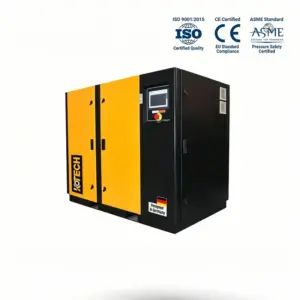
The most visible solution is often a high-quality acoustic enclosure. These aren’t just metal boxes; they’re engineered structures lined with sound-absorbing materials, designed to contain and dissipate noise effectively. A well-designed enclosure can reduce perceived noise levels by 15-20 dB(A) or more. However, the enclosure alone isn’t enough. Vibration is a major contributor to structural noise. Integrated vibration isolation systems, such as spring isolators or rubber mounts, are crucial for preventing mechanical vibrations from transferring to the ground or surrounding structures, which would then radiate as noise.
Variable Speed Drive (VSD) Compressors
Unlike fixed-speed compressors that run at full throttle regardless of demand, VSD units adjust their motor speed to match the air requirement. This means they often operate at lower speeds, significantly reducing noise output during periods of lower demand. This dual benefit makes VSDs a compelling choice for urban O&G.
Advanced Air End Design and Exhaust Silencers
Beyond the motor and enclosure, the compressor’s air end—the heart of the machine—plays a role. Improved rotor profiles and tighter tolerances can reduce aerodynamic noise. Exhaust silencers, specifically engineered to dampen the sound of discharged air, are also critical, especially for reciprocating compressors. These components, while seemingly small, contribute significantly to overall decibel reduction.
Selecting the Right Low-Noise Compressor: A Practical Approach
Choosing the right low-noise air compressor for an urban O&G application requires a comprehensive evaluation, extending beyond just the sticker price.
Decibel Ratings and Site-Specific Needs
The manufacturer’s stated decibel rating is your starting point, but it’s crucial to understand where and how that measurement was taken. Ask for sound power levels (LwA) rather than just sound pressure levels (LpA), as LwA gives a more accurate representation of the total noise output. More importantly, consider your site’s specific requirements. What are the local noise ordinances? How close are the nearest residential areas? Is the noise continuous or intermittent? A compressor rated at 70 dB(A) might be fine for some industrial zones, but completely unacceptable at a residential property line 50 feet away.
Maintenance, Reliability, and Operational Costs
A quiet compressor that constantly breaks down or costs a fortune to maintain defeats the purpose. Evaluate the compressor’s total cost of ownership (TCO). Look at expected maintenance intervals, parts availability, and the service network. Reliable operation is paramount in O&G; downtime is expensive. Energy efficiency, especially with VSD units, can significantly offset a higher initial purchase price over the equipment’s lifespan.
The Boundary Condition: When Ultra-Quiet Isn’t Enough
It’s important to recognize that even the quietest compressor might not be sufficient on its own. If you’re operating directly adjacent to sensitive receptors—say, a hospital or school—even a 60 dB(A) unit might draw complaints. In such extreme cases, supplementary noise mitigation measures are indispensable. This is where site layout, acoustic barriers, and even temporary sound blankets come into play. A low-noise compressor is a foundational step, but it’s not a silver bullet for every scenario.
Beyond Equipment: Comprehensive Noise Mitigation Strategies
Effective noise control in urban O&G extends far beyond just buying a quiet compressor. It requires a holistic approach that considers the entire operational footprint.
Site Layout and Acoustic Barriers
Strategic site planning can dramatically reduce noise impact. Positioning noisy equipment away from property lines and sensitive areas is fundamental. Furthermore, installing physical acoustic barriers, such as sound walls or berms, can block direct line-of-sight sound propagation. These barriers are particularly effective when placed close to the noise source or receptor.
Regular Monitoring and Proactive Maintenance
Noise levels can change over time due to wear and tear. Implementing a regular noise monitoring program with decibel meters allows you to track levels and identify potential issues before they become compliance problems. Proactive maintenance, including checking for loose panels, worn bearings, or degraded acoustic insulation, is crucial for sustaining low-noise performance. A rattling enclosure or a failing muffler can quickly negate the benefits of a low-noise compressor.
Community Engagement and Transparency
Engaging with the local community early and transparently about your noise mitigation efforts can build goodwill and manage expectations. Explaining the technologies you’re employing and having a clear communication channel for concerns can prevent minor issues from escalating into major conflicts.
Conclusion: A Strategic Investment in Urban O&G Viability
For urban oil and gas operations, low-noise air compressors are not an optional upgrade; they are a fundamental requirement for sustainable operation. The convergence of increasingly strict environmental regulations, heightened community awareness, and the economic imperative to avoid costly disruptions makes the investment in quiet technologies a strategic decision. By carefully selecting advanced equipment, implementing comprehensive mitigation strategies, and fostering open community relations, operators can ensure their urban projects remain viable, compliant, and ultimately, profitable.