Optimizing Construction Power with Two-Stage Air Compressors
Modern construction sites demand power, and not just any power—they need consistent, reliable, and efficient compressed air to keep projects moving. Frankly, if you’re still relying on single-stage compressors for anything beyond the most basic tasks, you’re leaving money on the table and inviting operational headaches. Two-stage compressors aren’t just an upgrade; they’re the foundational workhorse for robust construction site operations, ensuring tools run at peak performance while keeping costs in check.
The Unseen Powerhouse: Why Two-Stage Matters on Site
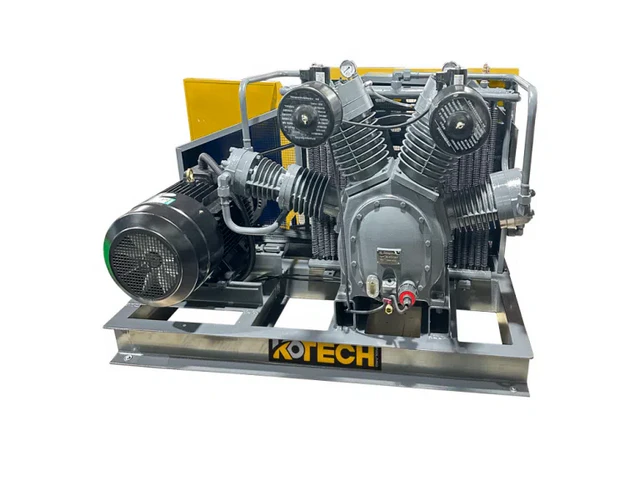
The core advantage of a two-stage air compressor for construction lies in its ability to deliver higher pressure and greater volume (CFM) with significantly improved efficiency. Unlike single-stage units that compress air in one go, two-stage compressors distribute the workload across two cylinders, cooling the air between stages. This process dramatically reduces heat buildup, a primary enemy of efficiency and equipment longevity.
Beyond Simple Pressure: Efficiency Gains
This multi-stage compression isn’t just a technical detail; it translates directly into tangible benefits. By compressing air in two steps, the system achieves a higher volumetric efficiency. What this means for a construction manager is more usable air delivered per unit of power input, whether that’s diesel fuel or electricity. Less heat also means less stress on components, which is a big deal when you’re pushing equipment hard, day in and day out.
Data Speaks: Quantifying the Impact
The numbers don’t lie when it comes to the operational advantages. Construction is a high-stakes industry where every percentage point of efficiency counts.
Within this market, the demand for reliable air power remains constant. While this often refers to stationary plants, the principle applies directly to portable units on a job site: inefficiency means higher fuel costs and a bigger hit to your budget.
Addressing Core Construction Challenges
Construction sites are hotbeds of demanding tasks, from breaking ground to finishing surfaces. Two-stage compressors are purpose-built to tackle these challenges head-on.
Sustained Power for Demanding Tools
Think about the tools that define a construction site: jackhammers, concrete breakers, rock drills, sandblasting equipment, and even some pile drivers. These aren’t tools that tolerate fluctuating air pressure or insufficient CFM. They require a steady, high-volume, high-pressure air supply to operate effectively and safely. A two-stage compressor delivers this consistent power, preventing tool slowdowns, premature wear, and operator fatigue, all of which impact productivity.
Fuel Economy and Operational Costs
For diesel-powered portable compressors, fuel efficiency is a massive operational expenditure. The reduced heat and increased volumetric efficiency of a two-stage system mean it achieves the required output using less fuel. Over the lifespan of a project or equipment, these savings accumulate into significant figures, directly impacting your project’s profitability. In an era of volatile fuel prices, this efficiency isn’t just a nice-to-have; it’s a critical financial lever.
Reliability and Reduced Downtime
Downtime on a construction site is, quite simply, money lost. Every hour a critical piece of equipment is offline can cost thousands of dollars in labor, missed deadlines, and contractual penalties. Because two-stage compressors operate at lower internal temperatures, components like rotors, bearings, and seals experience less thermal stress. This translates to extended service intervals, fewer unexpected breakdowns, and a longer overall operational life for the compressor itself. This enhanced reliability is a cornerstone of efficient site management.
When Single-Stage Just Won't Cut It: The Boundary Conditions
While two-stage compressors are superior for most construction applications, it’s fair to ask if there are scenarios where a single-stage unit might suffice. For small, intermittent tasks like inflating tires, powering a paint sprayer for a brief period, or running very light pneumatic tools, a single-stage compressor might seem like a more cost-effective initial investment.
However, the moment you need continuous airflow, higher pressures (above 100-125 PSI), or sustained power for heavy-duty tools, a single-stage unit quickly becomes a liability. It will run hotter, work harder, consume more fuel relative to output, and ultimately fail faster. Trying to force a single-stage compressor into a demanding role is a classic example of penny-wise and pound-foolish thinking. You’ll spend more on fuel, maintenance, and replacement costs, not to mention the hidden costs of project delays.
Specifying the Right System: Practical Considerations
Choosing the right two-stage compressor involves more than just picking the biggest unit. It requires a thoughtful assessment of your specific site needs.
Matching CFM and PSI to Application
First, accurately calculate the combined CFM (cubic feet per minute) and PSI (pounds per square inch) requirements of all the tools you intend to run simultaneously. Undersizing a compressor leads to poor tool performance, while oversizing wastes fuel and capital.
Maintenance for Longevity
Even the most robust two-stage compressor requires diligent maintenance. Regular oil changes, filter replacements (air, oil, and fuel), and checking for leaks are non-negotiable. Proactive maintenance schedules, often outlined by the manufacturer, are your best defense against unexpected breakdowns.
Portability vs. Fixed Installations
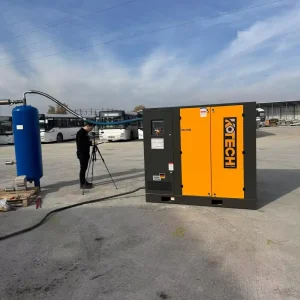
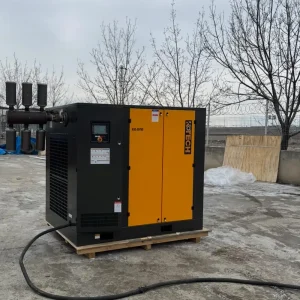
Most construction sites rely on portable, diesel-powered two-stage compressors for their mobility and independence from grid power. Trailer-mounted units are common for their ease of transport between job sites. For very large, long-term projects, or in a fixed fabrication yard, a larger, stationary electric two-stage compressor might be considered for its lower running costs and reduced emissions, assuming power infrastructure is available.
The Future of Site Air: Integration with Smart Tech
The construction industry is rapidly adopting smart technologies, and air compressors are no exception. Modern two-stage units often come equipped with telematics and IoT capabilities, allowing for remote monitoring of fuel levels, run hours, pressure, and maintenance alerts. This data-driven approach enhances predictive maintenance, optimizes scheduling, and further refines fuel consumption, integrating seamlessly into a smarter, more efficient job site ecosystem.