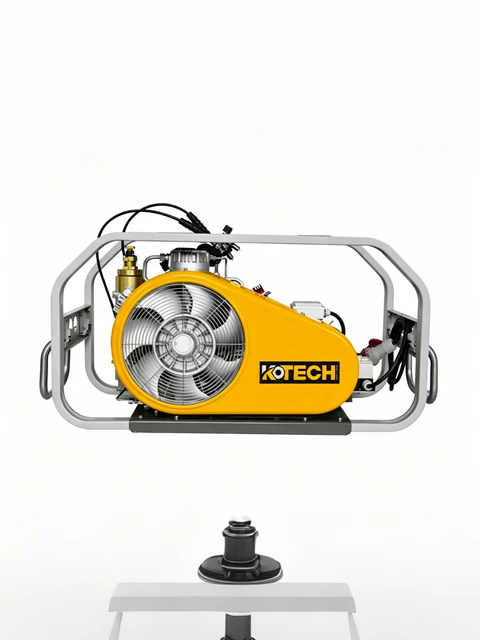
Optimizing Exploration: The Power of Lightweight Mining Air Compressors
Hauling an oversized, fuel-guzzling beast into a remote site isn’t just an inconvenience; it’s a direct hit to your budget, timeline, and team morale. The core conclusion is simple: investing in genuinely lightweight, reliable mining air compressors is no longer optional. It’s a fundamental requirement for efficient, safe, and cost-effective exploration. These specialized units are designed to tackle the unique logistical and operational challenges of off-grid projects, offering a significant competitive edge.
The Undeniable Imperative: Why Lightweight Matters for Exploration
Exploration is inherently about mobility. You’re not setting up a permanent camp; you’re moving from prospect to prospect, often across rugged, undeveloped terrain. Every pound of equipment you bring in costs money—in transport, in fuel, and in labor. Traditional, heavy-duty compressors, designed for stationary or large-scale operations, become immediate bottlenecks. They require specialized vehicles, extensive road preparation, and more personnel to move. This isn’t just about convenience; it directly impacts your ability to reach promising targets quickly and efficiently.
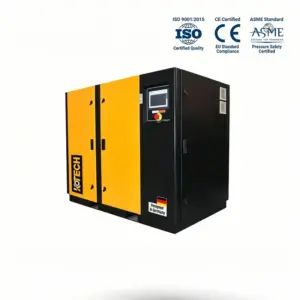
The shift towards specialized lightweight units reflects a deep understanding of these operational realities. We’re talking about compressors designed from the ground up for portability, without sacrificing the necessary CFM and PSI for core drilling, geochemical sampling, or pneumatic tool operation. This focus allows teams to deploy faster, access more challenging locations, and ultimately, gather critical data with greater agility.
Quantifying the Edge: Data-Backed Benefits of Advanced Compressors
The benefits of lightweight, high-performance air compressors for exploration aren’t just theoretical; they translate directly into measurable gains.
While exploration projects might not hit those mega figures, even a few days of delay due to compressor failure in a remote location can derail an entire season, costing hundreds of thousands in lost time, wages, and contracted services. Lightweight, reliable compressors directly mitigate this risk.
Beyond Weight: Key Technologies Driving Performance in Remote Exploration
It’s not just about shedding pounds anymore; it’s about smart engineering. Modern lightweight mining air compressors incorporate several key technologies that make them indispensable for portable teams.
The Rise of Battery-Electric and Hybrid Solutions
This is perhaps the most significant trend. Battery-electric compressors are quieter, produce zero direct emissions, and significantly reduce reliance on diesel fuel logistics. Hybrid models offer a bridge, combining efficient diesel engines with electric motors for peak demand or silent operation periods.
Advanced Materials and Design
Manufacturers are utilizing high-strength, lightweight alloys and composite materials to build robust yet compact frames. This isn’t about making them flimsy; it’s about intelligent design that maximizes strength-to-weight ratios. Modular designs also facilitate easier transport and field repairs, a critical factor when you’re days away from the nearest service center.
IoT and Telematics for Remote Monitoring
The ability to monitor compressor performance, fuel levels, and diagnostic codes remotely is invaluable. Telematics systems can provide real-time data to a central office, enabling predictive maintenance, optimizing operational parameters, and even tracking asset location. This helps prevent breakdowns before they occur, drastically reducing the risk of costly downtime in isolated areas.
Navigating the Trade-offs: When Lightweight Isn’t the Only Answer
While lightweight compressors are transformative for most portable exploration, it’s important to recognize their boundaries. They aren’t a universal panacea. For instance, while a compact electric unit excels for shallow exploration or specific sampling tasks, it simply won’t cut it for deep-hole production drilling requiring thousands of CFM and sustained high pressure. That’s a different beast entirely, often demanding trailer-mounted diesel giants.
Similarly, in extremely cold environments, battery performance can degrade, and the logistics of charging infrastructure might become more complex than managing diesel supply, at least with current technology. It’s crucial to assess your specific project needs, drilling depths, tool requirements, and environmental conditions before making a blanket decision. Only when the operational profile aligns with the capabilities of lightweight units do their benefits truly shine.
Practical Selection & Deployment: What Exploration Teams Need to Know
Choosing the right lightweight mining air compressor involves more than just looking at the spec sheet. Here’s what you need to consider:
Match CFM/PSI to Your Tools
This is fundamental. Understand the air requirements of your core drills, percussion hammers, air-powered pumps, and other pneumatic tools. Undersizing leads to poor performance; oversizing wastes fuel and adds unnecessary weight. Don’t just guess; consult your tool manufacturers’ specifications.
Power Source: Diesel, Battery-Electric, or Hybrid?
Assess your access to fuel, environmental mandates, noise restrictions, and charging infrastructure. Diesel offers extended run times in remote areas but comes with fuel logistics and emissions. Battery-electric is clean and quiet but requires charging solutions. Hybrids offer flexibility.
Reliability and Serviceability
In remote settings, reliability is king. Look for brands with a proven track record in tough conditions. Equally important is ease of maintenance. Can your field technicians perform basic servicing with minimal specialized tools? Are spare parts readily available, or can they be easily shipped?
Transport Logistics
How will you move it? Skid-mounted units are great for truck or helicopter transport. Smaller, wheeled units might be manually movable over short distances. Factor in the weight and dimensions for your existing transport fleet and access roads.
Total Cost of Ownership (TCO)
Beyond the purchase price, consider fuel efficiency, maintenance intervals, expected lifespan, and potential resale value. A cheaper unit upfront might cost you significantly more in fuel, repairs, and downtime over its operational life. Based on our experience, prioritizing TCO nearly always leads to better long-term outcomes.
Future Outlook: The Electrification and Automation of Portable Air
The trajectory for portable mining air compressors is clear: towards greater efficiency, intelligence, and environmental responsibility. We’ll see further integration of AI-driven diagnostics, more robust battery technologies, and potentially even autonomous compressor units capable of self-deployment and monitoring. The goal remains the same: to provide reliable air power with the smallest possible footprint, ensuring exploration teams can focus on what they do best – discovering the future of mining.