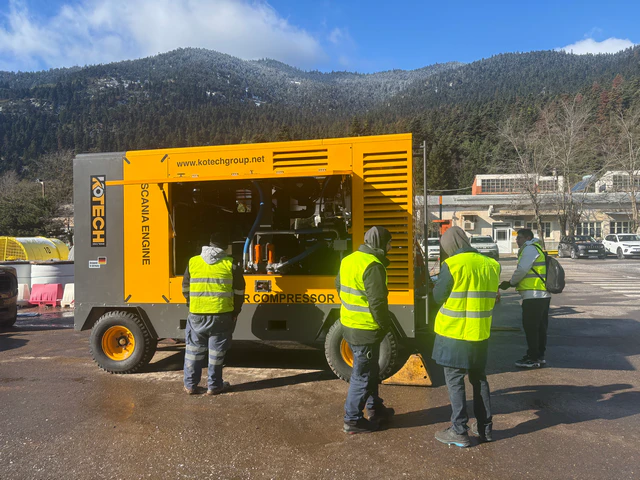
Selecting the Optimal Mining Air Compressor
It’s not just about horsepower; it’s about keeping the lights on, literally, and ensuring every drill bit turns. Get this wrong, and you’re looking at crippling downtime and inflated operating costs.
Here are the Key Insights you need to consider right away:
- Durability is Non-Negotiable: Your compressor must withstand extreme dust, temperature, and humidity.
- Energy Efficiency Drives ROI: High energy consumption is a silent killer of profits in mining; prioritize VSD technology.
- Total Cost of Ownership (TCO) Overrides CAPEX: Initial purchase price is a fraction of the long-term operational expense.
- Compliance & Safety First: MSHA, ATEX, or other regional regulations aren’t suggestions; they’re mandates.
- Serviceability & Support: Downtime in mining is catastrophic; reliable local support is paramount.
Understanding the Harsh Reality of Mining Environments
Mining operations present some of the most challenging conditions imaginable for industrial machinery. We’re talking about abrasive dust, corrosive moisture, extreme temperatures ranging from freezing cold to scorching heat, and constant vibrations. A standard industrial air compressor simply won’t cut it. It needs to be purpose-built, or “mine-spec,” as we often call it.
For instance, dust in a mine isn’t just a nuisance; it’s an engineering problem. Fine particulate matter can quickly clog filters, accelerate wear on moving parts, and even damage internal components of an air system if not adequately addressed. This directly impacts the compressor’s lifespan and maintenance schedule. Humidity is another silent killer, leading to corrosion and moisture contamination in the air supply, which can harm pneumatic tools and processes downstream.
The Financial Impact: Energy Efficiency and TCO
The initial capital expenditure (CAPEX) for a heavy-duty air compressor can be substantial, but it’s often a drop in the bucket compared to its total cost of ownership (TCO) over its operational life.
They adjust motor speed to match air demand, significantly reducing energy waste during periods of fluctuating use.
Investing in a reliable, durable air system with robust maintenance support pays dividends by preventing these costly interruptions.
Sizing Your Compressor: More Than Just CFM
Determining the correct compressor size involves more than a simple calculation of cubic feet per minute (CFM) or free air delivery (FAD). You need to account for all pneumatic tools, drilling equipment, ventilation systems, and any other air-driven processes. But don’t just add them up; consider their simultaneous usage patterns. Oversizing leads to inefficient “blow-off” or frequent load/unload cycling, wasting energy. Undersizing, conversely, results in pressure drops, reduced tool performance, and potential equipment damage.
Think about peak demand versus average demand. A good practice is to conduct a thorough air audit of your existing system, if applicable, or a detailed demand assessment for new installations. This should also factor in potential future expansion.
Essential Features for Mine-Spec Compressors
When evaluating different industrial air compressors for mining, look for specific features that address the unique challenges of the environment:
- Heavy-Duty Filtration Systems: Multi-stage air intake filters are crucial to protect internal components from abrasive dust.
- Robust Cooling Systems: Designed to operate efficiently in high ambient temperatures, often with oversized coolers.
- Corrosion-Resistant Materials: Use of stainless steel or specially coated components to combat moisture and corrosive elements.
- Sealed Enclosures: To prevent ingress of dust, moisture, and debris into sensitive electrical and mechanical parts.
- Advanced Monitoring & Controls: Remote monitoring capabilities allow for predictive maintenance and early fault detection, minimizing unexpected downtime.
- Safety Compliance: MSHA (Mine Safety and Health Administration) approval in the US, ATEX certification for explosive atmospheres in Europe, and other regional standards are absolute must-haves.
Diesel vs. Electric: Powering Your Operation
The choice between diesel-driven and electric air compressors often boils down to mobility, access to power, and long-term operating costs.
- Diesel Compressors: Offer unparalleled mobility, ideal for surface mining, exploration, or remote sites without grid access. They are quick to deploy and can handle variable workloads. However, they come with higher fuel costs, increased emissions, and more intensive maintenance requirements (e.g., fuel filters, oil changes).
- Electric Compressors: Are generally more energy-efficient and quieter, with lower emissions and reduced maintenance. They are perfect for fixed installations, underground operations with established power infrastructure, or sites where environmental regulations are stringent. The main limitation is the need for a reliable power source and the infrastructure to support it.
This trend increasingly favors electric options where feasible, especially with the rise of renewable energy integration in mining.
The Role of Aftermarket Support and Service
This is where the rubber meets the road. When evaluating vendors, look for:
- Local Service Network: Proximity means faster response times.
- Parts Availability: A well-stocked local inventory of genuine parts is crucial.
- Trained Technicians: Expertise in mine-spec equipment is different from general industrial compressors.
- Preventative Maintenance Programs: Proactive servicing extends lifespan and prevents costly breakdowns.
This doesn’t apply to every small-scale, short-term operation where a rental might suffice, but for any significant, long-term mining project, robust aftermarket support is non-negotiable.
Conclusion: Strategic Investment, Not Just a Purchase
Choosing the right mining air compressor is a strategic decision that profoundly impacts operational efficiency, safety, and your bottom line. Look beyond the initial price tag and focus on total cost of ownership, energy efficiency, environmental resilience, and the strength of aftermarket support. A well-chosen, mine-spec air system is a long-term asset that ensures reliable power for your critical operations, day in and day out.