Choosing the Right Air Compressor for Your Mining Operation
Key Insights:
- Diesel compressors remain indispensable for remote mining sites due to unmatched portability and independence from grid power.
- Electric compressors offer significant operational savings and align with sustainability goals, especially where grid power is stable.
- Hybrid solutions are emerging as a sweet spot, balancing flexibility with efficiency for varied mining tasks.
- Total Cost of Ownership (TCO), not just upfront price, must drive procurement decisions for long-term site viability.
- Predictive maintenance and IoT integration are crucial for minimizing downtime in harsh mining environments.
Why Your Air Compressor Choice Defines Mining Site Success: The Core Challenge
In mining, reliable compressed air isn’t just a utility; it’s the lifeblood of operations. From powering pneumatic tools and drilling rigs to crucial ventilation systems, any hiccup directly translates to lost productivity and exorbitant costs. The fundamental decision—diesel or electric air compressor solutions for mining sites—isn’t trivial. It dictates your operational flexibility, energy expenditure, and environmental footprint. Getting this right from the start is non-negotiable for consistent output and profitability.
The Shifting Landscape: Data-Backed Decisions in Mining Air Compression
The mining sector is under immense pressure to optimize and decarbonize. This isn’t just talk; it’s reflected in hard numbers. This dual pressure—increased output and reduced energy intensity—forces a critical look at how we power our sites. The shift towards electrification in heavy equipment, including compressors, is no longer a niche trend; it’s a strategic imperative for many major players.
Diesel Power: Unrivaled Autonomy for Remote Operations
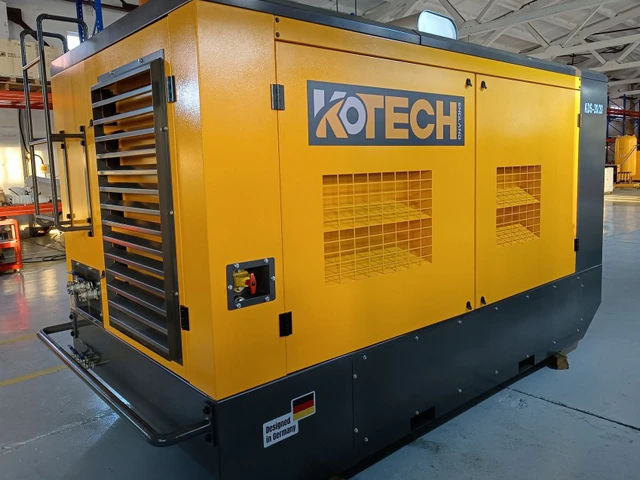
For decades, diesel air compressors have been the workhorses of the mining industry, and for good reason. Their self-contained power source offers unparalleled mobility and independence, making them ideal for exploration, remote drilling, and temporary setups where grid power is nonexistent or unreliable. You simply fuel them up, and they run. This autonomy means operations can proceed in the most isolated locations, a common scenario in mining. Modern diesel units feature advanced engines that comply with stricter emission standards (like Tier 4 Final), offering better fuel efficiency than their predecessors. They are built tough, designed to withstand the dust, extreme temperatures, and vibrations inherent in a mining environment.
Electric Advantages: Efficiency, Sustainability, and Operational Savings
Where stable grid power or robust on-site renewable energy sources are available, electric air compressors present a compelling alternative. Their primary advantage lies in significantly lower operating costs due to cheaper electricity compared to diesel fuel, coupled with higher energy efficiency. Beyond the financial benefits, electric units produce zero direct emissions at the point of use, aligning perfectly with corporate sustainability goals and increasing regulatory scrutiny. Noise reduction is another major plus, improving worker safety and environmental compliance.
Hybrid & Smart Solutions: Bridging the Gap, Maximizing Uptime
The industry isn’t just choosing one or the other. Hybrid air compressor solutions are gaining traction, combining the flexibility of diesel with the efficiency of electric. These units can switch between power sources based on availability and demand, offering the best of both worlds. Imagine starting a drill rig with diesel power in a new cut, then switching to grid power once infrastructure is established. Furthermore, the integration of IoT and predictive maintenance is transforming compressor management. Sensors monitor performance, temperature, and pressure in real-time, feeding data to AI-driven platforms. This allows for proactive servicing, identifying potential failures before they cause costly downtime.
When Diesel Isn’t Best: Understanding Site-Specific Limitations
While diesel compressors are robust, they aren’t a universal solution. Their suitability diminishes significantly in enclosed or underground mining operations where exhaust fumes pose severe health and safety risks. Ventilation requirements become excessively complex and expensive. Moreover, in areas with strict environmental regulations or proximity to residential zones, the noise and emissions from diesel units can lead to compliance issues and community complaints. Only when robust ventilation or specific surface operations are the primary concern, does diesel truly shine.
Implementing Your Strategy: Actionable Steps for Compressor Selection
Choosing the right air compressor for your mining site requires a systematic approach. First, conduct a thorough energy audit and demand analysis. Understand your actual CFM (Cubic Feet per Minute) and PSI (Pounds per Square Inch) requirements across different operations. Second, assess your power infrastructure. Is reliable grid power available? What are the costs? Are there opportunities for on-site renewables? Third, evaluate the environmental impact and regulatory landscape. What are the local emission standards? What are your company’s sustainability targets? Finally, always consider the Total Cost of Ownership (TCO), which includes purchase price, fuel/electricity costs, maintenance, parts, and potential downtime. A cheaper upfront unit can quickly become a financial black hole if it’s inefficient or prone to breakdowns.
Future-Proofing Your Mining Operations: Beyond Today’s Compressor
The mining industry is not static; neither should your equipment strategy be. Looking ahead, the push for fully electric mines and automated operations will continue to accelerate. This means investing in compressors that are not only efficient but also smart and integrate seamlessly into broader digital ecosystems. Consider suppliers who offer comprehensive service contracts, remote monitoring capabilities, and training for your on-site teams. The longevity and adaptability of your air compression system will be key determinants of long-term operational success. Investing in modular systems that can scale with your mine’s expansion is also a smart move, preventing costly overhauls down the line.
Navigating Procurement: Key Considerations for ROI
When engaging with vendors, don’t just ask for a price list. Demand detailed breakdowns of expected operational costs, energy efficiency ratings (e.g., specific power consumption), and maintenance schedules. Inquire about warranty terms, local service availability, and spare parts inventory. For large-scale projects, explore options for leasing or rental-to-own agreements, which can manage initial capital expenditure. Always request case studies or references from similar mining operations. Procurement isn’t just about buying; it’s about securing a partnership that ensures maximum uptime and a healthy return on investment for your mining site.