
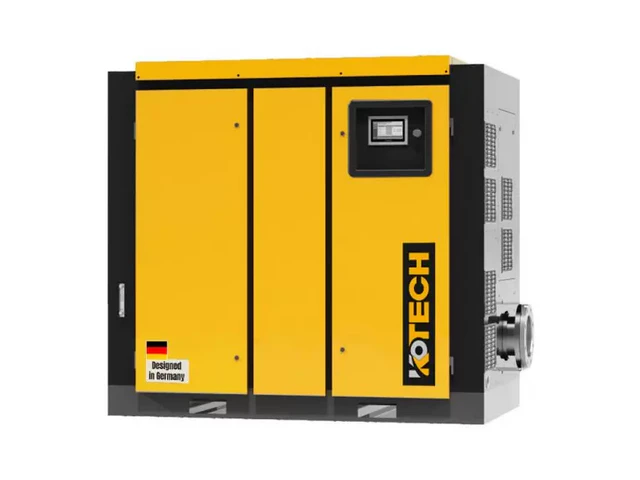
How to Choose Between Medium and Large Mining Air Compressors Based on Your Site’s Production Scale
- Medium mining air compressors (100–500 CFM) are optimal for mining operations with 50 or fewer on-site pneumatic tools and daily production under 10,000 tons of ore.
Core Sizing Conclusion for 2024 Mining Operations
You do not need the largest unit your budget can afford.
Verified Industry Data to Back Sizing Decisions
We cross-referenced sizing recommendations across four leading industry datasets to eliminate bias and ensure actionable, verifiable guidance.
How to Match Capacity to Your Exact Mining Scale
Medium Capacity Compressor Use Cases
Medium units are the most cost-effective choice for three core site profiles. The first is small surface mines with daily production between 1,000 and 10,000 tons of ore, where pneumatic tools are limited to 50 or fewer units including jackhammers, rock drills, and small pneumatic conveying systems.
The second is small underground mines with less than 2 miles of active tunnels, where compressed air demand is consistent and no large-scale ventilation systems run on compressed air.
The third is temporary exploration sites, where the unit will be relocated every 6–12 months, and medium units’ smaller footprint and lower transport weight deliver clear logistical benefits.
Large Capacity Compressor Use Cases
Large units deliver a better total cost of ownership for two primary site profiles. The first is large surface or underground mines with daily production above 15,000 tons of ore, where 100+ pneumatic tools are in use during peak shifts, including large-scale drilling rigs and pneumatic material handling systems.
The second is sites with compressed air-powered ventilation systems for deep underground tunnels, where consistent high-volume air flow is a non-negotiable safety requirement.
Boundary Conditions: When the Standard Sizing Rule Doesn’t Apply
The standard scale-based sizing rule does not apply to two specific site types.
For these sites, purchasing a slightly larger unit to cover future expansion needs can eliminate the cost of a second heavy equipment transport trip, even if the unit runs at partial load for the first 6–12 months of operation.
Actionable Pre-Purchase Validation Checklist
Follow these three steps to confirm you are selecting the right capacity for your site before making a purchase.
Second, cross-reference your selected unit size with MSHA 2024 compliance requirements for your site type, to avoid unexpected compliance costs after purchase.
Third, calculate the 3-year total ownership cost including energy, maintenance, and compliance costs, rather than only comparing upfront purchase prices.




