Cutting Costs, Boosting Uptime: Smart Air Compressor Strategies for Remote Mines
The Imperative for Cost-Effective Air Compression in Remote Mining
Operating a mine in a remote location introduces a unique set of complexities that directly impact the bottom line. From exorbitant logistics to unreliable power grids and the scarcity of skilled technicians, every piece of equipment needs to pull its weight without breaking the bank. Air compressors, often the unsung heroes of many mining processes—powering drills, pneumatic tools, and ventilation systems—are no exception. The core challenge is to ensure uninterrupted, efficient air supply while aggressively managing capital and operational expenditures.
Understanding the Remote Site Challenge: More Than Just Distance
Distance isn’t just a number when it comes to remote mining; it’s a multiplier for every operational expense. Think about it: transporting heavy machinery, spare parts, and fuel to a site hundreds of miles from the nearest town is a logistical nightmare. Once there, power generation often relies on expensive, carbon-intensive diesel generators. Maintenance becomes a specialist expedition, with technicians flying in, often from thousands of miles away. These factors collectively inflate the cost of every cubic foot of compressed air produced.
The True Cost of Downtime in Isolated Environments
In a remote mine, equipment failure isn’t just an inconvenience; it’s a financial catastrophe. A single compressor breakdown can halt critical operations, leading to lost production, missed targets, and significant revenue loss. The cost of emergency repairs, expedited part shipments, and specialist travel quickly eclipses any initial savings made on cheaper, less reliable equipment. The ripple effect across the entire value chain is substantial.
Data-Driven Decisions: Why Efficiency Matters More Than Ever
The mining sector is under increasing pressure to optimize operations and reduce environmental impact. Energy consumption is a major focus. This highlights a clear opportunity for savings.
Moreover, a 2022 Deloitte study on remote operations highlighted that logistics and maintenance expenses for critical equipment can be 2-3 times higher than urban equivalents. This isn’t just about the equipment itself; it’s about the entire support infrastructure required to keep it running. Investing in robust, efficient, and easily maintainable air compressor solutions isn’t just a good idea; it’s an economic imperative.
Strategic Approaches to Cost-Effective Air Compression
Achieving cost-effectiveness in remote mining air compression requires a multi-faceted approach, balancing upfront investment with long-term operational savings and reliability.
Modular and Containerized Compressor Units
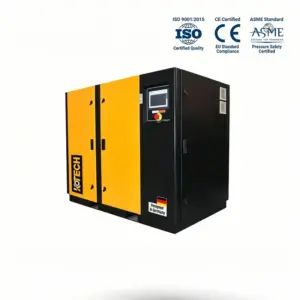
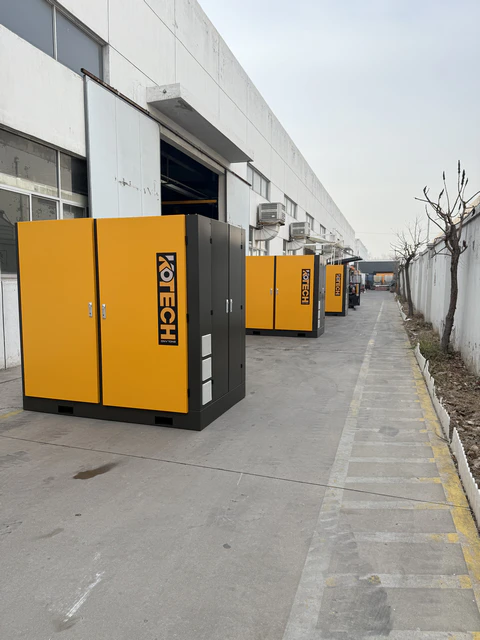
Modular, often containerized, air compressor systems arrive as fully integrated, plug-and-play units. They eliminate the need for extensive on-site construction, significantly reducing labor costs and installation time. Their robust design makes them suitable for harsh mining environments and simplifies transport. Think about it: a single lift and connection versus weeks of assembly. This approach also allows for easier scalability, adding or removing units as operational demands change.
Hybrid and Electric-Driven Systems
While traditional diesel-powered compressors offer mobility, their fuel consumption and emissions are major drawbacks. Hybrid systems, combining diesel with electric power, or fully electric-driven solutions, especially when paired with on-site renewable energy sources (solar, wind), offer substantial long-term savings. The initial investment in electrical infrastructure or renewable integration might be higher, but the reduced fuel costs and lower maintenance requirements often provide a compelling return. However, this strategy is only truly viable when a stable power grid connection is available or when the mine has a robust, reliable renewable energy generation system in place.
Advanced Maintenance & Remote Monitoring
For remote operations, proactive maintenance is paramount. Implementing Internet of Things (IoT) sensors and remote monitoring platforms allows for real-time tracking of compressor performance, pressure, temperature, vibration, and energy consumption. This data enables predictive maintenance, identifying potential issues before they lead to costly breakdowns. This significantly reduces the need for emergency call-outs and allows for scheduled maintenance during planned downtime, optimizing resource allocation. In our experience, this is where most mines fall short, relying on reactive fixes rather than preventative strategies.
Right-Sizing and Variable Speed Drives (VSD)
Matching compressor capacity precisely to demand is critical. Oversized compressors waste energy by cycling on and off or running inefficiently at partial load. Variable Speed Drive (VSD) technology is a must-have for fluctuating air demand. VSD compressors adjust their motor speed to match the required airflow, consuming only the energy needed.
Rental and Lease Options
For projects with uncertain timelines, fluctuating demand, or limited capital expenditure budgets, exploring rental or lease agreements for industrial air compressors can be a smart move. This shifts the burden of maintenance and major repairs to the supplier and allows for greater flexibility. It may not be suitable for long-term, high-utilization core operations where full ownership offers better TCO, but for exploration phases or temporary expansions, it’s a robust solution.
Implementing a Resilient Compressor Strategy
Putting these strategies into practice requires careful planning and a holistic view of your operation.
Comprehensive Site Assessment and Demand Analysis
Before any purchase or deployment, conduct a thorough assessment of your site’s specific needs. What are the peak and average air demands (SCFM)? What pressure (psi) is required? What are the environmental conditions (temperature, altitude, dust)? Understanding these parameters is the foundational step to selecting the right compressor technology and size.
Strategic Supplier Partnerships and Local Support
A reliable supplier is more than just a vendor; they’re a partner. Look for manufacturers with a proven track record in remote mining, offering robust equipment, comprehensive spare parts availability, and, crucially, strong technical support. Even if local support isn’t “local” in the traditional sense, a supplier with a well-established service network and remote diagnostic capabilities is invaluable.
Training and Skill Development for On-Site Teams
Empowering your on-site personnel with the knowledge to perform routine maintenance and basic troubleshooting is vital. This reduces reliance on external technicians and speeds up response times for minor issues, preventing them from escalating into major problems. Investing in training pays dividends in uptime and operational independence.
Reflecting on Real-World Outcomes
By integrating these cost-effective strategies, mining operations can transform their air compression systems from a significant operational drain into a reliable, efficient asset. The initial planning and investment in smarter technology and proactive maintenance protocols yield substantial returns through reduced energy consumption, minimized downtime, and lower overall operational costs. The goal isn’t just to save money; it’s to build a more resilient and sustainable mining operation capable of thriving in the toughest conditions.