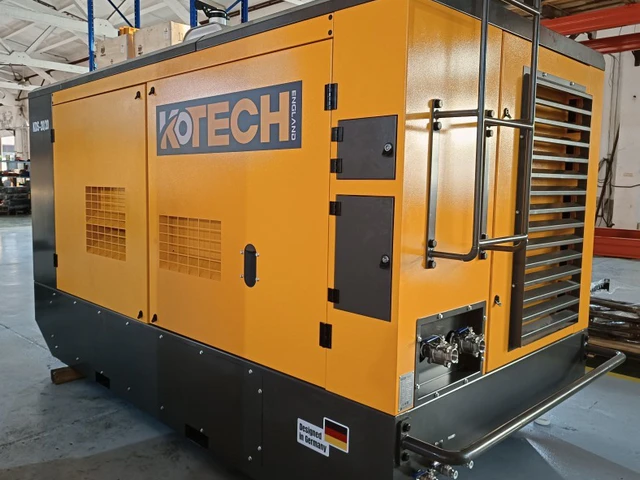
Optimizing Mining Operations with Smart Air Compressor Technology
Mining Air Compressor Solutions to Boost Productivity & Safety
Here are the key insights for modern mining operations:
- Reliability Equals Uptime: Robust, purpose-built compressors with advanced filtration and cooling are essential to minimize costly downtime in harsh mining conditions.
- Safety Standards are Non-Negotiable: MSHA-compliant and explosion-proof (ATEX-certified) systems are critical, reducing risks from dust, gas, and extreme temperatures.
- Smart Monitoring Transforms Maintenance: Predictive analytics and remote diagnostics extend equipment lifespan and shift maintenance from reactive to proactive, preventing failures.
- Total Cost of Ownership (TCO) is the Metric: Focus beyond initial purchase price to consider energy, maintenance, and potential downtime costs over the compressor’s lifecycle.
Optimizing air compressor systems is no longer a luxury but a critical imperative for modern mining operations, directly impacting both operational efficiency and worker well-being. The stakes are incredibly high, and the choice of your compressed air infrastructure deserves meticulous attention.
The Unseen Powerhouse: Why Compressed Air Matters More Than Ever
Compressed air is often dubbed the “fourth utility” in mining, powering everything from pneumatic drills and rock breakers to ventilation systems and material handling. Its ubiquitous presence means that any inefficiency or failure ripples through the entire operation. In a sector where every minute of downtime can cost tens of thousands of dollars, ensuring a stable, efficient, and safe supply of compressed air is fundamental to maintaining competitive advantage and meeting production targets. We’re not just talking about power; we’re talking about precision, control, and resilience in extreme conditions.
Real-World Impact: Data Driving Our Decisions
The shift towards smarter, more robust compressed air solutions isn’t just theory; it’s backed by hard numbers.
This clearly highlights the immense potential for energy savings.
For a large-scale operation, that translates into millions of dollars annually that can be reinvested into other critical areas or directly impact the bottom line. These aren’t marginal gains; these are transformative savings that demand attention from CFOs and operations managers alike.
Beyond the Basics: Advanced Solutions for Modern Mines
The modern mining landscape requires more than just a standard industrial compressor. It demands specialized, heavy-duty air systems designed to withstand corrosive environments, extreme temperatures, high dust loads, and continuous operation.
Energy Efficiency: Cutting Costs, Not Corners
The biggest win here is undoubtedly the VSD compressor. Unlike fixed-speed units that run at full capacity regardless of demand, VSD technology adjusts motor speed to match air demand, dramatically reducing wasted energy. Beyond VSDs, look into smart controllers that optimize multiple compressors, heat recovery systems that repurpose waste heat for other applications (like heating facilities), and advanced air treatment that minimizes pressure drop. These aren’t just “nice-to-haves” anymore; they’re essential components of a sustainable and profitable operation.
Robustness & Reliability: Built for the Extremes
Mining environments are brutal. Dust, moisture, vibrations, and corrosive agents can quickly degrade standard equipment.
- Heavy-Duty Construction: Compressors for mining need reinforced enclosures, robust cooling systems, and specialized filtration to protect internal components.
- Advanced Filtration: Multi-stage filtration systems are crucial to prevent fine particulate matter from entering the air stream, which can damage downstream tools and contaminate product.
- Corrosion Resistance: Materials and coatings must resist the corrosive effects of chemicals and high humidity often found in underground mines.
In our experience, investing in purpose-built, heavy-duty industrial air compressors upfront drastically reduces unexpected breakdowns and extends the operational lifespan, ultimately lowering the total cost of ownership.
Safety First: Protecting Your Most Valuable Assets
Safety is paramount, and compressed air systems play a critical role.
- MSHA Compliance: For U.S. operations, strict adherence to Mine Safety and Health Administration (MSHA) regulations is non-negotiable. This includes requirements for electrical components, ventilation, and emergency shutdown systems.
- Explosion-Proof (ATEX) Certification: In environments with flammable gases or combustible dust (common in coal mines or certain ore processing), ATEX-certified or explosion-proof compressors are mandatory to prevent ignition sources.
- Air Quality: Ensuring clean, dry air prevents contamination of breathing air systems and pneumatic tools, which can otherwise lead to equipment malfunction or health risks.
- Noise Reduction: High noise levels contribute to worker fatigue and hearing damage. Modern compressors often feature advanced sound attenuation enclosures, improving the working environment.
On the flip side, skimping on these safety features isn’t just a regulatory risk; it’s a moral failure that can have devastating consequences.
Smart Monitoring & Predictive Maintenance: The Proactive Edge
Modern mining air compressor solutions integrate sensors and connectivity for real-time data collection.
- Remote Monitoring: Operators can track performance metrics, pressure, temperature, and energy consumption from a control room or even off-site. This is particularly valuable for remote mining locations.
- Predictive Analytics: AI-driven algorithms analyze data to predict potential failures before they occur, allowing for scheduled maintenance during planned downtime, rather than reactive, costly emergency repairs.
- Automated Alerts: Systems can send automated alerts to maintenance teams when parameters deviate from norms, enabling immediate intervention.
This proactive approach significantly reduces unplanned downtime, extends equipment life, and optimizes maintenance schedules, turning potential crises into manageable tasks.
When Standard Won’t Cut It: Niche Applications & Considerations
While many general principles apply, specific mining applications require tailored solutions. For instance, a compressor suitable for surface mining operations in a dry, open-pit environment might be completely inadequate for a deep underground mine with high humidity and potential methane pockets.
Boundary conditions are crucial here: standard rotary screw compressors, while versatile, might not be the optimal choice for extremely high-pressure applications or those requiring absolutely oil-free air for sensitive processes (like certain chemical extractions). In these cases, specialized reciprocating or centrifugal compressors, perhaps even oil-free variants, become necessary. Similarly, mobile compressed air solutions are vital for exploration and early-stage mine development, where fixed infrastructure isn’t yet in place. These units need to be exceptionally rugged and capable of operating independently. Only when the specific environmental factors, air quality requirements, and pressure/flow demands are thoroughly assessed can the truly “right” solution be identified.
Implementing a Winning Compressed Air Strategy
Developing an effective compressed air strategy requires a holistic approach, moving beyond simply buying the cheapest unit.
- Conduct a Comprehensive Air Audit: Understand your current air demand, pressure requirements, leak points, and energy consumption. This data is the foundation for any optimization effort.
- Right-Size Your System: Don’t over-spec or under-spec. An oversized compressor wastes energy; an undersized one struggles to meet demand.
- Invest in Quality Air Treatment: Dryers, filters, and condensate management systems are essential to protect downstream equipment and ensure air quality.
- Prioritize Preventative Maintenance: Implement a robust maintenance schedule based on manufacturer recommendations and predictive analytics. Regular checks and timely part replacements save money in the long run.
- Consider a Service Partner: For complex systems, a reputable service provider can offer expertise in installation, maintenance, and optimization, ensuring peak performance and compliance.
The goal isn’t just to install a compressor; it’s to integrate a reliable, efficient, and safe compressed air ecosystem that supports and enhances your entire mining operation.