Heavy-Duty Diesel Air Compressor for Jackhammers: Power, Efficiency & Use
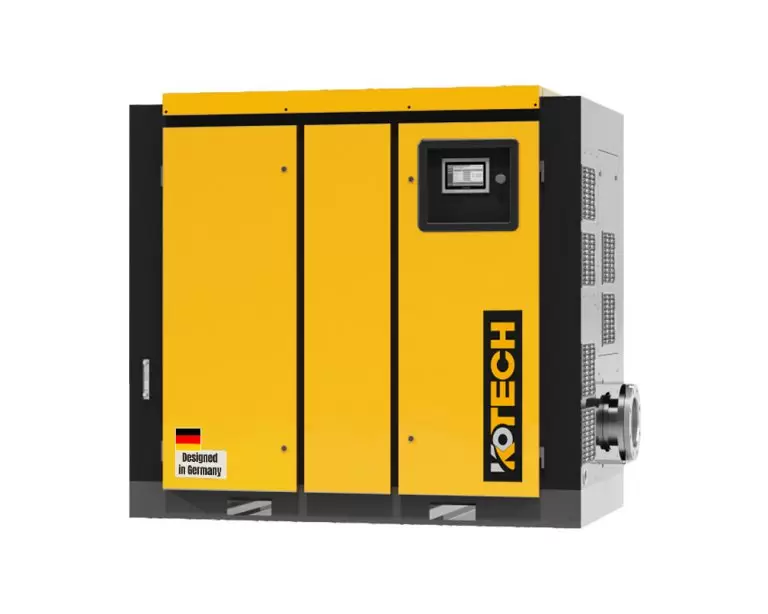
A heavy-duty diesel air compressor for a jackhammer is a robust, self-contained pneumatic power source specifically engineered to operate high-impact pneumatic tools in demanding environments. This critical equipment ensures that jackhammers, crucial for breaking concrete, asphalt, and rock, receive a consistent and powerful air supply, enabling efficient material removal and site preparation in the construction and demolition sectors. The significance of these diesel-powered units lies in their unparalleled mobility and independence from fixed power grids. In vast construction sites, remote infrastructure projects, or emergency roadwork scenarios where electrical access is either non-existent or impractical, the heavy-duty diesel air compressor provides the necessary autonomy to maintain operational momentum without interruption, directly influencing project timelines and labor efficiency. This specialized compressor system primarily solves the pervasive problem of power availability and consistent tool performance in off-grid or rapidly changing work environments. By delivering high-volume, high-pressure compressed air, it ensures that jackhammers can exert their maximum force, preventing slowdowns due to inadequate air supply and ultimately enhancing the speed and effectiveness of demolition and excavation tasks. From a framework perspective, it represents a foundational component for productive pneumatic tool operation in the toughest conditions. Given the critical role these machines play, a deep understanding of their design, operational characteristics, and strategic deployment is essential for any professional involved in heavy civil engineering, road maintenance, or large-scale demolition projects. This article will dissect the core aspects that define the efficiency and reliability of heavy-duty diesel air compressors when paired with jackhammers.
The Engineering Core: Dissecting the Heavy Duty Diesel Air Compressor
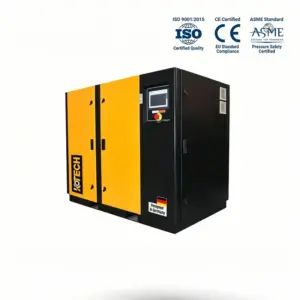
Based on structural analysis, the heavy-duty diesel air compressor is a sophisticated integration of several key components designed for resilience and sustained output. At its heart lies a powerful, often liquid-cooled, industrial-grade diesel engine, which drives a positive displacement air compressor unit. Rotary screw compressors are predominantly favored in heavy-duty applications due to their continuous, pulsation-free air delivery and high volumetric efficiency, capable of producing large volumes of compressed air (measured in CFM – cubic feet per minute) at high pressures (PSI – pounds per square inch) necessary for heavy jackhammer operation.
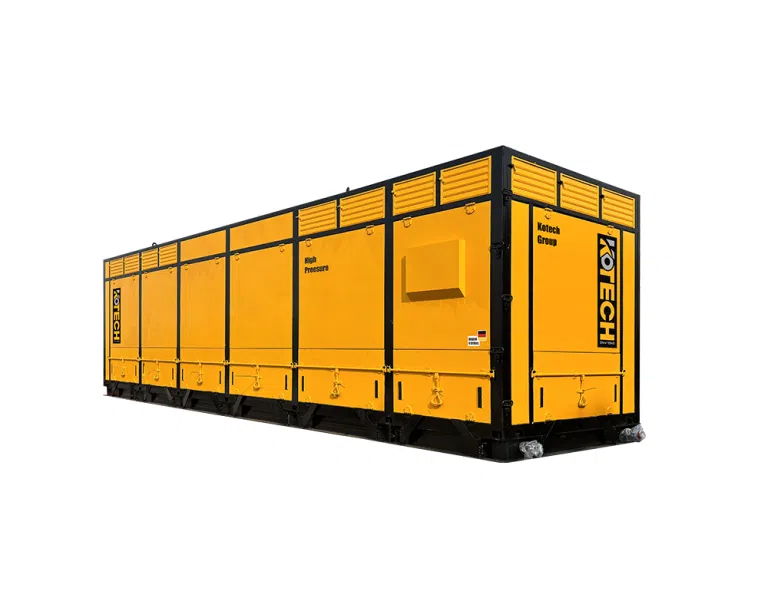
From a framework perspective, the diesel engine provides the raw mechanical power, which is then converted by the air end (the compressor unit) into pneumatic energy. This conversion process is meticulously engineered to minimize energy loss and maximize air output, ensuring that the jackhammer receives the precise flow and pressure it needs to function optimally. Robust cooling systems, advanced air filtration to protect both the compressor and downstream tools, and heavy-gauge steel enclosures for sound attenuation and weather protection are all integral parts of this design, emphasizing durability and longevity in harsh conditions.
Key specifications for these units often include a Free Air Delivery (FAD) rating ranging from 70 to over 300 CFM, with operating pressures typically between 90 to 125 PSI. Engine power can vary significantly, dictating the compressor’s capacity, while fuel efficiency, measured in gallons per hour, is a critical operational consideration for long-duration tasks. The overall design prioritizes ease of maintenance, with accessible service points for oil changes, filter replacements, and general inspections, crucial for minimizing downtime in the field.
Operational Dynamics: Powering Pneumatic Jackhammers
In practical application, the relationship between a diesel air compressor’s output and a pneumatic jackhammer’s performance is direct and critical. A jackhammer’s effectiveness, measured by its breaking force and material removal rate, is profoundly dependent on receiving a continuous and adequate supply of compressed air at its specified CFM and PSI. Under-powering a jackhammer with insufficient air flow leads to reduced impact force, slower work, and increased operator fatigue, directly impacting project efficiency and labor costs.
The operational dynamics also encompass the sustained performance requirements of both units. Heavy-duty diesel compressors are built for continuous, arduous duty cycles, often running for many hours without interruption. This demands robust engine components, efficient thermal management, and oversized fuel tanks to support prolonged operation. Simultaneously, the pneumatic jackhammer must be designed to withstand constant high-frequency impacts, relying on internal lubrication and durable alloys to maintain its mechanical integrity under extreme stress.
Critical to this dynamic is the integrity of the air delivery system, including hoses, fittings, and quick couplers. Leaks or restrictions in this system can significantly diminish the effective air pressure and volume reaching the jackhammer, negating the compressor’s power. Therefore, proper hose sizing, high-quality, leak-proof connections, and regular inspection of air lines are paramount to ensure maximum power transmission from the compressor to the tool, optimizing the overall efficiency of the demolition task.
Strategic Deployment: Implementing Diesel Air Compressors on Site
The strategic deployment of a heavy-duty diesel air compressor for jackhammer operation begins with a thorough site assessment and appropriate compressor selection. This involves evaluating the specific jackhammer requirements (CFM and PSI), the scale of the demolition task, the duration of work, and environmental factors such as terrain and accessibility. Choosing a compressor with adequate output and considering factors like noise emissions and footprint is crucial for optimal site integration and operational safety.
Once selected, proper positioning and setup are critical. The compressor should be placed on firm, level ground, ideally away from congested areas but within a practical hose length of the work zone to minimize pressure drop. The wheels should be chocked, and the tow bar secured if applicable, to prevent movement during operation. Connecting the jackhammer involves ensuring all air hoses are free of kinks or damage, and that all quick-connect fittings are securely locked to prevent air leaks and accidental disconnections, which can be hazardous.
The operational protocol involves several key steps: checking fuel and oil levels, inspecting air filters, and verifying emergency stop functionality before starting. Once the compressor is running and has reached its operating pressure, the air supply to the jackhammer can be opened. Operators must wear appropriate personal protective equipment (PPE), including hearing protection, eye protection, and gloves. Monitoring the compressor’s gauges for pressure and temperature, and regularly checking for any unusual noises or leaks, ensures safe and efficient continuous operation, reflecting a professional approach to equipment management.
Comparative Efficacy: Diesel vs. Electric and Hydraulic Systems
When evaluating power sources for jackhammers, heavy-duty diesel air compressors offer distinct advantages and disadvantages compared to electric and hydraulic systems, particularly in the construction and demolition industry. From a complexity standpoint, diesel compressors are moderately complex, integrating an engine, compressor, and associated controls, demanding regular fuel and engine maintenance. Electric compressors are generally simpler, relying on electric motors and requiring less engine-specific upkeep, while hydraulic power packs, though highly powerful, are often more complex due to their fluid dynamics and high-pressure systems.
Regarding efficiency, diesel units provide excellent mobility and power independence, making them highly efficient for remote or large-area tasks where electricity is scarce, albeit with ongoing fuel consumption and exhaust emissions. Electric compressors boast high energy efficiency and zero emissions at the point of use, making them ideal for indoor or urban environments, but are constrained by power source availability. Hydraulic systems offer superior power density and efficiency for extremely demanding tasks, but often come with higher initial costs and specialized maintenance requirements, limiting their widespread use for standalone jackhammers.
Cost is another crucial differentiator. Diesel compressors typically have a higher upfront purchase cost and ongoing fuel expenses, balanced by their versatility. Electric compressors often have lower initial costs, but their operational cost depends on electricity rates and the availability of suitable power. Hydraulic systems generally represent the highest initial investment, though their operational efficiency for specific heavy-duty applications can justify the cost. In terms of frequency of use, diesel compressors are the go-to for most outdoor demolition, roadwork, and remote construction due to their robust power and self-sufficiency, while electric units are favored for indoor renovation or sites with reliable power infrastructure, and hydraulics are reserved for highly specialized, heavy-duty machinery attachments rather than handheld jackhammers.
Mitigating Risks: Common Pitfalls and Professional Solutions
One frequent mistake in utilizing heavy-duty diesel air compressors for jackhammers is selecting a unit with insufficient CFM or PSI output relative to the jackhammer’s requirements. This often leads to underperforming tools, prolonged task durations, and accelerated wear on both the compressor and the jackhammer. A professional solution involves diligently consulting the jackhammer manufacturer’s specifications for optimal air flow and pressure, then cross-referencing these with compressor datasheets to ensure a compatible and powerful match, erring on the side of slightly over-specifying the compressor’s capacity to account for hose losses and sustained demand.
Another common pitfall is the neglect of routine preventative maintenance for the diesel compressor. Skipping oil changes, ignoring air filter replacements, or failing to drain moisture traps can severely impair compressor efficiency, reduce its lifespan, and lead to costly breakdowns. In practical application, establishing and strictly adhering to a comprehensive maintenance schedule, as outlined in the manufacturer’s manual, is crucial. This includes daily pre-operation checks, regular fluid level verification, filter inspections, and timely component replacements, all of which contribute to maximizing uptime and operational reliability.
Finally, improper selection or maintenance of air hoses and fittings represents a significant risk, causing pressure drops, air leaks, and potential safety hazards. Using hoses that are too small in diameter, too long, or made from inadequate materials can restrict airflow and compromise tool performance. The professional advice is to invest in high-quality, reinforced pneumatic hoses of appropriate diameter and length for the application, ensuring all fittings are robust, leak-proof, and secured with safety clips. Regular inspection for cuts, abrasions, or compromised couplings is vital to maintain an efficient and safe air delivery system, safeguarding both equipment performance and operator safety.