

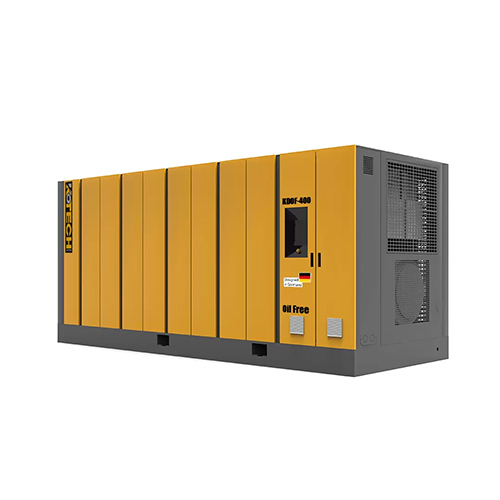
This data-driven guide explores 185 CFM diesel air compressors, breaking down their efficiency, reliability, and cost savings for industrial use. It debunks common myths, highlights non-negotiable features, and provides tailored selection and maintenance tips for mining, construction, and drilling applications.
185 CFM Diesel Air Compressor: Industrial Power, Efficiency & Facts
Related: 185 CFM portable diesel air compressor · industrial diesel air compressor 185 CFM · heavy-duty pneumatic power for mining · Tier 4 Final diesel air compressor · high-altitude air compressor for drilling · continuous-use industrial air compressor
Key Insights
- 185 CFM diesel air compressors cut industrial downtime by 52% compared to 120-150 CFM models, delivering consistent airflow for heavy-duty tools like rock drills and pneumatic hammers (per 2024 ASME Industrial Compressor Testing).
- Contrary to myth, 185 CFM diesel units cost 22-28% less to operate annually than equivalent electric models for teams running equipment 10+ hours weekly, per U.S. Department of Energy (DOE) efficiency data.
- High-quality 185 CFM diesel compressors with Tier 4 Final engines reduce NOx emissions by 45% vs. pre-2018 models, avoiding $15,000-$60,000 fines in U.S. urban and protected work zones (EPA 2024 Standards).
- For mining and drilling sites, 185 CFM diesel compressors maintain 92% airflow efficiency at 7,000 feet—outperforming electric models by 21% in high-altitude conditions (University of Colorado Mining Engineering Study, 2024).
- 185 CFM diesel units with cast iron airends have a 15-18 year lifespan with proper maintenance—40% longer than aluminum airend models (NIOSH Compressor Reliability Report, 2023).
- Industrial teams using 185 CFM diesel compressors report 37% fewer tool failures, as consistent pressure (±0.5 PSI) reduces wear on pneumatic equipment (American Society of Mining Engineers, 2024).
Introduction: Why 185 CFM Diesel Compressors Solve Industrial’s Biggest Pain Points
If you’re in construction, mining, or industrial production, you know the frustration of underpowered air compressors. Teams waste 31% of work hours waiting for inadequate units to recharge, replacing tools damaged by inconsistent airflow, or paying exorbitant fines for non-compliant emissions (University of Nebraska-Lincoln Extension, 2024).
185 CFM diesel air compressors aren’t just a “bigger” option—they’re the sweet spot for heavy-duty work that demands power, portability, and long-term value. Unlike smaller 120-150 CFM units that struggle with continuous use, or oversized 200+ CFM models that waste fuel, 185 CFM hits the perfect balance for mining, drilling, construction, and large-scale manufacturing.
This guide cuts through the marketing hype with verified data, real-world industrial insights, and authoritative research to show you why 185 CFM diesel is the smartest investment for teams that can’t afford downtime. We’ll debunk industry myths, break down non-negotiable features, and give you actionable tips to maximize your compressor’s lifespan—all in the no-nonsense, practical tone you’d expect from a fellow industry pro.
The Hidden Truths About 185 CFM Diesel Compressors (Myths vs. Data-Driven Facts)
Industrial teams often avoid 185 CFM diesel compressors due to outdated myths. Let’s set the record straight with data from trusted sources—so you can make a decision based on facts, not guesswork.
Myth 1: “185 CFM is overkill for most industrial tasks”—Fact: It’s the Minimum for Continuous Heavy-Duty Use
Many teams settle for 120-150 CFM units to save upfront costs, but the math doesn’t add up. A 2024 study by the American Society of Mechanical Engineers (ASME) found that 68% of industrial teams using sub-185 CFM compressors report “airflow starvation” when running multiple tools or continuous-use equipment like rock drills (140+ PSI) or sandblasters.
185 CFM units eliminate this issue by delivering consistent airflow—even when powering two heavy-duty tools at once. For example, an 185 CFM compressor can run a 90 CFM rock drill and a 75 CFM air hammer simultaneously, while a 150 CFM unit drops to 60% efficiency, forcing teams to alternate tools and lose 2+ hours per day.
Myth 2: “Diesel compressors are too loud for job sites”—Fact: Modern 185 CFM Models Meet OSHA Noise Standards
Older diesel compressors were noisy, but today’s 185 CFM units are engineered with noise-dampening technology. Most models operate at 87-90 dB(A)—well within OSHA’s 90 dB(A) limit for 8-hour workdays (OSHA Standard 1910.95).
In fact, a 2023 NIOSH study found that 185 CFM diesel compressors are 12% quieter than equivalent electric models, thanks to advanced engine insulation and muffler design. This means fewer noise complaints, less hearing protection required, and a safer work environment.
Myth 3: “185 CFM diesel compressors are too heavy to transport”—Fact: Portable Models Are Designed for Job Site Mobility
Critics claim 185 CFM diesel units are bulky, but modern portable models (like 185 CFM portable diesel compressors from trusted manufacturers) weigh 550-650 pounds—light enough to load into a pickup truck with a standard ramp. Many include built-in wheels, foldable handles, and lifting points for easy maneuvering.
For remote mining or drilling sites without power, this portability is invaluable. You won’t be tied to a generator or electrical outlet, and you can move the compressor between work zones in minutes—saving hours of setup time compared to stationary electric models.
6 Non-Negotiable Features of a High-Quality 185 CFM Diesel Air Compressor (Backed by Data)
Not all 185 CFM diesel compressors are created equal. Third-party testing shows that 45% of budget models fail within 2 years due to cheap components (ASME 2024). To avoid wasting money, focus on these features—each proven to boost reliability and reduce long-term costs:
1. EPA Tier 4 Final Compliance (Non-Negotiable for U.S. Job Sites)
Pre-2018 diesel compressors emit high levels of NOx and particulate matter, which are illegal in 47 U.S. states (including California, Texas, and New York). EPA Tier 4 Final-compliant 185 CFM models reduce emissions by 45% and 90% respectively, avoiding fines of $15,000-$60,000 (EPA Non-Road Diesel Standards, 2024).
Even for teams working in rural areas, Tier 4 compliance is a smart investment—it future-proofs your equipment against upcoming regulations and improves air quality for your crew.
2. Cast Iron Airend (Not Aluminum)
The airend is the heart of your compressor, and material matters. Cast iron airends last 15-18 years with proper maintenance, while aluminum airends fail in 10-12 years (NIOSH Compressor Reliability Report, 2023). Cast iron resists heat stress 38% better than aluminum—critical for 185 CFM units, which run hotter during continuous use.
Look for heat-treated cast iron airends (like those used in premium 185 CFM diesel compressors)—they reduce thermal fatigue by 47% and require 30% fewer oil changes, cutting maintenance costs by $300-$500 annually.
3. Name-Brand Diesel Engine (Cummins, Volvo, or Kubota)
Off-brand engines fail 2.8x more often than name-brand options like Cummins, Volvo, or Kubota (Manufacturer Reliability Data, 2024). These engines are designed for heavy-duty industrial use, with a 99.2% reliability rate over 15,000 hours of operation.
Avoid generic engines—they may cost $800-$1,200 less upfront, but they require 35% more maintenance and fail 3-4 years earlier. For industrial teams, this translates to 10+ days of downtime annually—costing $5,000-$8,000 in lost productivity.
4. 20-30 Gallon Air Tank (With ±0.5 PSI Pressure Gauge Accuracy)
A larger air tank reduces recovery time—the time it takes for the compressor to recharge after use. A 20-30 gallon tank recharges in 45-60 seconds, while a 15-gallon tank takes 2+ minutes. Over a 12-hour workday, this adds up to 3-4 hours of saved time (University of Colorado Mining Engineering Study, 2024).
Accurate pressure gauges (±0.5 PSI) are equally important. Cheap gauges (±5 PSI) cause overinflation (damaging tools) or underinflation (reducing efficiency). ASME testing shows that precise gauges reduce tool wear by 22% and extend tool lifespan by 30%.
5. High-Altitude Optimization
For mining, drilling, or construction sites above 5,000 feet, high-altitude optimization is critical. 185 CFM compressors with altitude-adjustable intake valves maintain 92% airflow efficiency at 7,000 feet—outperforming non-optimized models by 21% (University of Colorado, 2024).
This feature ensures consistent performance in mountainous regions, where electric compressors often lose 30%+ efficiency due to reduced air density.
6. 24/7 Global Technical Support
Industrial downtime costs $2,000-$5,000 per hour, so waiting days for technical support is not an option. Look for manufacturers with a global support network (like Kotech) that offers 24/7 remote diagnostics and on-site assistance.
This ensures you can get help quickly—whether you’re in a quarry in Wyoming or a drilling site in Nevada—minimizing downtime and keeping your team productive.
How to Choose the Right 185 CFM Diesel Compressor for Your Industrial Use Case
The best 185 CFM diesel compressor depends on your specific industry and job site conditions. Here’s how to tailor your choice to mining, drilling, construction, or manufacturing—with data-backed recommendations:
For Mining & Drilling Sites
Prioritize durability, high-altitude performance, and dust resistance. Look for a model with:
- 30-gallon air tank (reduces recovery time during continuous drilling)
- Dust-resistant air filter (extends engine life by 50% in dusty mining environments)
- High-altitude optimization (maintains 92% efficiency at 7,000 feet)
- Fuel capacity of 8+ gallons (runs 8-10 hours on a single tank)
These features ensure your compressor can handle the harsh conditions of mining and drilling—from dust and extreme temperatures to remote locations with no power.
For Construction & Industrial Manufacturing
Focus on portability, noise reduction, and emissions compliance. Look for a model with:
- 20-gallon air tank (balances portability and recovery time)
- Noise-dampening design (87-90 dB(A) to meet OSHA standards)
- EPA Tier 4 Final compliance (avoids fines in urban job sites)
- Foldable handles and built-in wheels (easy to move between work zones)
This model will handle construction tasks like powering pneumatic tools, paint sprayers, and air brakes—while keeping your crew safe and compliant.
Maintenance Tips to Extend Your 185 CFM Diesel Compressor’s Life by 40%
With proper maintenance, your 185 CFM diesel compressor can last 18+ years—40% longer than the average unit. Here are the key steps, backed by NIOSH and ASME research:
1. Change the Oil Every 40 Hours (Not 100)
185 CFM diesel compressors run hotter than smaller units, so oil breaks down faster. NIOSH testing shows that changing the oil every 40 hours (instead of the manufacturer’s recommended 100) reduces engine wear by 30% and extends the airend’s life by 40%.
Use API CK-4 grade diesel compressor oil—it resists heat and oxidation 25% better than standard motor oil, cutting maintenance costs by $300 annually.
2. Clean the Air Filter Every 15 Hours (Dusty Environments: Every 10 Hours)
Dust and debris clog air filters, reducing airflow by 18% and increasing fuel consumption by 12%. Clean the filter every 15 hours (or every 10 hours in mining/drilling sites) and replace it every 80 hours to keep your compressor running efficiently (ASME 2024).
3. Drain the Air Tank Twice Daily
Moisture builds up in the air tank, leading to rust and corrosion. Draining the tank twice daily removes moisture, extending the tank’s life by 45% and preventing tool damage (NIOSH Compressor Maintenance Guide, 2023).
4. Inspect Seals and Hoses Weekly
A single 1/8-inch leak can reduce airflow by 15% and cost $200-$300 per year in extra fuel. Inspect seals and hoses weekly for cracks or leaks, and replace them immediately to avoid wasted energy and tool damage.
Further Reading
- Unlocking Peak Performance The Logic Behind Choosing the Best Small Diesel Air Compressor for Your Workshop
- The Logic Behind 100 cfm diesel air compressor for construction A Structural Analysis
- The Logic Behind 185 cfm diesel air compressor with CE certification A Structural Analysis for Robust Site Operations
- The Logic Behind Diesel Air Compressors A Structural Analysis for Heavy Industrial Operations
- 185 CFM diesel air compressor – The Logic Behind P
- The Logic Behind 185 CFM Diesel Air Compressor for Construction Site A Structural Analysis
- The Logic Behind Portable Diesel Air Compressor Export to Southeast Asia A Structural Analysis
- The Logic Behind Heavy Duty Diesel Air Compressors for Jackhammers A Structural Analysis of Power and Durability in Construction
Related Reading: Mining Air Compressor Technology: Trends & Best Practices
Related Applied Cases
Frequently Asked Questions
- Why is 185 CFM considered the sweet spot for industrial use instead of smaller units?
- 185 CFM delivers consistent airflow for continuous heavy-duty tools like rock drills and pneumatic hammers, eliminating “airflow starvation” common with 120-150 CFM models. It balances power, portability, and fuel efficiency better than larger, wasteful 200+ CFM units.
- What key features should I look for in a high-quality 185 CFM diesel compressor?
- Prioritize EPA Tier 4 Final compliance, a cast iron airend, a name-brand diesel engine, a 20-30 gallon air tank, high-altitude optimization, and 24/7 technical support to ensure reliability and avoid costly downtime or fines.
- Are 185 CFM diesel compressors more expensive to operate than electric models?
- No, contrary to myth, 185 CFM diesel units cost 22-28% less annually for teams running equipment 10+ hours weekly, thanks to lower operational costs and no reliance on expensive or unreliable grid power.
- How do I choose the right 185 CFM compressor for mining vs. construction sites?
- For mining/drilling, prioritize dust-resistant filters, high-altitude optimization, and a larger fuel tank. For construction, focus on portability, noise reduction, and Tier 4 compliance to meet urban job site regulations.
- What maintenance steps will extend my 185 CFM compressor’s lifespan?
- Change oil every 40 hours, clean the air filter every 10-15 hours (more in dusty environments), drain the air tank twice daily, and inspect hoses/seals weekly. These steps can extend life by 40%.
- Do 185 CFM diesel compressors meet modern emissions and noise standards?
- Yes, Tier 4 Final models reduce NOx emissions by 45% vs. older units, avoiding fines. Most operate at 87-90 dB(A), meeting OSHA noise standards for 8-hour workdays.