

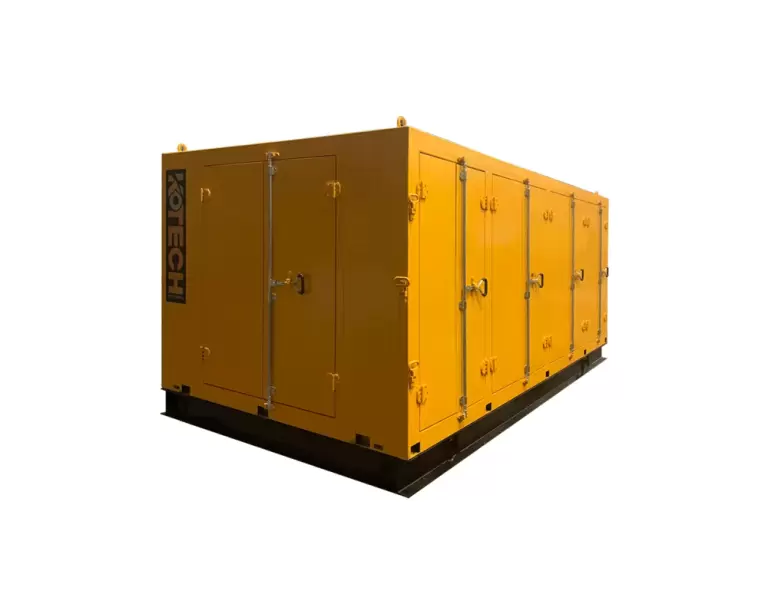
This guide breaks down small diesel air compressors for workshops, covering core components, selection steps, comparisons with electric/petrol models, and solutions to common ownership mistakes. It helps you invest in a reliable, long-lasting power source for your tools.
Small Diesel Air Compressor for Workshop Use
Related: compact diesel air compressor for workshop use · off-grid workshop pneumatic power · small diesel-powered air compressor · portable diesel compressor for automotive shops · workshop-grade diesel air compressor · independent air supply for workshops
A small diesel air compressor for a workshop is a robust, self-contained power source designed to deliver consistent compressed air in environments where electrical power is scarce, unreliable, or insufficient for high-demand pneumatic tools. Its significance lies in providing unparalleled mobility and operational independence, making it an indispensable asset for remote job sites, mobile workshops, and facilities requiring heavy-duty air tool operation without grid limitations. The primary problem it solves is the inherent constraint of electric compressors: reliance on stable, high-amperage electrical supply and limited portability. Diesel units overcome these by offering a powerful, go-anywhere solution that can handle prolonged, strenuous tasks, which often overwhelm smaller electric counterparts. From a framework perspective, these compressors represent a strategic investment for businesses and serious hobbyists who prioritize continuous operation, fuel efficiency over diverse power sources, and the ability to expand operational scope beyond fixed electrical points. They bridge the gap between heavy industrial requirements and the versatility needed in a dynamic workshop setting.
Dissecting the Core Components: What Makes a Diesel Air Compressor Optimal for Workshops?
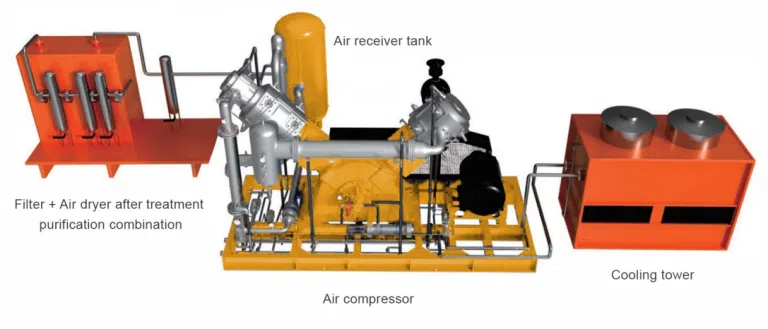
An optimal small diesel air compressor for a workshop is defined by its robust diesel engine, high-efficiency pump, adequate air tank capacity, and advanced control systems, all integrated for sustained, reliable performance.
At the heart of a small diesel air compressor is its engine, which directly influences power output, fuel efficiency, and longevity. Unlike petrol engines, diesel units offer superior torque at lower RPMs, translating to better efficiency under load and reduced wear over time, making them ideal for continuous, demanding workshop applications.
The compressor pump, often a two-stage or multi-stage design, is crucial for achieving higher pressure and greater CFM (cubic feet per minute) output with less effort. Oil-lubricated pumps are standard in diesel units for their durability and heat dissipation, ensuring a long service life even in arduous workshop conditions.
Based on structural analysis, the air receiver tank’s capacity dictates how long pneumatic tools can operate continuously before the compressor cycles back on. For workshop settings, a tank size that balances portability with sustained output is key, typically ranging from 20 to 60 gallons for small to medium-duty applications, ensuring consistent air delivery without frequent re-pressurization cycles.
Modern diesel compressors integrate sophisticated control systems, including pressure switches, unloader valves, and safety relief valves. These components work in concert to maintain optimal operating pressure, prevent over-pressurization, and manage engine load efficiently, contributing to both safety and operational economy.
Selecting Your Workshop’s Workhorse: A Step-by-Step Guide to Choosing a Small Diesel Air Compressor
Identifying the best small diesel air compressor for a workshop involves a systematic approach focusing on CFM requirements, pressure needs, power output, tank size, and portability, followed by evaluating build quality and after-sales support.
The first step is to accurately assess your workshop’s air tool requirements. Compile a list of all pneumatic tools you plan to use, noting their individual CFM and PSI (pounds per square inch) specifications. Always factor in a safety margin, typically adding 20-25% to the highest single tool’s CFM requirement, or calculating the combined CFM if multiple tools will run simultaneously.
Next, consider the compressor’s power output and engine type. A small, air-cooled diesel engine (e.g., 5-15 horsepower) is often sufficient for small workshops, offering a good balance of power and fuel economy. Evaluate the engine’s brand reputation for reliability and availability of spare parts, which is critical for long-term operational success.
From a framework perspective, tank size is a crucial consideration. While a larger tank provides more reserve air, it also increases the compressor’s footprint and weight. For portable workshop applications, a mid-sized tank (30-60 gallons) often strikes the right balance between sustained output and manageable mobility.
In practical application, portability features like robust wheels, sturdy handles, and a balanced design are paramount for a “small” diesel compressor intended for workshop use. Additionally, investigate noise levels, as quieter operation significantly improves the working environment, especially in enclosed spaces.
Finally, delve into the manufacturer’s reputation, warranty, and local service availability. A strong warranty and accessible service network are indicators of a quality product and crucial for minimizing potential downtime, ensuring your investment remains productive for years to come.
Diesel vs. Electric vs. Portable Petrol: A Comparative Overview for Workshop Compressor Choices
When selecting a workshop compressor, diesel units offer distinct advantages in power and independence compared to electric models constrained by power availability and portable petrol compressors often limited by run-time and fuel efficiency.
Diesel Compressors: From a framework perspective, small diesel air compressors excel in environments where continuous, high-volume air is required without immediate access to robust electrical infrastructure. They offer superior fuel efficiency under load, greater durability, and extended run times compared to petrol alternatives. Their complexity lies in engine maintenance, but their efficiency and independence are unmatched for heavy-duty, off-grid or mobile applications.
Electric Compressors: Electric compressors, while generally quieter and requiring less maintenance in terms of fuel and oil changes, are entirely dependent on electrical outlets. For a fixed workshop with ample power, they offer a clean, convenient, and often cheaper upfront solution. However, their efficiency can be hampered by voltage drops, and their portability is strictly limited by cord length and power availability, making them unsuitable for dynamic or remote workshop tasks.
Portable Petrol Compressors: Petrol compressors offer good portability and independence similar to diesel, but typically for lighter-duty or intermittent use. Their engines tend to be less fuel-efficient, produce more emissions, and may not have the same longevity under constant heavy load as their diesel counterparts. While cheaper initially, their higher running costs and shorter operational lifespan make them less ideal for a professional workshop needing a long-term, reliable air source.
Avoiding Downtime: Common Mistakes and Professional Solutions in Diesel Air Compressor Ownership
Common pitfalls in operating small diesel air compressors include neglecting routine maintenance, using incorrect oil and filters, and improper storage, all of which can be mitigated through adherence to manufacturer guidelines, quality supplies, and environmental protection.
Mistake 1: Neglecting Routine Maintenance. A frequent error is underestimating the importance of regular oil changes, filter replacements (air and fuel), and condensate drainage. Based on structural analysis, these seemingly minor tasks are crucial for preventing premature wear on the engine and compressor pump, which are under constant stress. Solution: Establish a strict maintenance schedule as outlined in the manufacturer’s manual. Implement a logbook for all service activities. Prioritize daily condensate drainage from the air tank to prevent rust and ensure dry air delivery.
Mistake 2: Using Incorrect Fluids and Filters. Another common pitfall involves using non-specified engine oil, compressor oil, or low-quality filters. This can lead to increased friction, reduced lubrication efficiency, and inadequate filtration, significantly shortening the lifespan of critical components. Solution: Always use fluids and filters that meet or exceed the manufacturer’s specifications. Investing in premium-grade lubricants and filters pays dividends in terms of component protection, fuel efficiency, and overall compressor longevity.
Mistake 3: Improper Storage and Environmental Exposure. Leaving a diesel compressor exposed to the elements, especially moisture and extreme temperatures, can lead to corrosion, fuel system contamination, and battery degradation. Solution: In practical application, store the compressor in a dry, sheltered environment when not in use. For extended storage, ensure the fuel tank is full to prevent condensation, or completely drained. Disconnect the battery or use a trickle charger to maintain its health.
Further Reading
- How Small Diesel Air Compressors for Workshops Are Redefining Automotive and Fabrication Efficiency
- The Logic Behind 185 cfm diesel air compressor with CE certification A Structural Analysis for Robust Site Operations
- The Logic Behind Portable Diesel Air Compressors for Construction A Structural Analysis of On-Site Power
- The Logic Behind Portable Diesel Air Compressor Export to Southeast Asia A Structural Analysis
- automotive shop air compressor – The Ultimate Guide
- The Logic Behind Heavy Duty Diesel Air Compressors for Jackhammers A Structural Analysis of Power and Durability in Construction
- Mining Air Compressor Solutions for Underground & Surface Mines
- Diesel Air Compressors for Industrial Excellence: Kotech’s Custom Solutions for Mining, Construction & Drilling
Related Reading: Industrial Compressed Air Solutions for Mining Operations
Related Applied Cases
Frequently Asked Questions
- How do I choose the right CFM and tank size for my workshop diesel compressor?
- List all pneumatic tools and their CFM/PSI requirements, then add 20-25% safety margin (especially if using multiple tools at once). For tank size, aim for 30-60 gallons for small/medium workshops to balance sustained output and portability.
- Why choose a diesel compressor over electric for my workshop?
- Diesel units offer complete independence from grid power, making them ideal for mobile service or remote workshops. They handle continuous heavy-duty use better, have longer lifespans, and avoid the limitations of high-amp circuits or generator dependency.
- What maintenance does a small diesel workshop compressor require?
- Follow the manufacturer’s schedule: regular oil changes (engine + compressor), filter replacements (air/fuel/oil), daily condensate drainage, and periodic checks of hoses, belts, and safety valves. Proper maintenance prevents costly breakdowns.
- Can I use a small diesel compressor in an enclosed workshop?
- Only with proper ventilation and exhaust routing. Diesel compressors produce toxic fumes and noise, so they must be placed in a dedicated, well-ventilated area or outdoors. Never operate them in unventilated spaces.
- How does a diesel compressor compare to petrol models for workshop use?
- Diesel engines are more fuel-efficient under load, have longer lifespans, and produce fewer emissions than petrol engines. They’re better suited for continuous heavy-duty use, while petrol models are cheaper upfront but less durable for professional workshop demands.
- What common mistakes should I avoid with my small diesel workshop compressor?
- Avoid undersizing the unit, using incorrect fluids/filters, neglecting maintenance, improper storage (moisture/extreme temps), and poor ventilation. These issues lead to premature wear, inefficiency, and safety hazards.