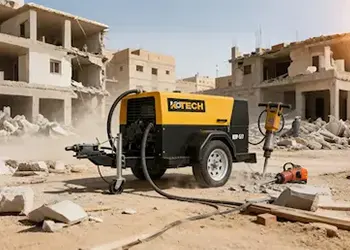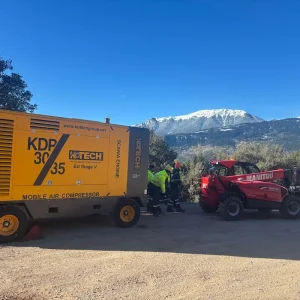

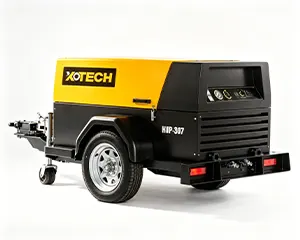
The 185 CFM diesel air compressor stands as a foundational piece of equipment on contemporary construction sites, representing a critical nexus between raw power delivery and operational versatility. This self-contained, mobile unit is engineered to deliver a consistent 185 cubic feet per minute (CFM) of compressed air, making it an indispensable power source for a diverse array of pneumatic tools and processes. Its significance in the modern construction landscape cannot be overstated. From powering heavy-duty demolition tools like jackhammers and rock drills to supporting sandblasting operations, concrete finishing, and various fastening applications, the 185 CFM compressor provides the necessary air volume and pressure reliably. This specific capacity is often considered a sweet spot, balancing robust output with manageable size and fuel efficiency. The primary problem this class of compressor solves revolves around the demanding power requirements of pneumatic tools in environments where electrical grids are either unavailable, unreliable, or insufficient. By providing autonomous, high-volume compressed air, it eliminates the constraints of wired power sources, enhancing mobility, increasing productivity, and ensuring uninterrupted workflow across varied and often remote construction locations.
Technical Foundations: Deconstructing the 185 CFM Diesel Air Compressor
The 185 CFM diesel air compressor is a self-contained, mobile power unit designed to deliver a consistent volume of compressed air for various pneumatic tools and processes on a construction site, characterized by its robust diesel engine and efficient air end.
Based on structural analysis, these compressors are meticulously engineered for durability and operational longevity. Key components include a high-performance diesel engine, which provides the motive power, chosen for its fuel efficiency and reliability in harsh conditions. The core compression mechanism typically involves a rotary screw air end, renowned for its continuous duty cycle and consistent airflow. This sophisticated design minimizes pulsations and ensures a steady air supply to connected tools.
Further integrated elements include a robust air receiver tank to store compressed air, ensuring a stable supply and managing demand fluctuations; a comprehensive cooling system for both the engine and compressed air; and a user-friendly control panel for monitoring and operation. The 185 CFM rating itself is a critical specification, indicating the volume of air produced per minute, which dictates the type and number of pneumatic tools it can effectively power simultaneously.
From a framework perspective, these compressors often feature heavy-duty chassis, impact-resistant enclosures, and advanced filtration systems, all designed to protect internal components from the rigorous demands of construction environments, including dust, debris, and extreme weather conditions.
Operationalizing Compressed Air: A Step-by-Step Deployment Guide
Effectively implementing a 185 CFM diesel air compressor on a construction site involves strategic planning, proper setup, and strict adherence to safety protocols to maximize uptime and operational efficiency while safeguarding personnel and equipment.
Step 1: Site Assessment and Strategic Placement. Before deployment, conduct a thorough site assessment to identify an optimal, level, and well-ventilated location. This area should be free from excessive dust, debris, and heavy traffic, yet easily accessible for refueling, routine maintenance, and hose connections. Proper placement also considers minimizing hose runs to reduce pressure drops and ensure consistent tool performance.
Step 2: Secure Connection and Pre-Operation Checks. Once positioned, securely connect air hoses to the compressor outlets and pneumatic tools, ensuring all fittings are tight and leak-free. Prior to start-up, verify proper fluid levels for fuel, engine oil, and coolant, and inspect air filters. Follow the manufacturer’s specific guidelines for engine start-up and allow for an adequate warm-up period to ensure optimal operating temperatures are reached.
Step 3: Continuous Monitoring and Preventative Maintenance. During operation, regularly monitor pressure gauges, engine temperature, and hour meters. Implement daily checks for any signs of air leaks, hose integrity issues, and condition of air filters. In practical application, adhering to a strict preventative maintenance schedule—including timely oil changes, filter replacements, and system inspections—is paramount to preventing unscheduled downtime and extending the compressor’s service life. Ensuring operators are trained in basic troubleshooting and emergency shutdown procedures further enhances on-site safety and efficiency.
Benchmarking Performance: 185 CFM Diesel Air Compressors Against Alternatives
A comparative analysis reveals that the 185 CFM diesel air compressor often strikes an optimal balance between power, mobility, and cost-effectiveness when weighed against smaller electric units or larger, less portable industrial compressors for typical construction applications.
**Comparison 1: Smaller Electric Compressors (e.g., 60-100 CFM Electric Units)**. From a framework perspective, smaller electric compressors typically offer lower initial purchase costs and boast higher energy efficiency if a stable electrical power source is readily available. However, their primary limitations lie in lower CFM output, which restricts the number and type of tools they can power simultaneously, and their dependency on electrical grids, making them less suitable for remote or expansive construction sites. They are also generally less robust for continuous, heavy-duty operation.
**Comparison 2: Larger Industrial Diesel Compressors (e.g., 300+ CFM Diesel Units)**. Larger industrial diesel compressors provide significantly higher CFM output, capable of powering multiple heavy-duty tools or high-demand processes simultaneously. While offering immense power, they come with a substantially higher initial investment and increased operational costs due to greater fuel consumption. Their larger footprint and weight also lead to reduced mobility and more complex transportation logistics, often making them an over-specified and inefficient choice for projects that do not require continuous, peak air demand.
The 185 CFM diesel air compressor distinguishes itself by delivering the autonomy and robust power of a diesel unit without the excessive operational overhead or logistical challenges of its larger counterparts. It efficiently supports a wide range of common construction tools and tasks, making it a strategically balanced choice for most medium to large-scale construction projects requiring portable and reliable compressed air.
Mitigating Risks: Avoiding Common Errors in Compressor Management
Operating a 185 CFM diesel air compressor efficiently and safely requires vigilance against common pitfalls such as inadequate maintenance, improper sizing for tasks, and neglecting site safety, all of which can lead to costly downtime, reduced equipment lifespan, and potential safety hazards.
**Pitfall 1: Inadequate Preventative Maintenance Schedules.** A frequent mistake is neglecting or delaying scheduled maintenance, including routine oil changes, filter replacements, and general system inspections. Solution: Implement a strict, manufacturer-recommended preventative maintenance schedule. Train operators on daily pre-operation checks (e.g., fluid levels, hose integrity, visible leaks) and maintain detailed service logs. This proactive approach significantly reduces the likelihood of unexpected breakdowns and extends the compressor’s operational life, ensuring consistent peak performance.
**Pitfall 2: Incorrect Air Tool Matching and Hose Sizing.** Another common error is pairing the compressor with tools that demand significantly more or less CFM than its output, or using undersized air hoses. This leads to inefficient operation, reduced tool performance, and increased wear on the compressor. Solution: Carefully match the pneumatic tool’s CFM and PSI requirements to the compressor’s capabilities. Additionally, ensure air hoses are of the appropriate diameter and length to minimize pressure drop and optimize airflow to the tools, thereby maximizing efficiency and preventing undue strain on the compressor.
**Pitfall 3: Neglecting Comprehensive Site Safety Protocols.** Failure to adhere to basic safety guidelines, such as operating in poorly ventilated areas, not securing hoses, or ignoring proper personal protective equipment (PPE), creates significant risks. Solution: Conduct regular safety briefings for all personnel operating near the compressor. Mandate the use of appropriate PPE (e.g., ear protection, safety glasses). Establish clear protocols for hose management to prevent trip hazards and ensure the compressor is positioned in well-ventilated, secure areas, minimizing noise exposure and exhaust gas accumulation.
Essential Insights: Addressing Key Questions on Construction Site Compressors
**Q1: What defines a 185 CFM diesel air compressor for construction site use?** A: A 185 CFM diesel air compressor is a mobile, engine-driven unit supplying 185 cubic feet per minute of compressed air, commonly used to power heavy-duty pneumatic tools like jackhammers and sandblasters on construction sites, operating independently of an electrical grid.
**Q2: Why is 185 CFM considered an industry standard for construction?** A: This volume strikes an optimal balance, providing sufficient power for most common construction tools while remaining portable and fuel-efficient for typical daily site demands, making it versatile for various project sizes and requirements.
**Q3: How does diesel power benefit construction site operations?** A: Diesel engines offer superior fuel efficiency, robust performance, and independence from electrical grids, making them ideal for remote or large construction sites where electricity is unavailable or unreliable, ensuring continuous operation.
**Q4: What maintenance is critical for these compressors?** A: Regular oil changes for the engine and air end, air filter replacement, fuel system checks, and inspection of hoses and fittings are crucial for ensuring reliability, efficiency, and extending the lifespan of the unit.
**Q5: Can these compressors run multiple tools simultaneously?** A: Yes, depending on the individual CFM requirements of each tool, a 185 CFM unit can often power several smaller tools or one to two heavy-duty tools concurrently without significant performance degradation.
The 185 CFM diesel air compressor stands as an enduring pillar of efficiency and operational autonomy in the construction industry. Its strategic balance of power output, mobility, and fuel efficiency makes it an indispensable asset, solving the critical challenge of delivering robust pneumatic power in diverse and often demanding environments. As construction methodologies continue to evolve, the underlying logic of integrating reliable, self-contained air power will only strengthen. Looking forward, advancements in engine technology, telematics for predictive maintenance, and further enhancements in energy efficiency will continue to solidify the 185 CFM diesel air compressor’s pivotal role, ensuring sustained productivity and project success across the globe.