

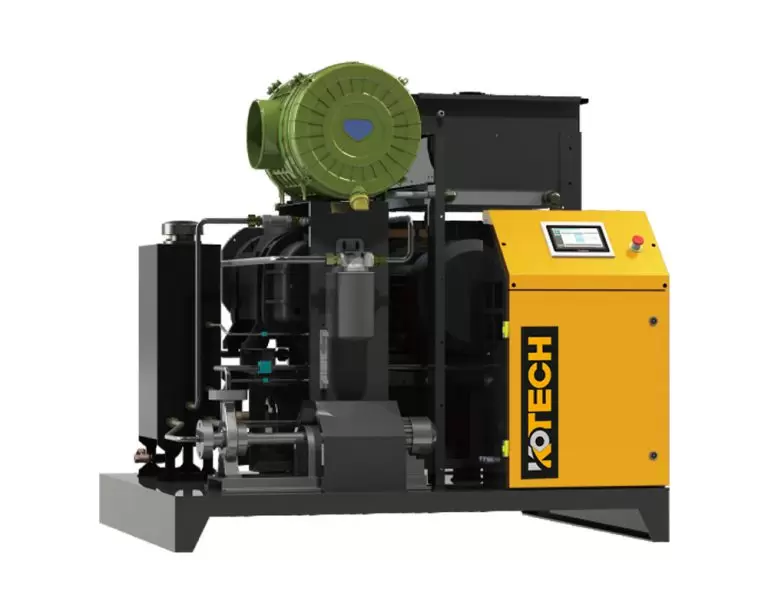
This guide explores portable diesel air compressors for construction, covering core mechanics, site implementation, comparisons with electric units, and solutions to common deployment challenges. It helps construction teams select, operate, and maintain these essential tools for optimal efficiency.
Portable Diesel Air Compressor for Construction: A Complete Guide
Related: mobile diesel air compressor for construction · construction site pneumatic power · portable rotary screw air compressor · off-grid air compressor for building sites · heavy-duty diesel-powered air compressor · construction-grade portable air compressor
A portable diesel air compressor for construction is an indispensable piece of heavy equipment engineered to deliver consistent, high-pressure compressed air to power an array of pneumatic tools and machinery across demanding job sites. These self-contained units integrate a robust diesel engine with an air-compressing mechanism, typically a rotary screw, mounted on a mobile chassis, providing critical utility where fixed power sources are either unavailable or impractical. In the realm of heavy civil construction, the reliance on pneumatic tools for tasks such as demolition, rock drilling, pile driving, sandblasting, and concrete spraying is profound. The primary problem these compressors solve is the fundamental need for reliable, autonomous air power in remote locations or rapidly changing work environments, eliminating the logistical complexities and limitations associated with electrical grid dependency or less powerful alternatives. The significance of these machines extends beyond mere utility; they are pivotal enablers of project timelines and operational efficiency. By providing on-demand, high-volume airflow, portable diesel air compressors ensure that critical construction activities can proceed uninterrupted, directly impacting productivity, worker safety, and the overall economic viability of large-scale infrastructure and building projects. Based on structural analysis, their design directly addresses the dynamic demands of modern construction.
The Core Mechanics of Portable Diesel Air Compressors
A portable diesel air compressor for construction is an integrated system comprising a diesel engine, an air end (typically a rotary screw), and associated control and cooling systems, designed to convert diesel fuel energy into compressed air for various pneumatic tools and processes on a job site. The diesel engine, forming the heart of the system, provides the necessary rotational power with exceptional fuel efficiency and high torque, crucial for continuous operation under heavy loads characteristic of construction work. Its robust nature ensures reliability in harsh outdoor conditions.
The air end, primarily a rotary screw type, is responsible for the actual compression. Air is drawn in and trapped between two meshing helical rotors. As the rotors turn, the volume between them decreases, progressively compressing the air. This continuous positive displacement mechanism is highly efficient for generating a steady, high-volume flow of compressed air, making it superior to reciprocating compressors for sustained, high-demand construction applications. From a framework perspective, the seamless integration of engine and air end is paramount for peak performance.
Further essential components include sophisticated air filtration systems to protect the engine and air end from contaminants, advanced cooling systems (oil and aftercoolers) to manage heat generated during compression, and a robust lubrication system to ensure the longevity of internal moving parts. Control systems regulate pressure, monitor operational parameters, and provide crucial safety shutdowns, ensuring that the compressor operates within specified limits and protects both the equipment and the operators. Its robust design ensures uninterrupted operation in harsh construction environments.
Implementing Portable Diesel Air Compressors in Construction Operations
Effectively implementing a portable diesel air compressor for construction involves a systematic approach to selection, deployment, maintenance, and safety to maximize operational efficiency and project timelines. The initial step is a meticulous needs assessment, which involves accurately identifying the CFM (Cubic Feet per Minute) and PSI (Pounds per Square Inch) requirements for all pneumatic tools expected to run simultaneously, along with an understanding of typical site conditions such as ambient temperature and elevation.
Following the needs assessment, the appropriate compressor selection is crucial. This entails choosing the right size and type (e.g., single-stage, two-stage, or rotary screw) that not only meets the air demands but also adheres to industry standards such as ISO 8573-1 for air quality if specific applications demand it. Over- or under-sizing can lead to inefficiencies or premature equipment wear.
Strategic placement on the job site is paramount; the compressor should be positioned on level ground with adequate clearance for optimal airflow, accessibility for refueling and routine maintenance, and away from heavy traffic paths. In practical application, proper positioning also accounts for noise reduction and directs exhaust fumes away from personnel and other sensitive areas. Additionally, ensuring proper hose sizing, secure connections, and correct air tool operation is vital to prevent pressure drops and enhance overall safety and performance, emphasizing daily operational checks for peak efficiency.
Comparative Analysis: Portable Diesel Air Compressors vs. Alternatives
Portable diesel air compressors for construction offer distinct advantages in power, mobility, and autonomy compared to electric compressors or reliance on centralized shop air systems, particularly in dynamic construction environments. When comparing them to electric compressors, the most striking difference is their independence from a fixed power grid. While electric units boast simpler power trains and quieter operation, their reliance on direct electrical connections or large, auxiliary generators severely limits their mobility and increases setup complexity in remote or rapidly changing sites. Diesel units, though having a higher initial cost and more complex engine maintenance, provide unparalleled autonomy and are often more fuel-efficient for high-demand, continuous use where grid power is unavailable.
From a framework perspective, comparing portable diesel compressors to centralized shop air systems reveals a trade-off between flexibility and sheer scale. Centralized systems are designed for large, permanent facilities where numerous pneumatic tools are required within a fixed footprint, offering high overall efficiency and reduced point-of-use noise. However, their high capital investment, extensive piping infrastructure, and complete lack of mobility make them impractical for temporary construction sites that frequently shift locations or demand rapid deployment.
Based on structural analysis, the portable diesel air compressor’s core strength lies in its unmatched versatility and robust performance in the field. While electric options may offer environmental benefits in specific contexts, and centralized systems excel in stationary workshops, the diesel portable is engineered specifically for the rough-and-tumble, ever-changing demands of construction sites, prioritizing power, durability, and operational independence. Its ability to provide consistent high-pressure air wherever it’s needed, without complex infrastructure, makes it the definitive choice for mobile construction operations.
Navigating Challenges: Common Pitfalls and Solutions in Compressor Deployment
Common pitfalls in deploying portable diesel air compressors for construction include improper sizing, neglecting routine maintenance, and inadequate site safety, all of which can be mitigated with proactive planning and adherence to best practices. One frequent mistake is incorrect sizing, where a compressor is either too small, leading to reduced tool efficiency, constant cycling, and premature wear, or too large, resulting in wasted fuel, higher operating costs, and unnecessary capital expenditure. The solution is to conduct a thorough pre-project air demand audit, consolidating CFM and PSI requirements for all anticipated pneumatic tools, and adding a sensible buffer for future needs or unexpected demands.
Another significant pitfall is the neglect of routine maintenance. Overlooking scheduled oil changes, filter replacements (air, oil, and fuel), and daily checks can lead to severe breakdowns, reduced operational efficiency, increased fuel consumption, and a significantly shortened equipment lifespan. From a framework perspective, preventative care is non-negotiable for operational continuity; implementing a strict preventative maintenance schedule as per the manufacturer’s specifications and training operators on basic daily inspections and fluid level checks are crucial preventative measures.
Finally, inadequate site setup and safety protocols pose substantial risks. Improper placement (e.g., on uneven ground, too close to buildings hindering airflow), insufficient ventilation, insecure hose connections, or ignoring essential Personal Protective Equipment (PPE) can lead to accidents, inefficiency, and regulatory non-compliance. The professional advice is to ensure compressors are placed on level, stable ground with adequate clearance for airflow and exhaust directed away from personnel. Mandate the consistent use of appropriate PPE (such as hearing protection and safety glasses) and conduct regular inspections of hoses, fittings, and safety valves to prevent blowouts or pressure-related incidents.
Further Reading
- Unlocking Peak Performance The Logic Behind Choosing the Best Small Diesel Air Compressor for Your Workshop
- The Logic Behind 100 cfm diesel air compressor for construction A Structural Analysis
- The Logic Behind 185 cfm diesel air compressor with CE certification A Structural Analysis for Robust Site Operations
- The Logic Behind Diesel Air Compressors A Structural Analysis for Heavy Industrial Operations
- construction air compressor – The Logic Behind 1
- The Logic Behind Portable Diesel Air Compressor Export to Southeast Asia A Structural Analysis
- The Ultimate Guide to 185 CFM Diesel Air Compressors: Why They’re a Game-Changer!
- The Logic Behind Heavy Duty Diesel Air Compressors for Jackhammers A Structural Analysis of Power and Durability in Construction
Related Applied Cases
Frequently Asked Questions
- What size portable diesel air compressor do I need for my construction tools?
- Match the compressor’s CFM and PSI to your tools’ requirements, adding a 20-30% buffer for simultaneous use or pressure drops. Common construction tools like jackhammers need 70-90 CFM, while larger sandblasters require 185+ CFM.
- Why choose a portable diesel compressor over an electric one for construction?
- Diesel units offer complete independence from the grid, making them ideal for remote sites or projects with unreliable power. They also provide consistent high-volume airflow for continuous use, avoiding generator setup costs and limitations.
- How do I set up a portable diesel compressor safely on a construction site?
- Place it on level, stable ground with good ventilation, direct exhaust away from personnel, secure all hose connections, and conduct pre-operation checks of fuel, oil, and filters. Follow manufacturer guidelines for start-up and warm-up procedures.
- What maintenance is required to keep my construction diesel compressor running reliably?
- Stick to a strict schedule: daily fluid level checks, timely oil and filter changes, regular air filter cleaning, and weekly hose/fitting inspections. These steps prevent breakdowns and extend the unit’s lifespan.
- Can I use a portable diesel compressor indoors or in enclosed spaces?
- No. Diesel compressors produce toxic exhaust fumes, so they must only be operated in well-ventilated outdoor areas. Indoor use poses severe health risks from carbon monoxide buildup.
- What common mistakes should I avoid when using a portable diesel compressor on-site?
- Avoid undersizing the compressor, using mismatched or damaged hoses, neglecting maintenance, placing it in poorly ventilated areas, and skipping daily safety checks. These issues lead to inefficiency, downtime, or safety hazards.