

This comprehensive guide explores the 2 stage diesel air compressor operating at 25 bar, covering its core architecture, key price determinants, selection strategies, and comparison with alternatives. It addresses common purchasing pitfalls and FAQs, providing industrial buyers with actionable insights for high-pressure applications.
2 Stage Diesel Air Compressor 25 Bar: Price, Design & Industrial Applications
Related: 25 bar two-stage diesel air compressor · high-pressure diesel air compressor · dual-stage air compressor for industrial drilling · heavy-duty portable air compressor · high-pressure industrial pneumatic power · two-stage compression air end
The 2 stage diesel air compressor operating at 25 bar represents a critical piece of heavy-duty industrial equipment, specifically engineered to deliver high-pressure compressed air in environments where electrical power is scarce or impractical. This specialized machinery achieves its robust output by compressing air in two distinct stages, significantly enhancing efficiency and enabling the production of air pressures up to 25 bar (approximately 362 PSI), far exceeding the capabilities of standard single-stage units. Its significance lies in its unparalleled utility across demanding sectors, providing the immense power required for specialized tasks. The primary problem solved by the 2 stage diesel air compressor 25 bar is the pervasive need for reliable, high-volume, and exceptionally high-pressure compressed air in remote, off-grid locations. Industries such as deep-hole drilling, oil and gas exploration, large-scale infrastructure projects, and specialized manufacturing processes frequently encounter scenarios where conventional compressors fall short. This advanced compressor architecture provides the necessary power for critical tools and operations, ensuring project continuity and operational efficiency, thereby overcoming significant logistical and performance barriers inherent in challenging field conditions. Understanding the nuanced factors that contribute to the 2 stage diesel air compressor 25 bar price is essential for strategic procurement and long-term operational planning. This article will provide a definitive, deep-dive analysis, dissecting the technical underpinnings, cost determinants, and strategic value propositions of these powerful machines. Based on structural analysis, we will explore the intricate engineering, market dynamics, and operational considerations that shape its overall economic footprint and establish its indispensable role in modern industrial applications.
Dissecting the Core Architecture of 2 Stage Diesel Air Compressors Operating at 25 Bar
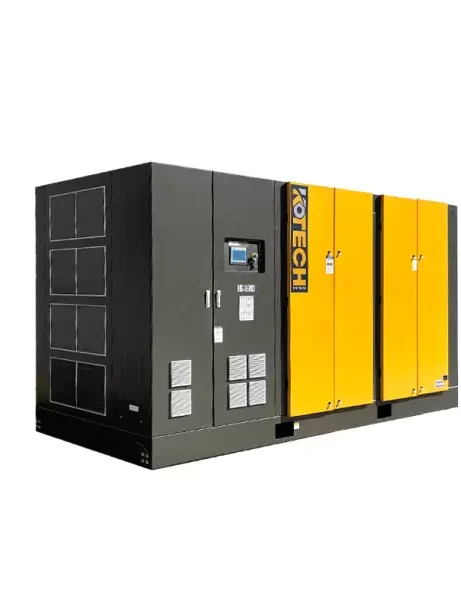
A 2 stage diesel air compressor operating at 25 bar is fundamentally designed for efficiency and high-pressure delivery, utilizing a two-step compression process where air is first partially compressed in a low-pressure cylinder, cooled, and then further compressed in a high-pressure cylinder to reach the target 25 bar. This staged approach reduces the workload on each compression stage, lowers operating temperatures, and significantly improves volumetric efficiency compared to single-stage designs for similar pressure outputs. This architectural choice is central to its ability to reliably sustain such high pressures.
From a framework perspective, the key components contributing to this performance include a robust, heavy-duty diesel engine, the multi-stage air end (compressor block), an efficient intercooler and aftercooler system, a sophisticated control panel, a large-capacity fuel tank, and a durable chassis typically mounted on a trailer for mobility. The diesel engine provides the necessary power, while the air end’s precision-engineered rotors or pistons facilitate the dual-stage compression. The intercooler reduces air temperature between stages, preventing overheating and improving efficiency, while the aftercooler ensures the delivery of cooler, drier air.
The 25 bar pressure rating itself signifies the compressor’s capability to power specialized pneumatic tools, execute demanding drilling operations, or serve high-pressure testing applications. The integration of high-grade materials and precision manufacturing throughout these components ensures the structural integrity and longevity required to operate consistently under extreme pressures and demanding environmental conditions, directly influencing both performance and the initial investment cost. This robust construction is non-negotiable for safety and reliability.
Key Determinants Driving the 2 Stage Diesel Air Compressor 25 Bar Price Spectrum
The price of a 2 stage diesel air compressor rated at 25 bar is influenced by a multifaceted array of factors, extending beyond mere capacity to encompass brand reputation, engine specifications, advanced features, and regional market dynamics. Leading manufacturers, known for their engineering excellence and reliability, typically command a higher price point due to superior build quality, advanced R&D, and robust after-sales support. This brand premium reflects a long-term investment in durability and performance.
Specific technical features significantly impact pricing, including the compressor’s Free Air Delivery (FAD) in CFM or m3/min, the power output and emissions compliance of the integrated diesel engine (e.g., Tier 3, Tier 4 Final), and the presence of advanced control systems such as telematics, remote monitoring, and variable speed drives. Additional integrated features like high-capacity fuel tanks for extended operation, heavy-duty air filtration systems for dusty environments, and advanced safety shutdown mechanisms also contribute to the overall cost. These enhancements are not merely luxuries but necessities for optimal operation and compliance.
Regional economic conditions, import duties, shipping logistics, and the availability of local service networks also play a substantial role in the final acquisition cost. A compressor sourced from a region with high manufacturing costs or requiring extensive international transport and local certification will naturally incur a higher price. Furthermore, the warranty offered, the availability and cost of spare parts, and the dealer’s service agreement collectively form part of the total cost of ownership, making a comprehensive assessment crucial for any potential buyer.
Strategic Selection: Identifying the Right 2 Stage Diesel Air Compressor 25 Bar for Your Project
Identifying the right 2 stage diesel air compressor 25 bar for a specific project requires a meticulous, step-by-step approach to ensure optimal performance, cost-efficiency, and operational longevity. In practical application, the initial phase involves a thorough assessment of the required air pressure and flow rates, which are dictated by the specific pneumatic tools or industrial processes the compressor will power. Oversizing can lead to unnecessary capital expenditure and reduced fuel efficiency, while undersizing will compromise operational effectiveness and potentially damage equipment.
The second crucial step involves evaluating the operational environment and logistical constraints. This includes considering factors such as ambient temperature extremes, altitude, dust levels, and the terrain over which the compressor will be moved. A robust, all-weather canopy, specialized filtration systems, and appropriate chassis design are critical for performance and durability in harsh conditions. Furthermore, compliance with local emissions regulations for the diesel engine must be a primary selection criterion to avoid legal and operational setbacks.
Finally, a comprehensive total cost of ownership (TCO) analysis, extending beyond the initial purchase price, is imperative. This involves factoring in projected fuel consumption, routine maintenance costs, the availability and pricing of genuine spare parts, and the quality of the manufacturer’s or dealer’s after-sales service and warranty support. A low initial price might prove to be a false economy if long-term operational and maintenance expenses are exorbitant or if critical technical support is lacking. Securing a reliable service partner with readily available parts is paramount for minimizing downtime.
Comparative Value: 2 Stage Diesel 25 Bar vs. Alternative Compressor Architectures
When evaluating the 2 stage diesel air compressor 25 bar price, a comparative analysis against alternative compressor architectures illuminates its unique value proposition and specific application sweet spots. The core distinction lies in its capacity for extremely high pressure and its inherent portability, powered by a self-contained diesel engine. This configuration is optimized for heavy industrial tasks where high pressure is non-negotiable and grid power is unavailable.
In contrast, a single-stage diesel compressor typically offers lower pressures (e.g., 7-10 bar) at a significantly lower initial cost and simpler mechanical design. While adequate for general construction tools or lighter blasting, it lacks the pressure capability and efficiency to sustain demanding operations like deep drilling or high-pressure hydro-blasting, making it unsuitable for the niche served by 25 bar units. Its lower complexity translates to reduced maintenance but also restricted utility.
Another alternative, the electric 2-stage compressor, can match the 25 bar pressure output and often surpasses diesel units in terms of operational noise and emissions within a fixed plant setting. However, its primary drawback is the reliance on a stable, high-power electrical supply, severely limiting its portability and suitability for remote field operations. While potentially offering lower running costs where electricity is cheap, its infrastructure requirements often negate its applicability for the mobile, high-pressure demands that define the 2 stage diesel 25 bar market. The initial cost might be similar or lower, but operational flexibility is severely compromised.
Navigating Acquisition: Common Pitfalls in Purchasing a 2 Stage Diesel Air Compressor 25 Bar
Purchasing a 2 stage diesel air compressor 25 bar involves significant capital investment, and avoiding common pitfalls is crucial for maximizing return on investment and ensuring project success. One frequent mistake is underestimating the total cost of ownership (TCO). Many buyers focus solely on the sticker price, neglecting the substantial ongoing expenses related to fuel consumption (especially given the power demands of 25 bar operation), scheduled maintenance, replacement of wear parts, and potential repairs. A robust TCO calculation must factor in these long-term operational expenditures.
Another critical pitfall is neglecting the specifics of the application environment. A compressor designed for temperate climates may fail prematurely in extreme heat, cold, or highly dusty conditions without appropriate modifications or heavy-duty features. In practical application, inadequate air filtration, insufficient cooling, or an engine not rated for high altitudes can lead to chronic performance issues, increased downtime, and accelerated component wear. A detailed environmental assessment before purchase is non-negotiable.
Finally, overlooking the importance of after-sales support and parts availability can lead to costly operational disruptions. Manufacturers or dealers with limited service networks or slow spare parts delivery can leave essential equipment idle for extended periods, severely impacting project timelines and profitability. Based on structural analysis of successful operations, partnering with a vendor offering comprehensive local support, readily available genuine parts, and experienced technicians is a strategic imperative to ensure maximum uptime and operational continuity.
Evolving Market Dynamics and the Future of High-Pressure Diesel Compressors
The market for 2 stage diesel air compressors 25 bar is continuously evolving, driven by technological advancements and increasing regulatory pressures. Future trends indicate a strong push towards enhanced fuel efficiency, reduced emissions, and the integration of smart technologies for predictive maintenance and remote diagnostics. These innovations aim to lower operational costs and environmental impact while improving reliability in demanding field conditions. Manufacturers are investing heavily in cleaner diesel engines and more sophisticated control systems to meet global standards.
The demand for high-pressure, portable air solutions is projected to remain robust, particularly with ongoing global infrastructure projects, renewed focus on mineral extraction, and advancements in specialized drilling techniques. From a framework perspective, the industry will see a greater emphasis on modular designs that allow for easier servicing and component replacement, further contributing to the longevity and economic viability of these machines. This modularity also aids in adapting to diverse operational needs.
Furthermore, the integration of IoT and AI-driven monitoring systems will transform how these compressors are managed, enabling real-time performance optimization, proactive fault detection, and streamlined logistics. This strategic shift towards intelligent asset management will not only enhance operational efficiency but also provide valuable data insights for future design improvements, cementing the 2 stage diesel air compressor 25 bar’s position as a critical asset in the industrial landscape for years to come.
In conclusion, the 2 stage diesel air compressor operating at 25 bar is far more than just a piece of equipment; it is a strategic asset integral to the success of high-pressure, remote industrial operations. Its robust architecture, capable of delivering immense pressure and flow, justifies its investment through unparalleled efficiency, reliability, and the ability to unlock demanding project scopes. Understanding the comprehensive factors influencing its price – from technical specifications and brand repute to TCO and aftermarket support – is paramount for informed decision-making. As industries continue to push boundaries in challenging environments, the strategic value of these advanced compressors will only grow, underscoring their indispensable role in shaping future operational efficiencies and project capabilities. The long-term strategic value far outweighs the initial acquisition cost for the right application.
Further Reading
- How Small Diesel Air Compressors for Workshops Are Redefining Automotive and Fabrication Efficiency
- How Mobile Diesel Air Compressor for Sandblasting Site Enhances Remote Project Efficiency
- Overcoming On-Site Power Challenges The Strategic Value of a Used 300 CFM Diesel Air Compressor for Sale
- The Logic Behind 100 cfm diesel air compressor for construction A Structural Analysis
- 2 stage diesel air compressor 25 bar – The Logic Behind D
- The Logic Behind High Pressure Diesel Air Compressor for Sandblasting 25 Bar A Structural Analysis
- The Logic Behind 185 CFM Diesel Air Compressor for Construction Site A Structural Analysis
- How 2 Stage Diesel Air Compressor Export to Africa Is Reshaping Industrial Efficiency
Related Applied Cases
Frequently Asked Questions
- What projects need a 2 stage diesel air compressor of 25 bar?
- It is ideal for deep hole drilling, oil and gas exploration, tunnel piling, high-pressure blasting and large-scale remote infrastructure projects that require stable ultra-high pressure air supply without grid power.
- Why choose 2-stage design instead of single-stage for 25 bar high pressure?
- Two-stage compression with intercooling lowers temperature, reduces component load, improves fuel efficiency and service life; single-stage compressors cannot stably reach and sustain 25 bar working pressure.
- What main factors affect 2 stage diesel air compressor 25 bar price?
- Key factors include brand quality, diesel engine grade, FAD flow rate, configuration of cooling/filtration system, intelligent control function, import duty, logistics and after-sales warranty service.
- Is it worth buying a high-priced 25 bar two-stage diesel compressor?
- Worth it for scenarios that must have 25 bar high pressure. It saves long-term fuel and maintenance costs, avoids equipment mismatch losses, and lowers total operating cost of ownership.
- What should I pay attention to when buying a 25 bar two-stage diesel compressor?
- Do not only focus on the initial price; match pressure and flow according to your tools, consider local high temperature/dust/altitude environment, and confirm engine emission standard and spare parts supply support.
- 25 bar two-stage diesel compressor vs electric two-stage compressor, which is better?
- Diesel type is movable and independent of power grid, perfect for remote field works; electric type is cheaper in running cost but relies on stable electricity, only suitable for fixed factory workshops.