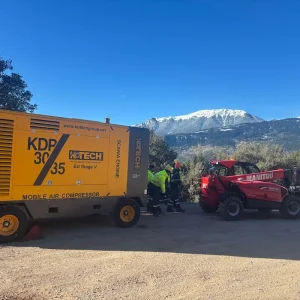

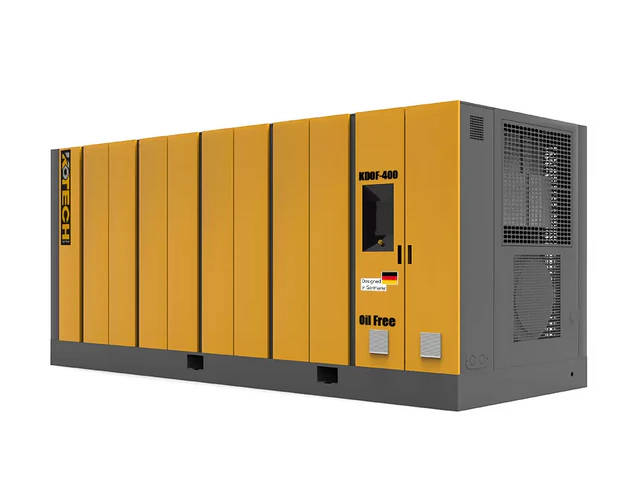
Navigating the complexities of remote oil and gas exploration demands equipment that performs under extreme pressure, literally and figuratively. Compact air compressors are not just about saving space; they are critical enablers for operational continuity, safety, and cost efficiency in the most challenging environments. This guide, drawing on over a decade of field experience, cuts through the noise to provide actionable insights on selecting, deploying, and maintaining these vital systems.
Choosing Compact Air Compressors for Remote Oil & Gas Operations
Key Takeaways
- Compact compressors are essential for remote O&G due to extreme conditions and logistical challenges.
- Key selection criteria include robust construction, portability (skid/trailer-mounted), and energy efficiency (VSD).
- Remote monitoring and predictive maintenance significantly reduce downtime and operational costs.
- Strict adherence to safety certifications (ATEX, NEMA) is mandatory for hazardous environments.
- Total Cost of Ownership (TCO) should guide purchasing decisions, prioritizing long-term reliability and efficiency.
Related: Skid-mounted air compressors · trailer-mounted compressors · offshore air systems · onshore exploration equipment · pneumatic tools · drilling support · seismic survey compressors · energy-efficient air compression · predictive maintenance · ATEX certified compressors.
In the high-stakes world of oil and gas exploration, particularly at remote sites, every piece of equipment is a mission-critical asset. When it comes to air compressors, the stakes are even higher. We’re not talking about shop air here; we’re discussing the backbone for pneumatic tools, drilling support, seismic surveys, and critical instrumentation in locations where a breakdown isn’t just an inconvenience—it’s a catastrophic operational halt. The right compact air compressor isn’t just a purchase; it’s a strategic investment in uptime and safety.
Here are the Key Insights for optimizing your compact air compressor strategy in remote O&G exploration:
- Reliability in Harsh Environments is Non-Negotiable: Equipment must withstand extreme temperatures, dust, and corrosive elements to prevent costly downtime.
- Portability and Footprint Directly Impact Logistics & Operational Costs: Smaller, lighter units reduce transport expenses and enable deployment in constrained spaces.
- Energy Efficiency Drives Significant ROI: Fuel consumption is a major operational expense; VSD technology and optimized sizing offer substantial savings.
- Advanced Monitoring & Predictive Maintenance are Game-Changers: Remote diagnostics minimize unexpected failures and extend service intervals, crucial for isolated sites.
- Safety Compliance is Paramount: ATEX and other certifications are essential for operating in hazardous, potentially explosive atmospheres.
The Unseen Challenges of Remote O&G Exploration
Operating in remote oil and gas exploration sites presents a unique set of challenges that standard industrial compressors simply aren’t built to handle. Think about it: vast distances, extreme weather—from arctic freezes to desert heat—unpredictable terrain, and limited infrastructure. These aren’t just logistical hurdles; they directly impact equipment performance and longevity. Downtime isn’t just about lost production; it’s also about the astronomical cost of mobilizing specialized technicians and replacement parts to the middle of nowhere. A study by Kimberlite Oilfield Research (2022) revealed that unexpected downtime can cost oil and gas operators anywhere from $50,000 to $200,000 per day, varying significantly by operation size and location. This figure alone underscores why reliability in compact air compressors isn’t a luxury, but a fundamental requirement.
Why Compact Matters: Beyond Just Size
When we talk about “compact,” it’s not just about fitting into a smaller container. It’s about total operational footprint and mobility. In many remote exploration scenarios, access roads are non-existent or barely passable. Helicopter lifts, specialized off-road vehicles, or even barges might be the only transport options. A smaller, lighter, skid-mounted or trailer-mounted compressor significantly reduces transport costs and simplifies logistics. It means faster deployment, less site preparation, and the ability to operate in tighter spaces, such as well pads or temporary survey camps, that larger, conventional units couldn’t access. The financial implications are clear: less weight and volume translate directly into lower freight charges and quicker setup times, boosting overall project efficiency.
Reliability: The Non-Negotiable Foundation
I’ve seen firsthand what happens when equipment fails in the field. It’s never pretty. For compact air compressors in remote O&G, reliability isn’t a marketing buzzword; it’s the core of operational success. This means looking for units engineered with robust components, heavy-duty enclosures, and specialized packages for extreme conditions. Think about features like cold-weather packages with insulated enclosures and engine block heaters for sub-zero operations, or advanced filtration systems for dusty desert environments. Corrosion resistance is also critical, especially in coastal or offshore exploration sites. Manufacturers often quote Mean Time Between Failure (MTBF) figures, but real-world performance under specific O&G conditions is what truly counts. Demand proven track records and talk to other operators about their experiences with specific models and brands. According to the IEA’s World Energy Outlook 2023, global upstream oil and gas investment is projected to rise by 6% in 2023, indicating sustained activity in these challenging environments, further emphasizing the need for reliable equipment.
Powering Up Smart: Efficiency and Fuel Economy
Fuel is often the most expensive consumable at a remote site. Generators run continuously, and every gallon of diesel has to be transported, often over long distances, adding significant cost and environmental impact. This is where energy-efficient compact air compressors truly shine. Variable Speed Drive (VSD) technology, for instance, allows the compressor to adjust its output to match demand, significantly reducing energy consumption compared to fixed-speed units that often run at full capacity even when not needed. Optimally sizing the compressor for the specific application also prevents over-speccing, which leads to wasted energy. We’ve seen well-chosen VSD compressors reduce fuel consumption by up to 30% in certain applications, directly impacting the bottom line. This isn’t just about being “green”; it’s about smart economics in a sector where every operational cost is scrutinized.
Smart Monitoring & Maintenance: Keeping Operations Flowing
In remote locations, proactive maintenance isn’t just good practice; it’s essential. The adoption of remote monitoring and predictive maintenance solutions in the oil and gas sector is expected to grow at a CAGR of 9.5% from 2023 to 2028, as per MarketsandMarkets analysis (2023). This trend highlights a critical shift. Modern compact air compressors should ideally come equipped with telematics and IoT capabilities, allowing operators to monitor key performance indicators (KPIs) like pressure, temperature, runtime, and filter status from a central control room. This data enables predictive maintenance, allowing teams to schedule interventions before a failure occurs, optimizing technician deployment and minimizing unplanned downtime. Easy access to service points and extended service intervals are also crucial design considerations, reducing the frequency and complexity of on-site maintenance tasks.
Safety First: Compliance in Hazardous Environments
Oil and gas exploration sites, by their very nature, are often hazardous environments. The presence of flammable gases, vapors, and dust means that every piece of electrical and mechanical equipment must meet stringent safety standards. For air compressors, this typically means compliance with certifications like ATEX (Atmosphères Explosibles) directives for European operations, or NEMA ratings for specific hazardous locations in North America. Features like spark arrestors, emergency shutdown systems, pressure relief valves, and explosion-proof components are not optional—they are mandatory. Ignoring these requirements is not only a regulatory violation but also an unacceptable risk to personnel and assets. Always verify the compressor’s certification for the specific hazardous zone classification of your exploration site.
Choosing the Right Compressor: A Strategic Approach
Selecting a compact air compressor for remote oil and gas exploration isn’t a simple task. It requires a thorough understanding of your specific application’s demands, environmental conditions, logistical constraints, and safety protocols. Beyond the initial purchase price, consider the Total Cost of Ownership (TCO), which includes fuel consumption, maintenance, parts, and potential downtime costs. A slightly more expensive, highly reliable, and efficient unit will almost always deliver a better ROI in the long run than a cheaper one that constantly needs repairs or guzzles fuel. Engage with reputable manufacturers who have a proven track record in the oil and gas sector and can offer tailored solutions and robust after-sales support.
When Not to Go Compact: Boundary Conditions
While compact air compressors are ideal for many remote exploration scenarios, it’s important to recognize their limitations. They aren’t always the best fit for very large, long-term, fixed installations that require extremely high volumes of air (e.g., hundreds or thousands of SCFM) or highly specialized air quality (e.g., instrument air for complex processing plants). In such cases, a permanent, custom-engineered, larger-scale compressor station might be more cost-effective and efficient, even with the higher initial capital expenditure. The “compact” solution is most advantageous when mobility, rapid deployment, and operational flexibility in challenging, temporary, or space-constrained environments are the primary drivers.
Expert Insights
Having navigated the complexities of remote oil and gas sites for over a decade, I can tell you this much: the right compact air compressor isn't just a piece of machinery; it's a strategic partner. It’s about more than just moving air; it’s about ensuring every operation runs smoothly, safely, and cost-effectively, even when you’re literally in the middle of nowhere. Don't compromise on reliability or efficiency, because the cost of failure far outweighs any initial savings. Invest smart, and your operations will thank you.
Further Reading
- Variable-Speed Mining Air Compressors for Fluctuating Air Demand
- Industrial Two-Stage Compressor Uses for High-Pressure Air Tools
- Mining Air Compressor Efficiency vs Cost: Technical Analysis
- Portable Diesel Air Compressors with Low Fuel Consumption for Mines
- Compact Air Compressors, Remote Oil & Gas Exploration, Portable Air Compressors, Oilfield Air Solutions, Harsh Environment Compressors – Air Compressor Sol
- Continuous-Duty Mining Air Compressors for 24/7 Production Cycles
- Two-Stage Air Compressor Applications in Automotive Manufacturing
- Compressed Air Technology for Mining: Key Innovations
About the Author

Related Reading: Air Compressors for Mining: Reliable Power for Critical Tasks