

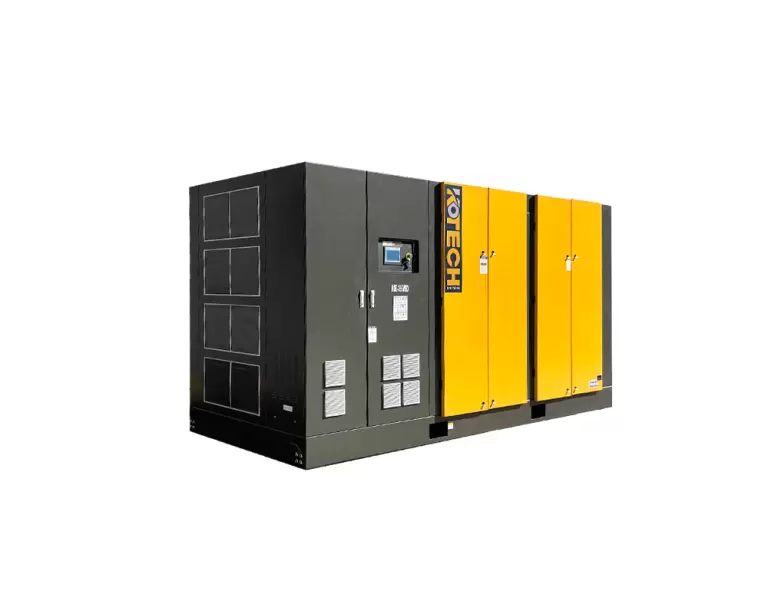
This guide explores the 185 CFM diesel air compressor with CE certification, covering its technical architecture, regulatory compliance, deployment best practices, and comparison with smaller/larger alternatives. It highlights how these units balance power, mobility, and safety for industrial use.
185 CFM Diesel Air Compressor with CE Certification
Related: 185 CFM CE diesel air compressor · mobile diesel air compressor for construction · certified industrial air compressor · 185 CFM portable diesel compressor · EU-compliant air compressor · rotary screw diesel air compressor
A 185 cfm diesel air compressor with CE certification fundamentally represents a critical piece of mobile pneumatic power equipment, engineered to deliver 185 cubic feet per minute (CFM) of compressed air, driven by a diesel engine, and affirmed to meet the stringent health, safety, and environmental protection standards of the European Economic Area (EEA) through CE marking. This specific capacity strikes an optimal balance between portability and robust power, making it a cornerstone for diverse heavy-duty applications ranging from construction and mining to road building and municipal utilities. The significance of integrating a 185 cfm diesel air compressor is rooted in its unparalleled versatility and independence from grid power, offering critical mobility essential for remote job sites. Furthermore, the CE certification is not merely a label; it is a declaration by the manufacturer that the product complies with all applicable EU directives, mitigating operational risks and ensuring legal market access within the EEA. From a framework perspective, this combination addresses the pervasive industry problem of needing reliable, high-volume air power in dynamic environments, without compromising safety or regulatory adherence. In the current operational landscape, where efficiency, compliance, and resilience are paramount, the 185 cfm diesel air compressor with CE certification provides a definitive solution to challenges such as power limitations on remote sites, the need for consistent pneumatic tool operation, and the imperative to meet international safety benchmarks. Its robust design and certified compliance ensure that projects can proceed without the setbacks associated with unreliable equipment or non-adherence to crucial safety directives.
Technical Architecture of the 185 CFM Diesel Air Compressor
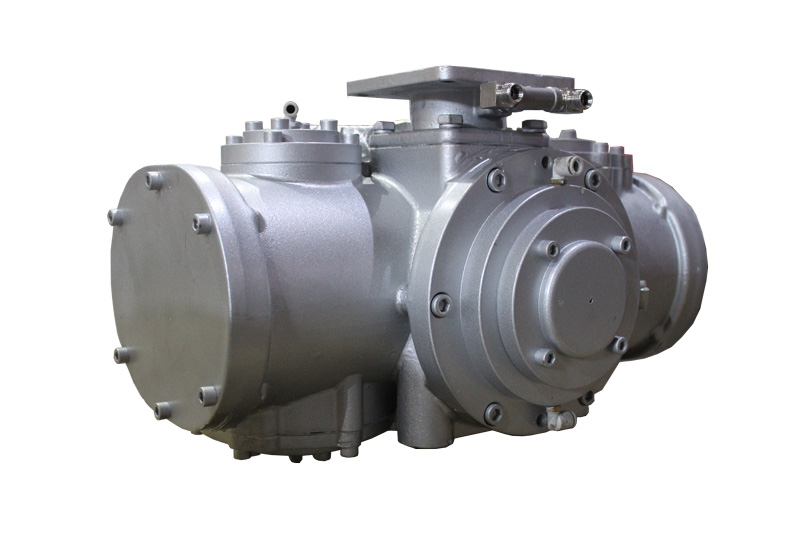
The technical architecture of a 185 cfm diesel air compressor is built upon the synergy of a powerful diesel engine and an efficient rotary screw air end. Based on structural analysis, the rotary screw mechanism is favored for its continuous air delivery, superior efficiency, and cooler operation compared to piston compressors, making it ideal for the consistent demand of professional tools. The diesel engine, typically a robust, low-emission industrial model, provides the necessary torque and reliability to drive the air end, often featuring direct injection for optimized fuel economy and power output.
Key components within this framework include an advanced air-oil separation system, which ensures the delivery of clean, oil-free air to sensitive pneumatic tools, and a sophisticated cooling system, essential for maintaining optimal operating temperatures for both the engine and the compressor unit, especially during prolonged use in challenging climates. Modern units often incorporate electronic control units (ECUs) that monitor operational parameters, facilitate diagnostics, and enhance fuel efficiency by matching engine speed to air demand, thereby extending service intervals and reducing operational costs.
Furthermore, the structural integrity of the chassis and enclosure is paramount for portability and protection in rugged environments. These designs typically feature heavy-duty steel construction, integrated lifting points, and robust wheel assemblies, all engineered to withstand the rigors of transportation and site deployment. This comprehensive design ensures that the compressor functions as a self-contained, high-performance unit capable of enduring demanding industrial applications while maintaining consistent air delivery.
Demystifying CE Certification for Mobile Air Compressors
CE certification for a mobile air compressor signifies its compliance with the essential health, safety, and environmental protection requirements stipulated by various European Union directives, allowing its free movement within the EEA. From a regulatory perspective, this marking is critical for manufacturers to access the European market and provides end-users with an assurance of product safety and performance against recognized standards.
The primary EU directives applicable to a 185 cfm diesel air compressor typically include the Machinery Directive (2006/42/EC), which covers general safety requirements for machinery; the Electromagnetic Compatibility (EMC) Directive (2014/30/EU), ensuring the equipment does not generate or is not affected by electromagnetic disturbance; and the Outdoor Noise Directive (2000/14/EC), which sets limits on noise emissions. Compliance involves rigorous testing, risk assessments, and the compilation of a comprehensive Technical File demonstrating adherence to these mandates.
Achieving CE certification involves a methodical process of design conformity, internal production control, and often, third-party assessment by a Notified Body, depending on the specific directives and hazard levels. This robust process ensures that every certified 185 cfm diesel air compressor not only performs to its technical specifications but also operates within acceptable safety parameters, protecting both operators and the environment. In practical application, selecting a CE-certified unit simplifies procurement for international projects and guarantees a baseline of quality and safety.
Strategic Deployment and Operational Best Practices
Strategic deployment of a 185 cfm diesel air compressor with CE certification requires meticulous planning to maximize efficiency and ensure operational safety. Identifying the optimal placement on a job site involves considering proximity to pneumatic tools, accessibility for refueling and maintenance, and ensuring a stable, level surface to prevent undue stress on components. Proper site evaluation, including environmental factors like dust and temperature, is crucial for mitigating potential operational challenges.
Operational best practices dictate strict adherence to manufacturer guidelines for pre-start checks, including fuel and oil levels, air filter condition, and hose connections. Regular maintenance, such as oil changes, filter replacements, and checking for leaks, is not merely recommended but is paramount for extending the compressor’s lifespan and maintaining its rated performance. In practical application, establishing a preventive maintenance schedule based on operating hours is far more effective than reactive repairs, minimizing downtime and maximizing productivity.
Effective management of pneumatic tools and accessories is also key; ensuring hoses are correctly sized and free of damage prevents pressure drops and enhances tool efficiency. Training personnel on safe operating procedures, including lockout/tagout protocols for maintenance and understanding emergency shutdown procedures, is critical for compliance and workplace safety. Based on structural analysis of common failures, neglecting these best practices often leads to premature component wear, decreased performance, and increased operational costs.
Comparative Analysis: 185 CFM CE vs. Alternative Solutions
A comparative analysis positions the 185 cfm diesel air compressor with CE certification uniquely against both smaller electric and larger diesel alternatives. From a framework perspective, the 185 CFM unit excels in mobility and power, offering a sweet spot for medium-scale industrial and construction tasks. Smaller electric compressors (e.g., 90-120 CFM) offer lower complexity and initial cost, but their efficiency is hampered by dependency on grid power, limiting their frequency of use in remote locations and often lacking the sustained pressure for demanding tools like jackhammers or sandblasters.
Conversely, larger diesel compressors (e.g., 300+ CFM) provide immense power but come with significantly higher cost, increased fuel consumption, larger footprint, and reduced maneuverability. While suitable for very large-scale, continuous operations, their complexity and overhead make them less ideal for varied, mobile applications where 185 CFM is sufficient. The 185 CFM CE unit strikes a balance, offering robust power and mobility without the excessive cost or bulk, making it a highly efficient choice for the majority of standard construction and industrial pneumatic requirements.
Considering the dimensions of Complexity, Efficiency, and Cost, the 185 CFM CE model offers a moderate complexity (due to diesel engine and compliance requirements), high operational efficiency for its power class, and a balanced total cost of ownership when factoring in initial investment, fuel efficiency, and maintenance. Its CE certification further adds value by providing assured compliance and safety, a feature not universally guaranteed across all alternative solutions, particularly those sourced from non-regulated markets.
Further Reading
- The Logic Behind large diesel air compressor 500 cfm A Structural Analysis
- The Logic Behind 500 CFM Heavy Duty Diesel Air Compressors A Structural Analysis for Industrial Efficiency
- Unlocking Peak Performance The Logic Behind Choosing the Best Small Diesel Air Compressor for Your Workshop
- Overcoming On-Site Power Challenges The Strategic Value of a Used 300 CFM Diesel Air Compressor for Sale
- 185 CFM diesel air compressor – The Logic Behind D
- The Logic Behind Portable Diesel Air Compressors for Construction A Structural Analysis of On-Site Power
- The Logic Behind 185 CFM Diesel Air Compressor for Construction Site A Structural Analysis
- The Logic Behind Portable Diesel Air Compressor Export to Southeast Asia A Structural Analysis
Related Reading: Mining Air Compressor Technology: Trends & Best Practices
Related Applied Cases
Frequently Asked Questions
- What does CE certification mean for a 185 CFM diesel air compressor?
- CE certification confirms the unit meets EU safety, health, and environmental standards, including Machinery Directive, EMC, and noise regulations. It allows free movement in the EEA and ensures compliance for European projects, mitigating safety and legal risks.
- Why is a 185 CFM diesel compressor a better choice than smaller or larger models?
- It strikes the ideal balance: smaller 90-120 CFM units lack sustained power for heavy tools, while 300+ CFM models are too bulky and fuel-heavy. The 185 CFM unit delivers enough airflow for most construction/mining tasks with optimal portability and cost-efficiency.
- Can I use a non-CE certified 185 CFM compressor in European countries?
- No. CE marking is mandatory for machinery sold or used in the EEA. Non-certified units may be denied entry, face legal penalties, or fail safety inspections, leading to project delays and increased risk of accidents.
- What maintenance is required to keep my 185 CFM CE compressor compliant and reliable?
- Follow the manufacturer’s schedule: daily pre-start checks, oil/filter changes, hose inspections, and cooling system maintenance. Proper upkeep ensures the unit remains within CE safety parameters and maintains performance efficiency.
- How does a CE-certified 185 CFM compressor compare to electric alternatives for remote sites?
- Diesel units offer complete independence from grid power, making them ideal for remote construction/mining sites. Electric compressors, while quieter, require stable power or generators, limiting mobility and increasing setup complexity.
- What key features should I look for in a 185 CFM CE-certified diesel air compressor?
- Prioritize a rotary screw air end, low-emission diesel engine, robust cooling system, heavy-duty chassis, and integrated safety controls. These features ensure compliance, efficiency, and durability in challenging environments.