
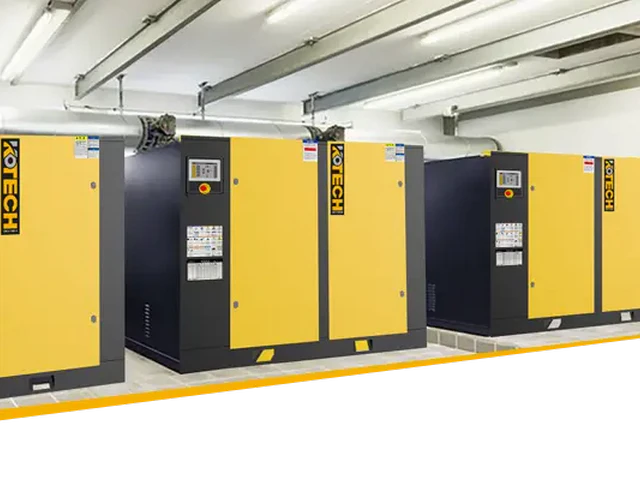
Unlocking Efficiency: The Future of Compressed Air in Mining
Compressed air technology has long been the unsung hero beneath the surface, a fundamental power source for countless mining applications. Yet, in today’s demanding operational landscape, merely providing power isn’t enough. Mines face immense pressure to cut costs, enhance safety, and shrink their carbon footprint. This intense scrutiny has pushed compressed air systems past simple utility status, transforming them into sophisticated, data-driven assets.
Here are the key insights into modern compressed air technology for mining:
- Variable Speed Drive (VSD) Systems: Precisely matching air demand significantly reduces power waste and operational expenses.
- Advanced Filtration & Air Treatment: Ensuring higher air quality extends equipment lifespan and improves process reliability.
- Predictive Maintenance Protocols: AI-driven insights anticipate failures, minimizing costly unplanned downtime.
- Remote Monitoring & Automation: Enhances safety by reducing human exposure in hazardous underground environments.
The Evolving Role of Compressed Air in Modern Mining
The days of simply running a compressor until it failed are long gone. Modern mining demands reliability, efficiency, and intelligence from every piece of equipment, and compressed air systems are no exception. We’re talking about a fundamental shift from reactive maintenance to proactive optimization, driven by sensors, data, and connectivity. This evolution addresses critical pain points: escalating energy costs, the imperative for worker safety, and the need for consistent operational uptime.
Operators are no longer just looking for a robust air supply; they need a smart energy partner. This means systems that can adapt to fluctuating demand, communicate their health status, and even self-diagnose potential issues. The industry has moved on, and so should their pneumatic infrastructure.
Driving Efficiency: Data-Backed Innovations
The push for efficiency in mining is relentless, and compressed air systems are a prime target for optimization.
This trend underscores the critical need for advanced, energy-saving compressed air solutions in mining. These units precisely match motor speed to air demand, eliminating the significant energy waste associated with traditional fixed-speed compressors that often run unloaded.
Beyond VSDs, intelligent control systems are proving invaluable.
Smart Integration: The Path to Operational Excellence
Integration is the buzzword, and for good reason. Modern compressed air systems are no longer isolated units. They are becoming integral parts of a mine’s broader digital ecosystem, feeding data into centralized control rooms and predictive analytics platforms. This connectivity is vital for operational excellence.
Imagine a scenario where a compressor reports an abnormal vibration pattern, and the system automatically cross-references it with production schedules and maintenance logs. This isn’t science fiction; it’s happening. Sensor data, analyzed by machine learning algorithms, can predict component failure before it occurs, allowing for scheduled maintenance during planned downtime rather than disruptive emergency repairs. This predictive capability significantly boosts overall equipment effectiveness (OEE).
This indicates a clear industry trend towards smarter, interconnected infrastructure.
Beyond the Hype: When Advanced Systems Aren’t the Answer
Implementing the most advanced, fully automated system might not be the optimal solution for every mining operation. For instance, smaller, remote exploration sites with intermittent air demand and limited infrastructure might find the upfront cost and complexity of a highly integrated VSD system prohibitive.
In such cases, robust, simpler fixed-speed compressors with efficient air receivers and well-managed demand-side controls could be more cost-effective. The key lies in a thorough assessment of specific operational needs, existing infrastructure, and long-term strategic goals. Over-engineering a solution can lead to unnecessary capital expenditure and maintenance complexity that outweighs the potential efficiency gains. Only when the operational scale, energy costs, and the critical nature of uptime justify the investment do these advanced systems truly shine.
Implementing Next-Gen Compressed Air Systems
Transitioning to advanced compressed air technology requires a strategic approach. It’s not just about buying new hardware; it’s about rethinking your entire pneumatic infrastructure and maintenance philosophy.
- Conduct a Comprehensive Air Audit: Start by understanding your current air demand, pressure requirements, and leakage points. Many operations waste significant energy through leaks alone.
- Prioritize Energy Efficiency: Invest in VSD compressors where demand fluctuates. Consider heat recovery systems to capture waste heat for other mine processes, like heating wash water or ventilation.
- Embrace Digitalization: Implement IoT sensors and a robust monitoring platform. This provides the data needed for predictive maintenance and continuous optimization.
- Train Your Workforce: New technology requires new skills. Invest in training for operators and maintenance personnel to maximize the benefits of intelligent systems.
- Partner with Experts: Work with compressed air specialists who understand mining environments. Their expertise can guide system design, installation, and ongoing support.
The future of mining is intelligent, and compressed air technology is evolving right alongside it. By embracing these innovations, mining companies can unlock significant operational savings, improve safety, and build a more resilient infrastructure.





