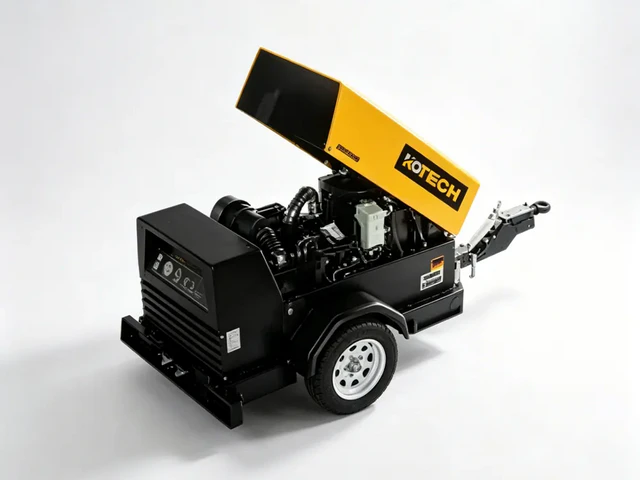
The Green Imperative: Low-Emission Air Compressors Redefining Mining Operations
- Regulatory pressure and investor demands make low-emission solutions non-negotiable.
- Electrified and smart compressor systems offer significant operational cost savings and reduced environmental impact.
- Transitioning requires a holistic assessment, pilot programs, and strong vendor partnerships.
- Ignoring this shift risks higher operational costs, non-compliance, and reputational damage.
The push for low-emission mining air compressors isn’t just a trend; it’s a fundamental shift in how we operate. Frankly, if you’re still relying solely on old-school, diesel-guzzling units, you’re not just missing out on efficiency, you’re actively putting your operation at a competitive disadvantage and facing increased regulatory scrutiny. The core judgment here is clear: adopting eco-conscious air compression is now critical for both financial health and long-term sustainability in mining.
The Unavoidable Shift Towards Sustainable Mining
For years, the mining industry has grappled with its environmental footprint. Air compressors, often the unsung heroes of a mine site, are also significant energy consumers and, in their traditional diesel forms, considerable emitters. The pressure to reduce greenhouse gas (GHG) emissions and improve air quality isn’t just coming from environmental groups anymore. It’s coming from investors, governments, and even local communities. Ignoring this shift is no longer an option. Companies that embrace low-emission solutions are seeing benefits beyond just compliance; they’re realizing operational savings and enhancing their brand reputation, which, believe me, matters more than ever.
Driving Factors: Data & Regulations Shaping Compressor Choices
The move to low-emission compressors isn’t happening in a vacuum. It’s driven by hard data and evolving regulatory landscapes.
Energy Costs and Carbon Footprint: A Dual Pressure
Energy consumption is a massive operational cost for mines. Air compressors typically account for a significant portion of a mine’s overall electricity usage. A substantial chunk of that goes into powering equipment like air compressors. Transitioning to energy-efficient, low-emission models directly impacts the bottom line.
Regulatory Landscape: Compliance and Competitive Edge
Governments worldwide are tightening emission standards for industrial operations. The European Union’s Green Deal, for example, sets ambitious targets for decarbonization across all sectors. In North America, state and federal regulations are increasingly pushing for cleaner industrial practices. Non-compliance isn’t just a slap on the wrist; it can mean hefty fines, operational shutdowns, and severe reputational damage. Beyond mere compliance, adopting low-emission technology offers a competitive edge.
Beyond Diesel: Technologies Powering Eco-Friendly Air Compression
The good news is that technology has caught up with the demand. There are compelling alternatives to traditional diesel-powered compressors that offer both performance and environmental benefits.
Electric Compressors: The Workhorse of Modern Green Mines
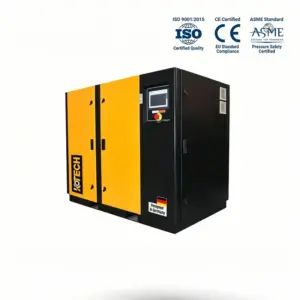
Electric air compressors, particularly those with variable speed drive (VSD) technology, are the cornerstone of low-emission mining. They produce zero direct emissions at the point of use. When powered by renewable energy sources, their overall carbon footprint becomes almost negligible. Their efficiency is unmatched, adjusting power consumption to meet demand rather than running at full throttle constantly. This dramatically reduces energy waste. Many mines are already electrifying their fleets, and compressors are a natural fit for this transition.
Hydrogen & Hybrid Solutions: Emerging Frontiers
While still in earlier stages of adoption, hydrogen-powered compressors are gaining traction as a truly zero-emission solution. These systems use hydrogen fuel cells to generate electricity, with water as the only byproduct. For remote mine sites where grid power is unreliable or unavailable, and renewable hydrogen production is feasible, this represents a significant leap forward. Hybrid systems, combining electric with a smaller, highly efficient internal combustion engine for peak loads or backup, also offer a transitional pathway.
Smart Controls & Predictive Maintenance: Optimizing Efficiency
Beyond the power source, advanced control systems and IoT-enabled predictive maintenance are crucial for maximizing the efficiency of any compressor, low-emission or not. These systems monitor performance in real-time, identify potential issues before they cause downtime, and optimize operation based on demand fluctuations. This translates to less wasted energy, longer equipment lifespan, and reduced maintenance costs—all contributing to a more sustainable and cost-effective operation.
When Low-Emission Isn’t the Immediate Answer: Boundary Conditions
While the benefits are clear, it’s important to acknowledge that a full transition to low-emission compressors isn’t always a flip-of-a-switch scenario. For extremely remote sites with no access to grid power or renewable energy infrastructure, and where the logistics of hydrogen supply are prohibitive, traditional diesel units might still be the only viable immediate option. However, even in these cases, operators should be looking at the most fuel-efficient diesel models available, exploring hybrid solutions, or investing in mobile renewable energy generators to power ancillary equipment. Furthermore, the upfront capital expenditure for new, advanced low-emission systems can be substantial. This means a careful financial analysis and a phased approach are often necessary, especially for smaller operations. It’s not about ignoring the green shift, but about strategically planning for it within your specific operational constraints.
Implementing a Green Compressor Strategy: Practical Steps
Making the switch to low-emission air compressors requires a methodical approach. Based on our years in the field, these are the steps that yield the best results.
Assessing Your Current Fleet & Energy Profile
Start with a comprehensive audit of your existing air compression system. Understand its age, efficiency ratings, maintenance history, and actual energy consumption. Where are the leaks? Where is the wasted energy? What’s the real cost of keeping that old diesel unit running? This baseline assessment is critical for identifying the biggest opportunities for improvement and for building a strong business case.
Pilot Programs & Scalable Upgrades
Don’t try to overhaul everything at once. Identify a section of your mine or a specific application where a low-emission compressor could have a measurable impact. Implement a pilot program. This allows you to test the technology, gather real-world data on performance and savings, and iron out any kinks before a broader rollout. Once validated, you can scale upgrades systematically, replacing older, less efficient units with new low-emission models as they reach end-of-life.
Vendor Partnerships & Lifecycle Support
Choosing the right equipment is only half the battle. Partner with reputable manufacturers and service providers who understand the nuances of low-emission technology and the specific demands of mining. Look for vendors who offer comprehensive lifecycle support, including installation, training, maintenance, and spare parts. A strong partnership ensures your investment delivers its promised benefits over the long term.
The imperative for low-emission mining air compressors is undeniable. It’s a strategic move that addresses environmental responsibility, operational efficiency, and long-term financial viability. The technology is here, the data supports it, and the industry demands it. For any eco-conscious mining operation, the question isn’t whether to adopt these solutions, but how quickly and effectively you can integrate them.