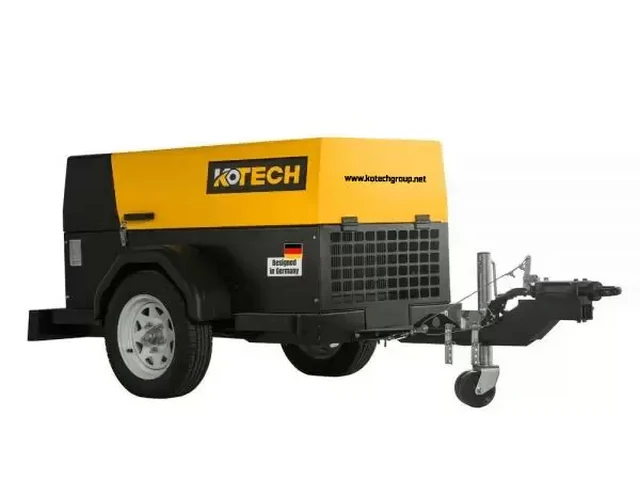
Mining Compressors: Global Performance & Profitability
In the world of mining, where margins are tight and operational uptime is king, the performance of your compressed air system isn’t just a detail—it’s a make-or-break factor.
Here are the key insights we’ll unpack:
- Optimizing compressed air systems directly impacts operational efficiency and bottom-line profitability in mining.
- Reliability in extreme environments is non-negotiable, demanding robust, purpose-built compressor solutions.
- Energy consumption from compressed air is a major cost center; efficiency upgrades offer significant ROI.
- Predictive maintenance and digital integration are transforming compressor uptime and reducing unexpected failures.
- ESG factors increasingly influence equipment selection, driving demand for quieter, more sustainable compressor technologies.
The Unseen Powerhouse: Why Your Compressor Strategy Defines Mining Success
Every drill bit that turns, every pneumatic tool that operates, every ventilation system that clears the air in a deep mine relies on compressed air. It’s the silent workhorse. Yet, it’s often an afterthought until something goes wrong. When a compressor goes down, it’s not just one piece of equipment that stops; it can halt an entire production line, leading to massive financial losses and safety hazards. Your choice of industrial air compressor directly impacts everything from drilling speeds to material handling efficiency. Getting it right means fewer bottlenecks and more ore moved.
Mining operations are inherently complex. They span vast geographical areas, from scorching deserts to frozen tundras, requiring equipment that performs consistently regardless of external factors. This isn’t a factory floor; it’s a dynamic, often hostile environment where dust, vibration, and extreme temperatures are the norm. The compressor you choose must be engineered to survive these conditions, not just operate in them.
The Cost of Inefficiency: Hard Data from the Mine Face
The financial implications of an outdated or poorly maintained compressed air system are staggering. Energy consumption is often the largest operational cost component.
This growth signals increasing demand and competition, placing even greater pressure on operational efficiency. Mines are looking for every advantage they can get. Investing in a high-efficiency mining air compressor isn’t just an expense; it’s a strategic move to reduce energy bills and enhance productivity.
Reliability also translates directly to cost. Unplanned downtime can cost mines hundreds of thousands, even millions, of dollars per day, depending on the scale of operations. A recent PwC’s Mine 2023 report highlighted that operational resilience and cost control remain top priorities for mining executives globally. This means avoiding unexpected failures at all costs, especially for critical infrastructure like compressed air.
Beyond the Spec Sheet: Real-World Performance & Operational Resilience
It’s one thing for a compressor to look good on paper, another entirely for it to perform flawlessly for years in a remote open pit or deep underground. Our experience has shown that the true test comes in the field. This is where those case studies become invaluable, demonstrating how companies tackled specific challenges.
Adapting to Extremes: High-Altitude & Remote Site Challenges
Take, for instance, a copper mine in the Andes, operating at over 15,000 feet. The thin air significantly impacts compressor performance, demanding specialized units designed for high-altitude operation. Standard compressors simply won’t cut it; they’ll struggle with reduced output and increased wear. A bespoke solution, often involving variable speed drive (VSD) technology and robust cooling systems, ensures consistent air delivery for crucial drilling and ventilation tasks. This isn’t just about power; it’s about intelligent adaptation.
Similarly, remote iron ore operations in Western Australia face extreme heat and dust. Here, advanced filtration systems and heavy-duty enclosures are paramount to protect internal components. Downtime in such isolated locations is incredibly expensive due to logistics challenges. The case studies from these sites consistently show that investing in superior filtration and robust build quality pays dividends by minimizing maintenance interventions and extending equipment lifespan.
Energy Efficiency: A Mandate, Not an Option
The push for energy efficiency isn’t new, but it’s intensified. Many mines are now mandated to reduce their carbon footprint. Electrification of mining equipment, including compressors, is gaining traction. VSD compressors, for example, adjust their motor speed to match air demand, significantly reducing energy waste compared to fixed-speed units.
When Standard Solutions Fall Short: Recognizing Unique Mining Demands
It’s crucial to understand that a “one-size-fits-all” approach rarely works in mining. A compressor perfectly suited for a surface coal mine might be completely inadequate for an underground hard rock operation. The specific application—whether it’s powering jackhammers, operating ventilation doors, or supporting critical safety systems—dictates the type, size, and features required. For example, oil-free compressors are often preferred in sensitive underground environments to prevent air contamination, a consideration less critical in some surface applications.
Moreover, the regulatory landscape for noise and emissions varies significantly across regions. What’s acceptable in one country might be strictly prohibited in another. This means your compressor strategy must be flexible and adaptable, often requiring custom configurations or specific certifications. This isn’t just about compliance; it’s about being a responsible operator.
Actionable Insights: Optimizing Your Compressed Air Ecosystem
So, what does this mean for mine operators looking to optimize their compressed air systems? Practical, executable steps are key.
Predictive Maintenance & Digital Integration
The future of compressor management lies in smart technology. Integrating IoT sensors and predictive analytics allows mines to monitor compressor health in real-time, anticipate failures, and schedule maintenance proactively. This shifts from reactive repairs to strategic upkeep, drastically reducing unexpected downtime. Remote monitoring capabilities are particularly valuable for isolated sites, enabling technicians to diagnose issues without being physically present.
Right-Sizing for Specific Applications
Avoid over-sizing or under-sizing your compressors. An oversized unit wastes energy cycling unnecessarily, while an undersized unit struggles to meet demand, leading to pressure drops and reduced tool efficiency. Conduct a thorough air audit to accurately assess your current and future air demand, factoring in expansion plans and peak usage times. This might sound basic, but it’s a step often overlooked, leading to significant inefficiencies.
ESG Compliance & Sustainable Operations
As environmental, social, and governance (ESG) factors become more central to mining investment and public perception, selecting compressors with lower noise levels, reduced emissions, and higher energy efficiency is no longer optional. Look for technologies that minimize oil carryover, reduce energy consumption, and offer extended service intervals, contributing to a smaller environmental footprint. We’re seeing more and more tenders specifically asking for these details.
Navigating Vendor Selection & Long-Term Support
Choosing a compressor vendor isn’t just about the initial purchase price. It’s about a long-term partnership. Assess a vendor’s ability to provide comprehensive after-sales support, spare parts availability, and technical expertise, especially for specialized mining applications. A strong service network, even in remote locations, is invaluable. A reliable service agreement can be the difference between a minor hiccup and a costly operational standstill.
Ultimately, the success stories in mining compressor deployment share a common thread: a deep understanding of operational demands, a commitment to energy efficiency, and a strategic investment in robust, reliable technology. These aren’t just machines; they are vital arteries powering the global mining industry.