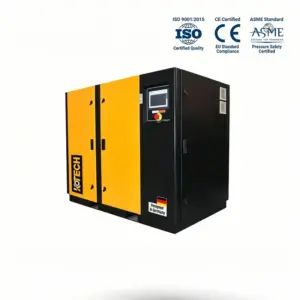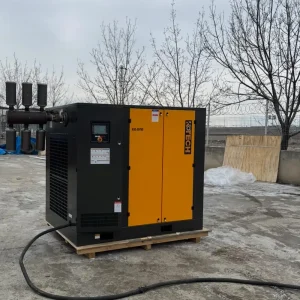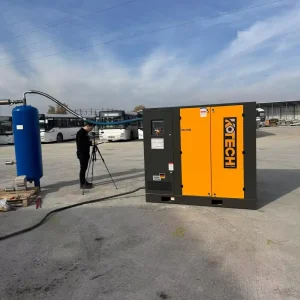
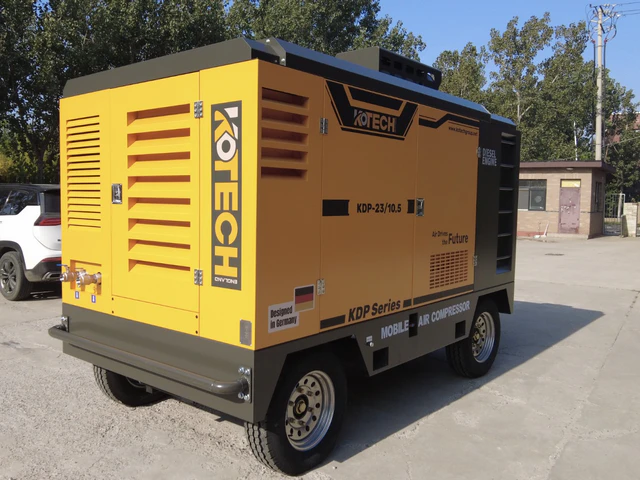
Unlocking Automotive Production Excellence with Two-Stage Air Compressor Technology
In automotive manufacturing, reliable, high-pressure compressed air isn’t just a utility; it’s the lifeblood of production. Two-stage air compressors deliver the consistent performance and energy efficiency critical for maintaining quality and throughput across demanding applications, from robotic welding to precision painting. This isn’t just about moving air; it’s about powering precision, ensuring safety, and driving down operational costs across the entire vehicle production line.
Why Two-Stage Compressors Dominate Automotive Manufacturing
The automotive sector demands a relentless supply of high-quality compressed air. Single-stage compressors often struggle to meet these rigorous requirements efficiently, especially under continuous, heavy loads. Two-stage units, by compressing air in two steps, achieve higher pressures with less energy input and operate at cooler temperatures. This design translates directly into several key advantages for automotive facilities. They provide a more stable air supply, crucial for sensitive pneumatic tools and automated systems, which frankly, is where most cost savings are realized in the long run.
Enhanced Efficiency and Pressure Stability
Modern automotive plants rely on precise air pressure for everything from robotic arm movements to paint atomization. A two-stage compressor’s design inherently offers greater volumetric efficiency. This means it can produce more air volume at a given pressure for the same amount of input power compared to a single-stage unit. The result? A more stable and consistent air supply that prevents pressure drops, which can cause costly interruptions or quality issues in critical processes.
Extending Equipment Lifespan and Reducing Downtime
Operating at lower internal temperatures, two-stage systems experience less thermal stress on components. This reduced heat load significantly extends the lifespan of the compressor itself and its internal parts. For an automotive facility where downtime can cost thousands of dollars per minute, this reliability is paramount. Less wear and tear also means fewer unexpected breakdowns, contributing to higher uptime and predictable maintenance schedules.
The Economic Imperative: Data-Driven Decisions
Choosing the right compressed air system is fundamentally an economic decision disguised as an engineering one. The initial purchase price is often a drop in the bucket compared to the lifetime operating costs, particularly energy consumption.
Energy Savings: A Game Changer
Two-stage compressors, especially those integrated with Variable Speed Drive (VSD) technology, offer substantial energy savings. A VSD two-stage compressor can adjust its motor speed to match demand, avoiding the inefficient load/unload cycles of fixed-speed units.
Mitigating Quality Control Issues and Scrap Rates
In a paint shop, even minor fluctuations in air pressure or contaminants can lead to defects, requiring costly rework or even scrapping entire parts. The consistent, higher-quality air delivered by two-stage compressors, when paired with robust air treatment (filters, dryers), minimizes these risks. Investing in superior air compression technology directly reduces these hidden costs.
Core Applications Across Automotive Production Lines
The versatility of advanced compressed air solutions makes them indispensable across the entire automotive manufacturing process. From the initial stamping to final vehicle assembly, reliable air power is a non-negotiable requirement.
Body Shop Operations
In the body shop, pneumatic tools are used extensively for welding, grinding, and fastening. High-pressure air powers robotic welders and material handling systems, where precision and repeatability are critical. A stable air supply ensures consistent weld quality and efficient assembly, directly impacting structural integrity.
Paint Shop: The Quality Gate
This is arguably where air quality and consistency matter most. Two-stage compressors feed dry, clean air to spray guns, robotic painting systems, and curing ovens. Any moisture or particulate matter can ruin a paint job, leading to costly reworks. The consistent pressure from these systems ensures even paint application and optimal atomization, which is essential for a flawless finish.
Assembly Line and Final Finishing
From powering torque wrenches and impact drivers to operating conveyor systems and pneumatic clamps, compressed air is central to the assembly line. Precision tools require steady pressure to ensure fasteners are tightened correctly, preventing costly recalls. Air blow-off systems also play a role in cleaning parts before final inspection, ensuring cosmetic quality.
The Pitfalls: When Two-Stage Might Not Be the Only Answer
While two-stage compressors offer compelling advantages, they aren’t a universal panacea. For very small, intermittent applications with minimal air demand, a smaller, single-stage unit might suffice initially. For example, a small R&D lab with only occasional pneumatic tool use might not justify the higher upfront capital expenditure of a two-stage system. However, even in these niche cases, if future expansion is planned, or if the quality of air becomes critical, a two-stage system quickly becomes the more prudent long-term choice.
Practical Implementation: Optimizing Your System
Implementing or upgrading a compressed air system requires careful planning beyond just picking a compressor. A holistic approach focusing on system design, maintenance, and monitoring is crucial for maximizing benefits.
Comprehensive System Audits
Before any investment, conduct a thorough compressed air audit. This identifies actual air demand, leaks, inefficiencies, and potential areas for improvement. Understanding your true air consumption patterns is the first step to proper sizing and selection. Frankly, many plants are running oversized or undersized systems, both of which are costly.
Air Treatment and Distribution
A two-stage compressor is only as good as the air treatment and distribution system it feeds. Investing in high-quality dryers (refrigerated or desiccant), filters, and condensate management is non-negotiable for automotive applications, especially in paint shops. Proper piping (e.g., aluminum or stainless steel) with minimal bends and correct sizing prevents pressure drops and ensures clean air delivery to every point of use.
Integration with Smart Monitoring and VSD Technology
Pairing a two-stage compressor with VSD technology is a no-brainer for automotive plants with fluctuating demand. Beyond VSD, integrating smart monitoring systems allows for real-time data analysis on pressure, flow, and energy consumption. This proactive approach enables predictive maintenance, identifies anomalies, and optimizes system performance dynamically, driving continuous improvements in efficiency.
Conclusion: A Strategic Investment for Automotive Excellence
The adoption of two-stage air compressors in automotive manufacturing is more than just a technical upgrade; it’s a strategic investment in operational efficiency, product quality, and long-term profitability. By delivering superior pressure stability, significant energy savings, and extended equipment lifespan, these advanced compressed air solutions directly address critical pain points faced by manufacturers. Embracing these systems, coupled with smart design and proactive maintenance, positions automotive plants for sustained success in a highly competitive global market.