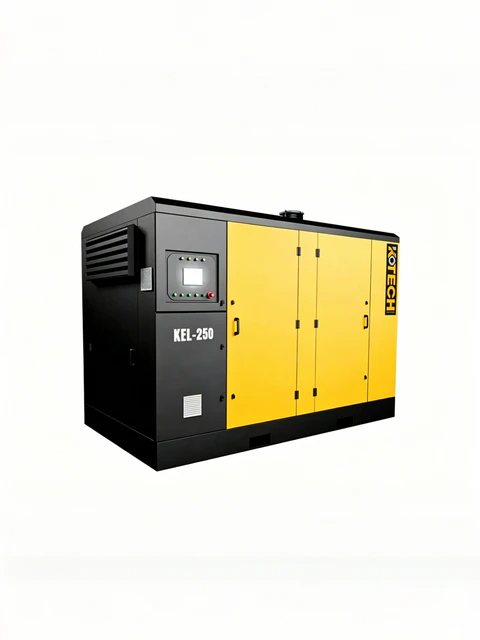
Selecting and Maintaining All-Weather Portable Diesel Air Compressors for Uninterrupted Mining Operations
For mining operations, the reliability of your air compression system isn’t just a convenience; it’s a fundamental requirement for productivity and safety. All-weather portable diesel air compressors are the workhorses that power everything from drilling rigs to ventilation systems, often operating in the most unforgiving environments on Earth. Selecting the wrong unit can lead to catastrophic downtime, jeopardizing project timelines and budget.
Why All-Weather Portable Diesel Air Compressors Are Non-Negotiable in Mining
The core function of a portable diesel air compressor in mining is to provide consistent, high-pressure air wherever and whenever it’s needed, regardless of conditions. This isn’t about luxury; it’s about necessity. Mines operate 24/7, across vast, often remote territories, encountering everything from sub-zero temperatures to scorching desert heat, torrential rain, and pervasive dust. A standard commercial compressor simply won’t cut it. These specialized units are engineered from the ground up to endure, delivering the pneumatic power essential for rock drilling, blasting, material handling, and even emergency ventilation.
Downtime in mining is notoriously expensive. Every hour lost due to equipment failure translates directly into missed production targets and escalating operational costs. A robust, all-weather compressor minimizes this risk, ensuring continuous operation even when the elements conspire against you. We’re talking about units designed for extreme temperatures, high altitudes, and corrosive atmospheres.
The Harsh Reality: Data Driving Demand for Robust Air Solutions
The economic impact of unreliable equipment is stark.
Furthermore, the global market for portable air compressors in the industrial and construction sectors, which heavily includes mining, is projected to grow significantly. Miners aren’t just buying any compressor; they’re investing in solutions built for the specific challenges of their sites.
Safety, another paramount concern, is also impacted by equipment reliability. The Mine Safety and Health Administration (MSHA) 2022 data consistently links equipment maintenance and reliability to incident rates. Equipment failures, especially in critical systems like air supply, can lead to serious safety hazards. Investing in all-weather, high-durability compressors is a direct investment in worker safety, reducing the likelihood of malfunctions that could put lives at risk.
Engineering for Extremes: Core Features That Deliver Performance
What truly defines an “all-weather” portable diesel air compressor for mining? It boils down to a suite of specialized features designed to combat the elements and optimize performance in challenging conditions.
- Heavy-Duty Enclosures: These units feature robust, often galvanized or powder-coated steel enclosures that resist corrosion from moisture, chemicals, and abrasive dust. Acoustic insulation also helps reduce noise, a significant factor in mine safety regulations.
- Advanced Filtration Systems: Multi-stage air intake filters are essential to prevent dust and particulate matter from entering the engine and compressor block, extending component life dramatically. Fuel filters with water separators are equally critical to protect the diesel engine from contamination.
- Temperature Management: Specialized cooling systems, often oversized radiators and intercoolers, ensure optimal operating temperatures in extreme heat. For cold weather, pre-heating systems, including block heaters and battery blankets, facilitate reliable starts in sub-zero conditions.
- Rugged Undercarriage and Suspension: Mining terrain is unforgiving. These compressors come with heavy-duty axles, larger tires, and reinforced frames designed to withstand constant vibration, shocks, and uneven ground during transport across mine sites.
- Intuitive Controls and Telematics: Modern units offer user-friendly control panels, often with digital displays, providing real-time operational data. Increasingly, integrated telematics allow for remote monitoring of performance, fuel levels, and diagnostic alerts, enabling proactive maintenance from a central control room.
When Standard Solutions Fall Short: A Look at Common Pitfalls
Many operations, especially those with tighter initial budgets, might be tempted to opt for a standard industrial-grade portable compressor. Frankly, this is where many operations stumble. While a general-purpose unit might function for a short period in mild conditions, it will inevitably succumb to the rigors of a mining environment. The lack of proper dust sealing will lead to premature engine wear. Insufficient cooling will cause overheating in summer. Without adequate cold-start aids, winter operations become a nightmare of delays.
The immediate cost savings are quickly dwarfed by increased maintenance, frequent breakdowns, and the astronomical cost of operational downtime. A standard compressor typically lacks the reinforced chassis, specialized filtration, and advanced temperature management systems that are inherent to mining-grade equipment. It’s a false economy that almost always results in greater long-term expense and frustration.
Selecting Your Next Workhorse: A Practical Guide for Mine Operators
Choosing the right all-weather portable diesel air compressor requires careful consideration beyond just CFM and PSI. Here’s a practical approach:
- Assess Your Air Demand Accurately: Don’t guess. Calculate the combined CFM and PSI requirements of all pneumatic tools and systems that will run simultaneously. Always factor in a buffer for future expansion or unexpected demands.
- Consider Environmental Extremes: What are the typical and extreme temperature ranges, humidity levels, and dust concentrations at your mine site? Ensure the compressor you select is explicitly rated for these conditions. This is not a place for compromise.
- Evaluate Fuel Efficiency: Look for models equipped with modern, Tier 4 Final or equivalent engines that offer advanced fuel management systems. Engine idle control and variable speed technologies can significantly reduce diesel consumption over the unit’s lifespan.
- Prioritize Serviceability: In remote locations, ease of maintenance is paramount. Check for readily accessible service points, clear diagnostic indicators, and common, easily replaceable parts. A unit that takes hours to service will eat into your uptime.
- Manufacturer Reputation and Support: Invest in brands with a proven track record in the mining sector. Evaluate their local dealer network, parts availability, and technical support. Good support can be the difference between a quick fix and weeks of waiting.
Based on our experience, the initial capital outlay for a truly robust all-weather unit is an investment that pays dividends in reliability, safety, and ultimately, profitability.
Maintaining Peak Performance: Best Practices for Longevity
Even the toughest compressor needs diligent care. Adhering to a strict maintenance schedule is crucial for maximizing the lifespan and efficiency of your all-weather units.
- Regular Filter Checks and Replacement: Air, oil, and fuel filters are your first line of defense against contaminants. In dusty mining environments, these may need to be checked and replaced more frequently than the manufacturer’s recommended intervals.
- Fluid Analysis: Periodically analyzing engine oil and compressor fluid can detect early signs of wear or contamination, allowing for proactive intervention before major failures occur.
- Cooling System Integrity: Keep radiators clean and free of debris. Ensure coolant levels are correct and the system is free of leaks. Overheating is a major cause of engine damage.
- Undercarriage Inspection: Regularly inspect tires, axles, and the frame for damage from rough terrain. Proper tire pressure is also vital for stability and longevity.
- Wiring and Electrical Systems: Check for frayed wires, loose connections, and corrosion, especially in areas exposed to moisture.
Future-Proofing Your Fleet: Emerging Trends in Air Compression Technology
The industry isn’t standing still. We’re seeing exciting advancements that will further enhance the capabilities of all-weather portable diesel air compressors for mining.
- Hybrid and Electric Options: While diesel remains dominant for remote, heavy-duty applications, hybrid diesel-electric models are gaining traction for reduced emissions and fuel consumption in certain scenarios. Fully electric portable units are emerging, though their range and power capacity are still evolving for mining’s extreme demands.
- Advanced Telematics and Predictive Maintenance: Integration with IoT platforms is becoming standard, offering real-time data analytics, GPS tracking, and predictive maintenance alerts. This allows operators to anticipate failures and schedule maintenance precisely, minimizing unplanned downtime.
- Enhanced Noise Reduction: Ongoing research and development are focused on further reducing the operational noise levels of these powerful machines, contributing to a safer and more compliant work environment.