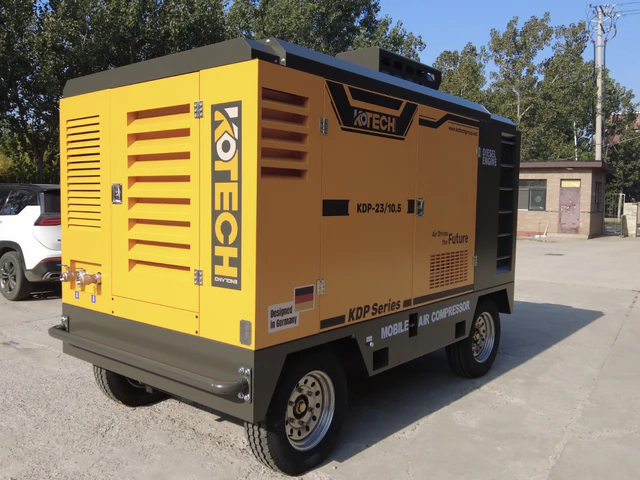
Optimizing Mining Operations with Advanced Air Compression Technology
- Energy efficiency isn’t optional; it’s a make-or-break factor for mining profitability.
- Uptime dictates productivity, making robust, reliable compressed air critical.
- Precision pressure delivery is crucial for specific mining tasks, not just raw power.
- Ignoring advanced air compressor technology means conceding a competitive edge.
Why High-Pressure, High-Efficiency Units Are Non-Negotiable
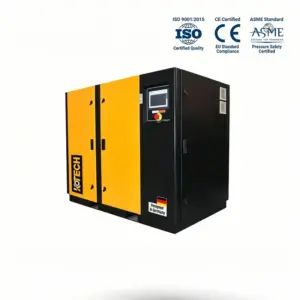
The reality on a mine site is brutal: dust, extreme temperatures, and relentless demand. In this environment, compressed air isn’t just a utility; it’s the lifeblood powering everything from rock drills to ventilation systems. Standard industrial compressors, frankly, buckle under this pressure. What we’ve seen over the past decade is a clear shift: high-pressure, high-efficiency air compressors have moved from niche solutions to indispensable assets. These units are engineered to deliver consistent, elevated PSI ratings required for deep-hole drilling and robust pneumatic tools, all while minimizing the energy drain that can cripple a mine’s operating budget.
The Financial Imperative: Energy Costs and Operational Efficiency
Energy consumption is often the single largest operational cost in mining, and air compressors are notorious power hogs. The International Energy Agency (IEA) reported in 2023 that industrial motor systems, which include compressors, consume over half of the world’s electricity. This isn’t just a number; it’s a direct hit to your bottom line. High-efficiency units, especially those equipped with Variable Speed Drive (VSD) technology, address this head-on. The upfront investment in a high-efficiency unit pays dividends rapidly through reduced energy expenditure and a lower total cost of ownership (TCO).
Beyond Energy: Uptime and Productivity
Downtime in mining is catastrophic. A single hour of lost production can cost a large-scale mine tens of thousands, sometimes hundreds of thousands, of dollars. Reliable compressed air systems are fundamental to maintaining continuous operation. High-pressure units are built with more robust components, designed to withstand the severe conditions of a mine site. This inherent durability translates directly into higher uptime and fewer unexpected breakdowns. When a core piece of equipment like an air compressor fails, the ripple effect on drilling, hauling, and processing can bring an entire operation to a grinding halt.
Precision Power: Matching Air Delivery to Mining Demands
Mining operations aren’t homogenous. A surface mine requiring air for dust suppression has vastly different needs than an underground operation drilling blast holes at significant depths. This is where the “high-pressure” aspect becomes critical. Deep-hole drilling, for instance, requires sustained pressures often exceeding 200 PSI to effectively clear rock cuttings and drive percussion tools. Standard industrial compressors typically max out around 125-175 PSI, which is simply insufficient for these specialized tasks, leading to slower drilling rates and increased wear on equipment.
Optimizing Airflow for Specific Applications
Selecting the right compressor isn’t just about pressure; it’s about matching cubic feet per minute (CFM) or liters per second (L/s) to the actual demand of the tools and processes. Over-specifying CFM wastes energy, while under-specifying leads to tool underperformance and increased cycle times. Modern high-efficiency systems often incorporate advanced control logic and remote monitoring capabilities, allowing operators to precisely manage airflow and pressure. This level of granular control ensures that energy is only expended when and where it’s needed, further contributing to efficiency gains. It’s a tough pill to swallow, but sometimes the upfront cost of a highly specialized unit is dwarfed by the long-term savings from optimized performance.
Beyond the Specs: When Standard Units Fall Short
While high-pressure, high-efficiency compressors are generally superior for mining, it’s crucial to understand their specific application boundaries. These units are not a universal panacea. For instance, a small-scale quarry operation primarily using compressed air for basic hand tools and minimal dust control might find the initial investment and complexity of a top-tier high-pressure, VSD unit to be overkill. In such cases, a robust, fixed-speed industrial compressor might suffice, provided its efficiency rating is still respectable and its maintenance requirements are manageable.
The critical distinction lies in the operational intensity and specific pressure requirements. If your mine consistently demands over 150 PSI for extended periods, or if your energy costs are a significant proportion of your budget, then the argument for specialized high-pressure, high-efficiency units becomes overwhelmingly strong. Conversely, if your air demand is intermittent and low-pressure, a high-pressure unit will still consume more energy than necessary due to its design. Only when the operational demands align with the unit’s capabilities will its full benefits be realized.
Implementing Smart Air Solutions: A Practical Guide
Transitioning to high-pressure, high-efficiency air systems requires strategic planning. Based on our experience, simply replacing an old unit with a new one isn’t enough.
- Prioritize VSD Technology: For operations with fluctuating air demand, VSD compressors are almost always the superior choice for energy savings. The initial cost is higher, but the ROI is typically fast.
- Optimize Air Distribution: Even the best compressor will underperform if the piping system is old, undersized, or riddled with leaks. Invest in proper pipe sizing, quality fittings, and regular leak detection programs.
- Consider Heat Recovery: Air compressors generate a substantial amount of heat. Capturing this waste heat for other mine processes (e.g., heating water or buildings) can further enhance overall energy efficiency.
The Future of Mining Air: Predictive Maintenance and IoT Integration
The next frontier for mining air compressors isn’t just about raw power or efficiency numbers; it’s about intelligence. Imagine a compressor that self-diagnoses potential failures before they occur, orders its own replacement parts, and optimizes its operating parameters in real-time based on geological data or drilling patterns. This isn’t science fiction; it’s becoming standard. These smart systems will further reduce TCO, maximize uptime, and allow mine operators to focus on core activities rather than reactive maintenance.