Unlocking Operational Excellence with Specialized Compressed Air in O&G
When it comes to oil and gas mining and refining, reliable compressed air isn’t just a utility; it’s the lifeblood of critical operations. Downtime in this sector isn’t just costly; it’s a safety hazard and a direct hit to production targets. We’re talking about systems that power everything from pneumatic tools on a drilling rig to precision instrumentation in a refinery control room.
Here are some Key Insights for optimizing your compressed air infrastructure in O&G:
- Reliability is Paramount: Uninterrupted operation is non-negotiable for safety, production, and environmental compliance.
- Air Quality Dictates Performance: Specific applications demand specific air purity standards; ignoring this leads to equipment failure.
- Energy Efficiency Drives Profitability: Compressed air is a major energy consumer; optimizing it directly impacts operational expenditure.
- Hazardous Area Compliance: All equipment must meet strict ATEX/NEC/IECEx standards for explosive environments.
- Proactive Maintenance Wins: Implementing predictive strategies prevents costly, unscheduled shutdowns.
The Critical Role of Compressed Air in O&G Operations
In oil and gas, compressed air isn’t a luxury; it’s an operational imperative. From the upstream exploration and drilling phase to the midstream transportation and the downstream refining processes, pneumatic power and instrument air drive essential functions. Consider drilling operations where compressed air can power hammer drills, provide air for mud mixing, or even assist in well stimulation. In refining, instrument air is crucial for controlling valves, actuators, and various process instrumentation, directly impacting product quality and safety protocols.
Navigating the Unique Demands of O&G Environments
The environments in which oil and gas companies operate are notoriously harsh. Extreme temperatures, corrosive atmospheres, high humidity, and remote locations all put immense stress on equipment. Any compressed air system deployed must be engineered to withstand these conditions while delivering consistent, high-quality air. Failure to account for these factors leads to premature equipment wear, increased maintenance, and, ultimately, costly operational interruptions. Honestly, many operators overlook the true cost of under-spec’d equipment until a critical component fails in the field.
Energy efficiency is no longer just a buzzword; it’s a bottom-line driver.
Furthermore, safety remains a top priority. Reliable instrument air, for instance, is directly linked to the safe operation of emergency shutdown systems and critical process controls.
Choosing the Right Compressor Technology for Your O&G Application
Selecting the appropriate compressor technology is the first crucial step. The choice depends heavily on the specific application, required air quality, flow rates, and environmental conditions.
Rotary Screw Compressors: Workhorses of the Industry
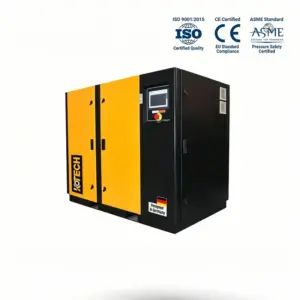
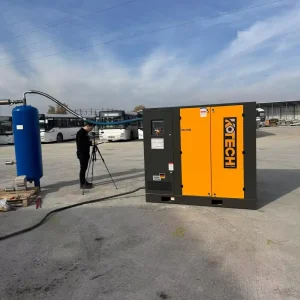
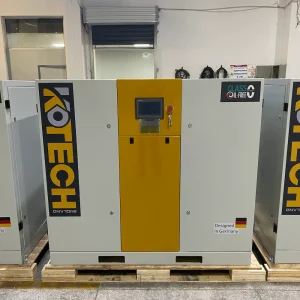
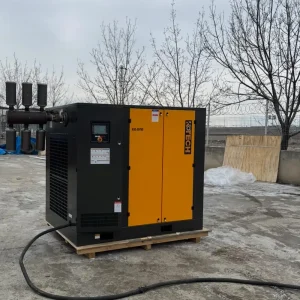
Rotary screw compressors are often the preferred choice for many O&G applications due to their reliability, continuous duty cycle, and relatively low maintenance requirements. They come in both oil-lubricated and oil-free variants. For general utility air, pneumatic tools, and non-critical processes, oil-lubricated screws are a robust, cost-effective option. For applications requiring absolutely oil-free air, such as instrument air or certain process air streams, oil-free rotary screws or centrifugal compressors are essential.
Centrifugal Compressors: High Volume, Oil-Free Performance
When high volumes of oil-free air are needed, particularly in larger refining operations or gas processing plants, centrifugal compressors excel. They offer excellent energy efficiency at full load and deliver completely oil-free air, eliminating the risk of contamination in sensitive processes. However, their efficiency can drop at partial loads, which is a consideration for fluctuating demand.
Reciprocating Compressors: Intermittent or Booster Applications
Reciprocating (piston) compressors are suitable for intermittent demands or as booster compressors to increase pressure for specific applications. While highly durable, their pulsating air delivery and higher vibration levels make them less ideal for continuous, high-volume O&G operations compared to screw or centrifugal types.
Essential Air Treatment for O&G Purity Standards
Raw compressed air is rarely clean enough for O&G applications. It contains moisture, oil aerosols, and particulates that can damage equipment, contaminate products, and compromise safety systems.
Moisture Removal: Dryers are Non-Negotiable
Moisture is the enemy. It causes rust, freezes in cold climates, and can short-circuit instrumentation.
- Refrigerated Dryers: Cost-effective for utility air, achieving dew points around 35-40°F (2-4°C).
- Desiccant Dryers: Essential for instrument air and very cold environments, reaching dew points down to -40°F (-40°C) or even -100°F (-73°C). These are critical for preventing ice formation in pneumatic lines and instruments.
Filtration: Protecting Downstream Equipment and Processes
Proper filtration is vital.
- Particulate Filters: Remove solid contaminants like dust and rust.
- Coalescing Filters: Target oil aerosols and water droplets.
- Activated Carbon Filters: Remove oil vapors and odors, crucial for instrument air and breathing air applications.
Failing to implement multi-stage filtration for instrument air can lead to sticky valves, inaccurate readings, and potential safety system failures.
Safety and Compliance in Hazardous Environments
The O&G sector deals with flammable gases and liquids, making hazardous area classification (e.g., Class I, Division 1 or Zone 1) a critical consideration. All electrical components of a compressed air system, including motors, controls, and sensors, must be rated for the specific hazardous environment they operate in. This often means explosion-proof enclosures, intrinsically safe circuits, and adherence to standards like ATEX, NEC, and IECEx. Overlooking these requirements isn’t just a compliance issue; it’s a catastrophic safety risk.
Energy Efficiency and Cost Reduction Strategies
Given the significant energy consumption, optimizing compressed air systems offers substantial operational expenditure (OpEx) savings.
Variable Speed Drive (VSD) Compressors
VSD compressors adjust their motor speed to match air demand, significantly reducing energy consumption during periods of fluctuating or partial load.
Heat Recovery Systems
The energy lost as heat in a compressor can be recovered and used for other purposes, such as heating water or space heating within a facility. This further enhances overall energy efficiency and reduces the plant’s carbon footprint.
Leak Detection and Repair
Compressed air leaks are a notorious waste of energy. A single 1/8-inch leak can cost hundreds of dollars annually in wasted electricity. Regular leak detection surveys and prompt repairs are low-cost, high-impact strategies for efficiency. From our experience, this is one of the quickest wins for OpEx reduction.
Predictive Maintenance and Remote Monitoring
Unplanned downtime is a killer in O&G. Implementing predictive maintenance strategies, supported by remote monitoring and IoT technologies, can drastically improve reliability.
Sensors and Data Analytics
Modern compressors come equipped with sensors that monitor temperature, pressure, vibration, and energy consumption. This data, when analyzed, can predict potential failures before they occur, allowing for scheduled maintenance rather than reactive repairs.
Remote Monitoring and Control
For remote O&G sites, the ability to monitor and even control compressed air systems from a central location is invaluable. This reduces the need for costly site visits and ensures expert oversight around the clock.
Smart Scheduling and Inventory
With insights from predictive maintenance, operators can optimize maintenance schedules, order parts proactively, and minimize inventory holding costs while ensuring critical spares are available when needed.
Boundary Conditions and Considerations
While these solutions are broadly applicable, specific conditions warrant tailored approaches. For instance, a temporary drilling site in an extremely remote location might prioritize highly portable, robust diesel-driven compressors with minimal electronic components for ease of field repair, even if they’re less energy-efficient than a grid-connected VSD unit. Conversely, a large, permanent refinery will heavily invest in sophisticated, energy-efficient electric systems with advanced controls and robust redundancy. The “best” solution always depends on the exact operational context, regulatory landscape, and long-term strategic goals.
Conclusion: Powering O&G with Precision and Reliability
The oil and gas industry’s relentless pursuit of efficiency, safety, and uninterrupted operation hinges significantly on its compressed air infrastructure. By understanding the unique demands of O&G mining and refining, selecting appropriate technologies, ensuring stringent air quality, prioritizing safety compliance, and embracing advanced maintenance strategies, companies can unlock substantial operational improvements and cost savings. Investing in robust, well-engineered compressed air solutions isn’t merely an expense; it’s a strategic investment in the future reliability and profitability of O&G operations.