Unlocking Remote Potential: The Indispensable Role of Portable Diesel Air Compressors in Off-Grid Mining & Drilling
Operating deep in the backcountry, far from power grids, means every piece of equipment has to pull its weight and then some. For off-grid mining and drilling operations, the portable diesel air compressor isn’t merely an accessory; it’s a foundational asset. Get it wrong, and your entire workflow grinds to a halt.
- Reliability is Non-Negotiable: Downtime in remote locations costs astronomical sums, making robust, dependable diesel compressors paramount.
- Fuel Efficiency Matters: Logistics for diesel in off-grid sites are complex and expensive; optimize for lower consumption.
- Maintenance Simplicity is Key: Equipment must be serviceable with basic tools and readily available parts in the field.
- Right Sizing Prevents Overspending: Matching compressor output (CFM/PSI) to actual demand avoids unnecessary capital expenditure and fuel waste.
- Environmental Durability: Units must withstand extreme temperatures, dust, and vibration inherent to mining and drilling sites.
Why Off-Grid Operations Demand Robust Portable Diesel Air Compressors
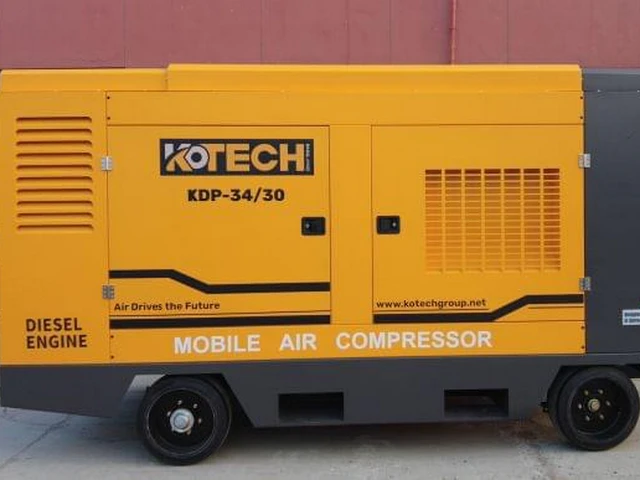
The challenges of off-grid mining and drilling are immense. We’re talking about sites often hundreds of miles from the nearest paved road, let alone a power line. These operations rely heavily on pneumatic tools for rock drilling, blasting, material handling, and even powering site utilities like water pumps or ventilation systems. Without a consistent, powerful air supply, productivity plummets. Portable diesel air compressors provide the self-contained power source necessary to keep these crucial functions running. They bridge the gap where electrical grids simply don’t exist, offering the flexibility to move with the operation as exploration or extraction progresses.
The demand for these units isn’t just about raw power; it’s about resilience. Compressors used in these environments face constant exposure to dust, extreme temperatures, and heavy vibrations. They need to be built to industrial specifications, capable of continuous operation for extended periods without frequent breakdowns. This isn’t a scenario for consumer-grade equipment. We’re looking at heavy-duty chassis, robust engines, and advanced filtration systems designed to protect internal components from the harshest elements.
Furthermore, the safety aspect cannot be overstated. Reliable air power is often critical for emergency systems, ventilation, and even specialized rescue equipment. A failure in the air supply can quickly escalate into a dangerous situation, underscoring the need for truly dependable machinery. This is where experience tells me that cutting corners on quality will always come back to bite you.
A substantial portion of this growth stems from increased exploration and extraction in remote regions, directly driving demand for self-sufficient portable power solutions like diesel air compressors. This isn’t just about new equipment sales; it’s about the ongoing operational costs and efficiencies.
Fuel consumption is a major pain point. Diesel is expensive to transport to remote sites, often requiring specialized logistics and security. According to the U.S. Energy Information Administration (EIA 2024), diesel prices can fluctuate wildly, directly impacting project profitability. Every gallon saved translates directly to the bottom line, especially when you factor in the cost of getting that fuel to site.
Moreover, downtime is crippling. When a critical piece of equipment like an air compressor fails, the ripple effect can halt multiple operations, from drilling to blasting to material handling. Investing in a high-quality, reliable diesel air compressor with readily available parts and straightforward maintenance procedures significantly mitigates this risk. The initial capital outlay for a premium unit is often dwarfed by the potential losses from just a few days of unexpected downtime.
Key Specifications & Considerations for Remote Mining & Drilling
When you’re outfitting an off-grid operation, the devil is in the details for your air compressors. First, consider the CFM (Cubic Feet per Minute) and PSI (Pounds per Square Inch) output. These must match or exceed the requirements of your most demanding pneumatic tools and drilling rigs. Undersizing leads to reduced tool performance and frustrating delays. Oversizing, conversely, means wasted fuel and unnecessary capital expenditure.
Engine reliability is paramount. Look for reputable industrial-grade diesel engines from manufacturers known for their durability and global parts availability. Think Cummins, Caterpillar, or John Deere. These engines are designed for heavy-duty cycles and can withstand the harsh conditions of mining and drilling sites. Furthermore, advanced filtration systems for air intake and fuel are critical. Dust and contaminated fuel are common culprits for engine failure in remote locations. Units with multi-stage filtration protect the engine and compressor block, extending their operational life.
Maintenance access and simplicity are also crucial. In the field, you often don’t have access to sophisticated diagnostic equipment or specialized technicians. A good portable diesel air compressor will have easily accessible service points for oil changes, filter replacements, and routine checks. This minimizes the time required for preventative maintenance and reduces the likelihood of complex field repairs.
Fuel tank capacity is another often-overlooked specification. A larger fuel tank means longer run times between refueling, which is a significant logistical advantage in remote areas where fuel deliveries might be infrequent or difficult. Some models even offer auxiliary fuel tank connections for extended operation. Lastly, consider the physical footprint and maneuverability. These units need to be portable, designed for towing across rugged terrain, and compact enough to fit into tight operational spaces on a drill pad or within a mining site.
When Diesel Isn’t the Only Answer: Boundary Conditions & Alternatives
While portable diesel air compressors are the workhorse for most off-grid mining and drilling, they aren’t a universal solution. There are specific boundary conditions where other options might be more suitable. For instance, in very small-scale, short-term exploration projects with minimal power demands, or where extremely strict environmental regulations prohibit diesel emissions entirely, electric compressors powered by solar arrays or battery banks might be considered. However, this is only viable when the energy storage and generation can reliably meet the peak demands of pneumatic tools, which is often a significant hurdle for high-CFM applications.
Another scenario where diesel might be suboptimal is in extremely confined underground spaces with inadequate ventilation. Here, the exhaust fumes from diesel engines pose a direct health and safety risk. Electric compressors, even if powered by a remote diesel generator on the surface, offer a safer alternative for underground air supply, provided the power cable management is robust. But let’s be honest, for the vast majority of surface-level, high-demand off-grid mining and drilling, diesel remains king due to its unmatched power density, portability, and robust performance in challenging conditions. The logistical headaches of managing large battery banks or extensive solar fields for heavy industrial air requirements often outweigh the benefits in these scenarios.
Maximizing ROI and Uptime: Practical Strategies for Your Fleet
Maximizing the return on investment (ROI) and ensuring maximum uptime for your portable diesel air compressors in off-grid operations boils down to a few critical strategies. First, implement a rigorous preventative maintenance schedule. This isn’t just about changing oil; it’s about daily checks of air filters, fluid levels, belt tension, and hose integrity. Train your on-site personnel thoroughly. A well-trained operator who understands the equipment’s nuances can spot potential issues before they become catastrophic failures.
Second, standardize your fleet where possible. Using the same make and model of compressor across multiple sites simplifies parts inventory, streamlines training, and makes troubleshooting much easier. This reduces the number of unique spare parts you need to stock, which is a huge advantage when lead times for specialized components can be weeks or months in remote locations.
Third, invest in genuine OEM (Original Equipment Manufacturer) spare parts. While aftermarket parts might seem cheaper upfront, their reliability and fit often fall short, leading to premature wear or even damage to other components. The cost of a genuine filter or belt is negligible compared to the cost of a blown engine or compressor block. Maintain a critical spares kit on-site, including filters, belts, common sensors, and essential fluids.
Finally, leverage telematics and remote monitoring if your units support it. Modern compressors can transmit data on fuel consumption, engine hours, pressure, and temperature. This allows for proactive maintenance scheduling, identifies inefficient operation, and can even alert you to potential issues before they cause downtime. Even simple hour meters can be invaluable for tracking usage and adhering to service intervals. Proper management of these assets isn’t just about keeping them running; it’s about optimizing their performance and extending their operational life in environments where failure isn’t an option.