
Navigating complex mining air compressor projects globally demands a sharp focus on total cost of ownership, energy efficiency, and unwavering reliability. This article unpacks critical insights from international case studies, offering actionable strategies to overcome common operational hurdles and implement high-performing compressed air systems in even the most challenging environments. We'll cut through the noise to deliver clear, executable guidance.
Optimizing Mining Air Compressor Projects for Global Operations
Key Takeaways
- Mining compressors are critical infrastructure, not just utilities.
- Energy costs (up to 30% of electricity) mandate VSDs and heat recovery.
- Downtime costs (>$250k/hr) necessitate extreme reliability and robust design.
- Remote monitoring transforms maintenance from reactive to predictive.
- TCO analysis is more important than initial CAPEX.
- Environmental and safety compliance drives specific technology choices.
- Standard compressors often fail in harsh mining conditions; specialized units are key.
Related: Global mining compressed air solutions · operational uptime in mining · energy efficiency in mining compressors · predictive maintenance for mine air systems · total cost of ownership mining · harsh environment air compressors
Key Insights:
- Energy Efficiency is Paramount: Compressed air often accounts for 20-30% of a mine’s electricity bill; VSD technology and energy recovery are non-negotiable for long-term savings.
- Reliability Trumps Initial Cost: Downtime in mining operations can cost hundreds of thousands per hour; robust, purpose-built compressors with proactive maintenance programs are essential.
- Remote Monitoring is a Game Changer: For geographically isolated mines, IoT-enabled predictive maintenance significantly reduces unplanned outages and optimizes service schedules.
- TCO Drives Decision-Making: Focus beyond CAPEX to evaluate a compressor’s entire lifecycle cost, including energy, maintenance, and potential productivity losses.
- Environmental Compliance is Non-Negotiable: Modern projects must integrate solutions for noise reduction, emissions control, and sustainable energy consumption from the outset.
The Crucial Role of Compressed Air in Mining: Why It Matters More Than Ever
In the demanding world of mining, compressed air isn’t just a utility; it’s the lifeblood of operations. From powering pneumatic tools and ventilation systems to supporting processing plants and drilling rigs, reliable air supply directly impacts productivity, safety, and profitability. Strategic planning for mining air compressor projects is no longer a luxury; it’s a fundamental requirement for sustainable operations. Frankly, I’ve seen too many projects where the air system was an afterthought, leading to catastrophic cost overruns and operational bottlenecks down the line. We need to treat these systems as mission-critical infrastructure from day one.
Decoding the Numbers: Key Trends and Market Drivers
The global mining sector faces immense pressure to optimize costs while increasing output and adhering to stricter environmental regulations. This directly impacts how compressor projects are conceived and executed. For instance, the global mining air compressor market is projected to reach approximately $6.8 billion by 2030, growing at a compound annual growth rate (CAGR) of 4.5% from 2023 (Mordor Intelligence 2023). This growth isn’t just about more units; it’s about smarter, more efficient units.
Energy consumption remains a colossal pain point. Compressed air systems can account for up to 30% of a mine’s total electricity consumption (IEA 2024), making energy efficiency a top priority. This staggering figure means that even marginal improvements in compressor efficiency translate into substantial operational expenditure (OPEX) savings over a project’s lifespan. Moreover, the cost of unscheduled downtime in mining operations is astronomical, with industry estimates suggesting it can cost upwards of $250,000 per hour for large-scale mines (Deloitte 2022). These figures underscore the dual focus on efficiency and unwavering reliability.
Beyond the Spec Sheet: Understanding Operational Realities
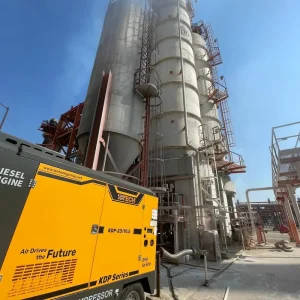
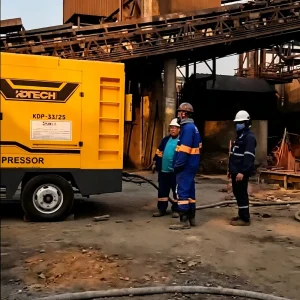
Selecting the right air compressor for a mining project goes far beyond horsepower and CFM. The operational environment in mining is uniquely harsh. We’re talking about extreme temperatures, high dust loads, corrosive elements, and often, remote locations with limited infrastructure. These conditions demand robust, purpose-built industrial air systems designed to withstand abuse and deliver consistent performance.
Consider the challenges of an open-pit iron ore mine in Western Australia or an underground copper mine in Chile. The compressors need specialized filtration systems to handle abrasive dust, heavy-duty cooling to combat ambient heat, and robust enclosures to protect against physical impact and weather. The reasoning here is simple: a cheaper, less robust unit might save on initial capital expenditure (CAPEX), but it will inevitably lead to higher maintenance costs, frequent breakdowns, and ultimately, a much higher total cost of ownership (TCO). This is a lesson I’ve learned repeatedly over twelve years: penny-wise can be pound-foolish when it comes to mine site air supply.
When Standard Solutions Fall Short: Case Studies and Counter-Examples
While Variable Speed Drive (VSD) compressors are generally lauded for their energy efficiency in fluctuating demand scenarios, they aren’t a universal panacea. For a remote, small-scale quarry operation in, say, rural Africa, with a very consistent, high-demand load and limited access to specialized technicians, a simpler, fixed-speed, robust screw compressor might actually be the more practical and reliable choice. The complexity of VSD systems, while offering significant energy savings in many contexts, introduces potential points of failure that can be difficult to service in truly isolated locations without expert support. This is a crucial boundary condition: advanced technology is only beneficial if the operational context supports its maintenance and optimization.
Another example involves older underground coal mines facing stringent methane detection and ventilation requirements. While standard electric compressors might suffice on the surface, underground applications often require specialized explosion-proof (XP) compressors or even fully pneumatic systems to eliminate ignition sources. A project that simply scales up a surface design for underground use without considering these specific safety protocols is not only non-compliant but dangerously irresponsible. International case studies, particularly from regions with mature mining safety regulations like Europe or North America, highlight these critical distinctions.
Actionable Strategies for Optimizing Your Mining Air Compressor Fleet
Optimizing your mining air compressor projects requires a multi-faceted approach, balancing upfront costs with long-term operational efficiency and reliability.
1. Conduct a Thorough Air Demand Audit
Before specifying any equipment, understand your actual air demand. Many mines over-spec their compressors, leading to significant energy waste. Utilize data loggers to map demand profiles across shifts and processes. This insight will inform the correct sizing and type of compressor, whether it’s a single large unit, a modular system, or a combination of VSD and fixed-speed compressors.
2. Prioritize Total Cost of Ownership (TCO)
Shift your focus from initial purchase price (CAPEX) to TCO. This includes energy consumption, maintenance costs, spare parts availability, and the potential cost of downtime. Invest in higher-efficiency units, even if they have a higher sticker price, as the energy savings will often pay back the difference within a few years. Seek out manufacturers with proven track records in mining environments and strong global service networks.
3. Implement Advanced Monitoring and Predictive Maintenance
For any modern mining operation, remote monitoring systems are non-negotiable. IoT-enabled sensors can track pressure, temperature, flow, vibration, and energy consumption in real-time. This data feeds into predictive maintenance programs, allowing for proactive scheduling of service and parts replacement, drastically reducing the risk of unplanned outages. For large-scale projects, integrating these systems with broader mine management platforms offers unparalleled operational visibility.
4. Embrace Energy Recovery Systems
Compressed air generates significant waste heat. Integrate heat recovery units into your compressor systems to capture this energy. It can be repurposed for space heating, water heating, or even process heating, further reducing your mine’s overall energy footprint and improving sustainability metrics. This is a common practice in European mining projects, driven by strict energy efficiency mandates.
5. Partner with Experienced Vendors
Don’t underestimate the value of a vendor with deep expertise in mining applications. They understand the unique challenges and can offer tailored solutions, not just off-the-shelf products. Look for partners who provide comprehensive support, from initial design and installation to ongoing maintenance and optimization.
Expert Insights
"The biggest pitfall I've observed in mining air compressor projects is the failure to fully account for the long-term operational costs and the sheer brutality of the environment. A well-engineered, slightly more expensive system upfront will almost always deliver superior TCO and uptime compared to a 'bargain' unit that buckles under pressure. It's about investing in resilience and efficiency, not just buying a machine."
Further Reading
- Industrial Compressor Case Studies for Global Mining Sites
- Case Studies: Air Compressors in Global Mining Operations
- Global Mining Air Compressor Success Stories & Applications
- Industrial Air Compressor Case Studies for Mining Operations
- Mining Air Compressor Projects, International Case Studies, Compressed Air Mining, Mine Site Efficiency, Industrial Air Systems – Real Mining Air Co
- Reliable Mining Air Compressor Solutions for Harsh Environments
- Mining Air Compressor Efficiency: Tips & Technical Insights
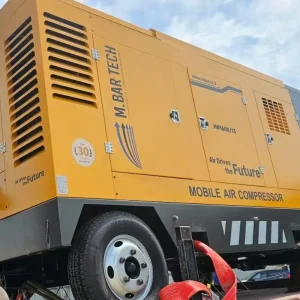
- Mobile Diesel Air Compressors: High-Pressure Mining Solutions
Related Reading: Industrial Compressor Case Studies for Global Mining Sites
Related Applied Cases