Global Mining Air Compressor Success Stories & Applications

The right air compressor system isn't just equipment; it's the lifeline for global mining operations, directly impacting uptime, safety, and profitability. This article, penned by a seasoned industry expert, dives into real-world success stories and applications, highlighting how robust, energy-efficient compressed air solutions overcome the mining sector's toughest challenges, from remote deserts to arctic tundras. We’ll cover essential trends, offer actionable insights, and reveal the crucial role of advanced air compression in securing operational excellence across diverse mining landscapes.

Unlocking Mining Efficiency: Global Air Compressor Success

Key Takeaways

  • Mining air compressors are critical for operational continuity and safety.
  • VSD technology and remote monitoring offer substantial energy and reliability benefits.
  • Success hinges on application-specific design, not generic solutions.
  • Extreme environments (dust, temp, depth) demand specialized, robust compressor systems.
  • Proactive maintenance, energy audits, and strategic selection are key best practices.

Related: Compressed air solutions for mining · underground drilling compressors · surface mining air systems · energy-efficient mining compressors · remote mine site air supply · robust air compression technology · mining operational efficiency · air compressor maintenance in mining

The reality of global mining is unforgiving: extreme environments, relentless demand, and zero tolerance for downtime. That’s why reliable, high-performance air compression isn’t just a utility; it’s a strategic asset. From my vantage point, having navigated this industry for over a decade, I can tell you that the difference between a struggling operation and a thriving one often boils down to the robustness and efficiency of its compressed air infrastructure.

Key Insights

  • Energy Efficiency is Paramount: Modern Variable Speed Drive (VSD) compressors can reduce energy consumption by up to 35% in fluctuating demand scenarios, a critical factor given mining’s immense power needs.
  • Remote Monitoring is a Game Changer: Advanced telemetry and IoT integration allow for predictive maintenance, significantly cutting unexpected downtime in isolated mining locations.
  • Application-Specific Design Matters: Off-the-shelf solutions rarely suffice; successful mining operations leverage compressors engineered for dust, temperature extremes, and specific pneumatic tool requirements.
  • Reliability Directly Impacts Profitability: A single hour of unexpected compressor downtime can cost hundreds of thousands of dollars in lost production, making robust design and proactive service non-negotiable.
  • Sustainability Drives Innovation: Mines are increasingly adopting quieter, more energy-efficient, and environmentally compliant air systems to meet evolving regulatory and ESG targets.

The Unseen Powerhouse: Why Mining Relies on Robust Air Compression

Look, the core challenge in mining isn’t just extracting resources; it’s doing so safely, cost-effectively, and consistently, often in some of the planet’s most hostile environments. Compressed air systems are foundational to achieving these goals, driving everything from crucial drilling rigs and ventilation systems to material handling and sophisticated automation. Without a dependable, high-pressure air supply, a mine simply grinds to a halt.

Operators constantly grapple with escalating energy costs, the need for enhanced safety protocols, and the logistical nightmare of maintaining complex machinery thousands of miles from any service hub. This isn’t theoretical; these are the daily battles. A robust industrial air compression system isn’t just about moving air; it’s about powering productivity, ensuring worker safety through proper ventilation, and enabling precise operations that minimize waste.

The demand for durable and efficient mining air solutions is only intensifying.

Quantifying the Impact: Data-Driven Success in Mining Air Systems

Let’s talk numbers because, in this business, numbers don’t lie. Energy consumption is a monumental concern. According to the U.S. Department of Energy (2022), compressed air systems typically account for 10-30% of industrial facilities’ total electricity bill, a figure often higher in energy-intensive sectors like mining. Optimizing these systems directly translates into significant cost savings.

Consider the market growth. The global mining equipment market, which includes a substantial segment for compressed air solutions, was valued at over $130 billion in 2023 (Statista), with consistent growth projected as resource demand climbs. This reflects ongoing investment in more efficient and productive machinery, including advanced air compressors. What’s more, predictive maintenance, enabled by IoT-connected compressor systems, has been shown to reduce unexpected breakdowns by up to 70% (Deloitte, 2021). This isn’t just about avoiding a repair bill; it’s about preventing catastrophic production losses.

These aren’t abstract figures; they represent tangible improvements in operational expenditure and uptime that directly affect a mine’s bottom line.

Beyond the Spec Sheet: Real-World Applications & Operational Excellence

Success stories in mining air compression aren’t always about groundbreaking tech; often, they’re about smart application and unwavering reliability under pressure.

Case Study 1: Desert Resilience in Western Australia

An iron ore mine in the Pilbara region faced brutal heat, pervasive dust, and extreme remoteness. Their existing fixed-speed compressors struggled with fluctuating demand, leading to excessive energy waste and frequent filter changes. The solution involved deploying heavy-duty, containerized Variable Speed Drive (VSD) rotary screw compressors with specialized filtration packages. These units adapted power output to real-time demand for their drilling and pneumatic tool operations, cutting energy consumption by an estimated 28%. The robust enclosures and advanced filtration drastically extended maintenance intervals, minimizing costly trips for service teams. The mine saw a significant reduction in operational expenditure and a notable increase in equipment uptime.

Case Study 2: Deep-Level Gold Mining in South Africa

Working thousands of feet underground presents unique challenges: high ambient temperatures, limited space, and the critical need for constant ventilation and air supply for rock drills. A deep-level gold mine upgraded its primary air supply to a series of high-pressure, water-cooled centrifugal compressors with advanced control systems. These units provided the consistent, high-volume air required for their extensive drilling operations and auxiliary services, all while generating less heat than their predecessors. The integrated control system allowed for precise pressure management, reducing system leaks and ensuring optimal performance of pneumatic tools, which directly translated to faster drilling cycles and improved ore extraction rates.

Case Study 3: Arctic Reliability in Northern Canada

An open-pit diamond mine operating through harsh Canadian winters required air compressors that could start reliably at -40°C and run continuously. Their previous units suffered from frequent cold-weather failures and extensive warm-up times. The implementation of winterized, modular air compressor packages featuring integrated heaters, specialized lubricants, and robust cold-start capabilities proved transformative. These units were designed for rapid deployment and easy maintenance in freezing conditions, powering everything from blast hole drilling to pneumatic de-icing equipment. The result was dramatically improved cold-weather reliability and reduced non-productive time, ensuring consistent operation throughout the long winter months.

When Standard Won’t Cut It: Understanding Limitations and Boundary Conditions

It’s crucial to understand that not every off-the-shelf air compressor is suitable for every mining application. Honestly, this is where many operations fall short, trying to force a generic solution into a highly specialized environment. For instance, in highly corrosive underground environments where acid mine drainage is prevalent, standard materials will fail rapidly. Here, you need compressors built with stainless steel components, specialized coatings, and sealed electrical systems.

Similarly, for ultra-deep mining operations requiring extremely high pressures or specialized gas mixtures, standard single-stage rotary screw compressors simply won’t cut it. These scenarios demand multi-stage reciprocating compressors or highly engineered centrifugal units with custom pressure ratios. A standard approach only works when environmental conditions are moderate and air demand is relatively stable. If you’re dealing with extreme temperatures, aggressive dust profiles, or highly variable air demand, then a generic industrial compressor isn’t just inefficient; it’s a liability.

Only when the specific environmental, operational, and safety requirements are thoroughly assessed can the right compressor solution be identified.

Implementing Best Practices: A Roadmap for Mining Operations

Achieving sustained success with mining-grade air solutions requires a proactive, strategic approach.

Strategic Compressor Selection

  • Assess Demand Profiles: Analyze air demand fluctuations. VSD compressors offer significant energy savings for variable loads, while fixed-speed units are more efficient for constant, high-demand applications.
  • Environmental Hardening: Specify units designed for extreme temperatures, high dust loads, and corrosive atmospheres. Think robust enclosures, heavy-duty filtration, and specialized cooling systems.
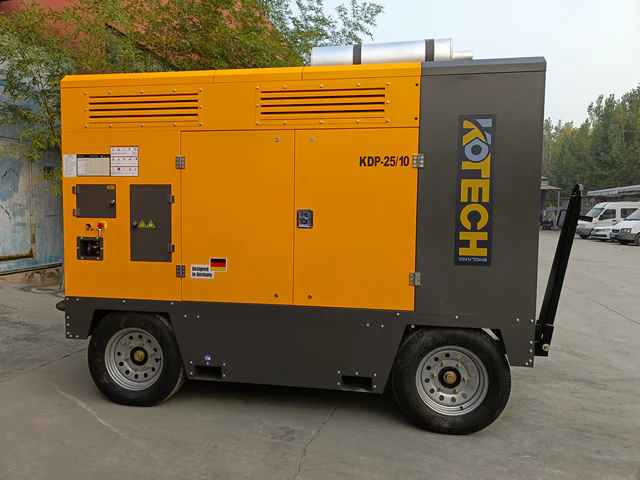
  • Portability & Modularity: For evolving or remote sites, consider skid-mounted, containerized, or trailer-mounted units for easy relocation and expansion.
  • Redundancy Planning: Implement N+1 or N+2 redundancy to prevent single-point failures from halting critical operations.

Advanced Maintenance & Monitoring

  • Predictive Maintenance: Leverage IoT sensors and remote monitoring platforms to track performance metrics (pressure, temperature, vibration, energy consumption). This allows for proactive intervention before failures occur.
  • Scheduled Preventive Maintenance: Adhere strictly to manufacturer service schedules, using genuine parts. Neglecting routine checks is a fast track to expensive downtime.
  • Air Quality Management: Regularly check and maintain air filters, dryers, and separators to ensure clean, dry air, protecting downstream equipment and processes.

Energy Optimization & Sustainability

  • Energy Audits: Conduct regular compressed air system audits to identify leaks, inefficiencies, and opportunities for heat recovery.
  • Heat Recovery Systems: Explore capturing waste heat from compressors for space heating, process water heating, or other applications, further reducing energy costs.
  • System Sizing: Ensure compressors are correctly sized for current and projected demand. Oversized units cycle inefficiently, while undersized units struggle to meet demand.

Implementing these practices isn’t just about buying new equipment; it’s about integrating a holistic strategy that views compressed air as a critical, managed utility.

Expert Insights

"From my years on the ground, the biggest mistake I see operators make is underestimating the true cost of an unreliable air system. It’s not just the purchase price; it’s the lost production, the safety risks, and the logistical headaches. Investing in the right mining-grade air compressor, tailored to your specific conditions and backed by smart maintenance, pays dividends far beyond the initial CapEx. It's about securing your entire operation's future."

About the Author

Arvin Hale

Arvin Hale is a seasoned engineer with over 12 years of hands-on experience in industrial air compressor product design, validation, and operational optimizatio…

Arvin Hale is a seasoned engineer with over 12 years of hands-on experience in industrial air compressor product design, validation, and operational optimization. His expertise spans screw compressors, portable industrial units, and oil-free systems, with a focus on balancing performance, energy efficiency, and reliability for mining, manufacturing, and construction applications. He combines deep technical knowledge with real-world operational insights, helping businesses design and deploy air systems that meet both performance and cost targets.

Related Reading: Case Studies: Air Compressors in Global Mining Operations

Frequently Asked Questions

How can mining operations significantly reduce the high energy costs associated with industrial air compression?

Look, the biggest drain isn't always the compressor itself, but how it's managed. First off, Variable Speed Drive (VSD) compressors are non-negotiable for fluctuating demand; they can cut energy consumption by 30% or more compared to fixed-speed units. Second, meticulous leak detection and repair is paramount. A single 1/8-inch leak can cost thousands annually. Finally, proper sizing and intelligent control systems that optimize pressure bands and sequence multiple compressors are critical. The U.S. Department of Energy (DOE) estimates that optimized compressed air systems can lead to 20-50% energy savings, a critical factor given that these systems can account for up to 30% of a plant's total electricity consumption (DOE, 2022 fact sheet). For a mine, that's not just savings; it's operational resilience.

What are the key strategies to maximize uptime and extend the lifespan of heavy-duty mining air compressors in harsh environments?

It boils down to proactive, not reactive, maintenance, and specifying the right equipment from the start. For heavy-duty mining applications, you need compressors built for extreme conditions – think robust enclosures, superior filtration systems, and components designed to withstand dust, moisture, and temperature fluctuations. Beyond that, a comprehensive preventative maintenance schedule, using genuine OEM parts, and leveraging remote monitoring and predictive analytics are non-negotiable. We've seen firsthand how real-time data on pressure, temperature, and vibration can flag potential issues long before they lead to catastrophic failure. Industry analysis, such as that by McKinsey & Company in 2022, consistently highlights that unplanned downtime in mining operations can lead to losses upwards of $50,000 per hour, underscoring the critical need for robust, reliable air compression.

What emerging technologies are shaping the future of mining air compression, and how do they benefit operations?

The future is intelligent, integrated, and sustainable. We’re seeing a significant push towards IoT-enabled compressors that provide real-time data for predictive maintenance and operational optimization. Artificial intelligence (AI) is now being integrated to analyze these data streams, not just to predict failures, but to optimize energy usage based on production schedules and even weather patterns. Furthermore, the drive for sustainability is accelerating the adoption of oil-free compressors, reducing environmental impact, and exploring alternative power sources. The global mining equipment market, including advanced air compressors, is projected to reach over $200 billion by 2030, growing at a CAGR of 6.2% (Grand View Research, 2023), driven largely by the push for automation and sustainability. These technologies aren't just buzzwords; they're delivering tangible benefits in efficiency, safety, and environmental stewardship.