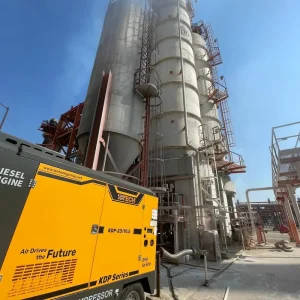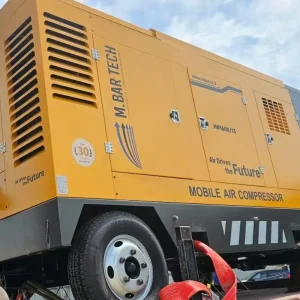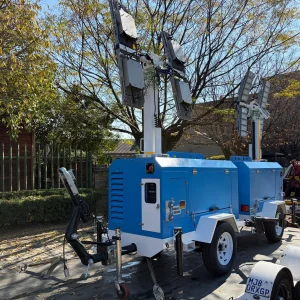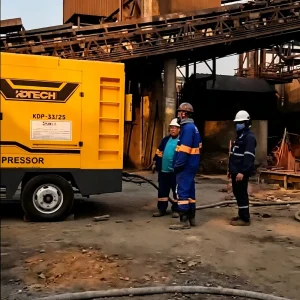

Global mining operations face unique challenges demanding exceptional reliability and efficiency from industrial compressors. This deep dive into real-world case studies highlights how strategic compressor selection, advanced monitoring, and tailored service plans drive significant operational uptime, reduce total cost of ownership, and enhance energy efficiency across diverse, often extreme, mine sites worldwide. We cut through the noise, focusing on actionable insights for decision-makers.
Optimizing Compressed Air for Global Mining Operations
Key Takeaways
- Compressor reliability is critical for mining production continuity.
- Energy consumption is the largest component of compressor TCO in mining.
- VSD technology and specialized air-ends mitigate high-altitude performance loss.
- Multi-stage filtration and robust cooling address extreme dust and heat.
- Oil-free compressors and advanced air treatment ensure safety in underground environments.
- Predictive maintenance via remote monitoring prevents costly unscheduled downtime.
- Holistic approach (sizing, maintenance, air treatment) is essential for long-term success.
- Standard solutions may not suit all small, intermittent, or extreme sub-zero operations.
Related: Mining air compressor reliability · heavy-duty compressed air systems · remote mine site solutions · energy efficiency in mining · total cost of ownership compressors · predictive maintenance mining · air compression for extreme conditions.
When it comes to global mining, reliable compressed air isn’t just a utility; it’s the lifeblood of operations. Downtime from a failing compressor can halt an entire site, costing millions. This article isn’t about general compressor theory; it’s about what actually works in the field, based on hard-won experience across some of the planet’s toughest mining environments.
Here are the key insights we’ve consistently found:
- Uptime is Paramount: Compressor reliability directly impacts production continuity.
- Total Cost of Ownership (TCO) Dominates: Initial purchase price often pales compared to energy, maintenance, and lost production costs.
- Environmental Extremes Demand Robustness: High altitudes, dust, and temperature swings require purpose-built solutions.
- Remote Monitoring is a Game Changer: Proactive maintenance prevents catastrophic failures, especially in isolated locations.
- Energy Efficiency Drives Profitability: Compressed air is a major power consumer; optimizing it yields substantial savings.
The Imperative: Why Reliable Air is Non-Negotiable in Mining
In mining, every minute counts. Whether it’s powering pneumatic tools, ventilation systems, instrumentation, or material handling, compressed air is fundamental. A compressor failure doesn’t just mean a repair bill; it means halted drilling, stalled conveyors, and idle personnel. Frankly, I’ve seen firsthand how a single compressor hiccup in a remote gold mine can cascade into weeks of lost revenue. The stakes are incredibly high, pushing mining companies to seek out not just any industrial compressor, but robust, specialized systems capable of enduring brutal conditions. This isn’t just about moving air; it’s about ensuring operational continuity and protecting the bottom line.
Navigating the Terrain: Key Industry Trends and Data
The mining sector is undergoing significant transformation, driven by commodity price volatility, increasing energy costs, and a push for greater sustainability. These pressures directly influence compressor selection and deployment.
Energy Efficiency: A Bottom-Line Driver
Energy consumption remains a critical concern. According to the International Energy Agency (IEA) 2024 report, compressed air systems can account for up to 30% of industrial electricity consumption. For a large-scale mining operation, this translates into millions of dollars annually. Optimizing compressor efficiency—through variable speed drive (VSD) technology, proper sizing, and waste heat recovery—is no longer an option; it’s a financial imperative. We’re seeing more clients prioritize the operational expenditure (OpEx) savings over initial capital expenditure (CapEx) for this very reason.
Digital Transformation and Predictive Maintenance
The integration of IoT and AI into industrial equipment is revolutionizing maintenance strategies. A Mordor Intelligence 2023 report projects significant growth in the industrial air compressor market, partly fueled by the adoption of smart technologies. Remote monitoring, predictive analytics, and condition-based maintenance are becoming standard practice. For mining sites, especially those in isolated regions, this capability means fewer unscheduled breakdowns, optimized service intervals, and a substantial reduction in the need for costly emergency field visits. This shift from reactive to proactive maintenance is a huge win for uptime.
Real-World Challenges and Proven Solutions
Let’s look at how these principles play out in the field. These aren’t just theoretical exercises; they’re situations we’ve navigated, providing solutions that deliver measurable results.
Case Study 1: High-Altitude Gold Mine, Andes
**Challenge:** A major gold mining operation in the Chilean Andes, situated at over 4,500 meters (14,760 feet), faced constant issues with their existing fixed-speed compressors. The thin air significantly reduced compressor output, requiring more units to meet demand, which in turn drove up energy consumption and maintenance. Extreme temperature fluctuations, from below freezing at night to warm days, also stressed components. The remote location made emergency repairs costly and time-consuming.
**Solution:** We implemented a fleet of heavy-duty, oil-flooded rotary screw compressors equipped with specialized air-ends designed for high-altitude operation and VSD technology. The VSDs allowed the compressors to precisely match air demand, compensating for altitude-related performance drops and drastically cutting energy waste. Remote monitoring systems were installed, providing real-time data on pressure, temperature, and vibration. This enabled the site team and our service partners to anticipate potential issues, scheduling maintenance proactively.
**Result:** The mine saw a 25% reduction in energy consumption for compressed air, primarily due to VSD optimization and fewer redundant units running. Uptime improved by 18%, and the frequency of emergency call-outs dropped by 40% within the first year. This solution not only stabilized their air supply but also significantly reduced their operational carbon footprint.
Case Study 2: Remote Iron Ore Operation, Western Australia
**Challenge:** A large iron ore mine in the Pilbara region of Western Australia struggled with excessive dust ingress and extreme heat (regularly exceeding 45°C/113°F). Their conventional air compressors suffered from frequent filter blockages, overheating, and premature wear of internal components. Maintenance teams spent considerable time on routine filter changes and dealing with heat-related shutdowns, impacting overall productivity. The sheer scale of the operation meant compressed air reliability was critical for drilling and processing.
**Solution:** We deployed rugged, enclosed industrial compressors with heavy-duty filtration packages, including multi-stage air intake filters and specialized cooling systems designed for high ambient temperatures. The enclosures provided enhanced protection against the abrasive red dust. A comprehensive predictive maintenance program was established, leveraging vibration analysis and thermal imaging, which allowed for component replacement *before* failure. Our team also worked with the mine to optimize compressor placement, utilizing natural airflow paths where possible.
**Result:** The mine achieved a 30% extension in filter service intervals and a 15% reduction in unscheduled downtime related to compressor overheating. The proactive maintenance approach led to a 20% decrease in overall maintenance costs, freeing up technicians for other critical tasks. This demonstrated the immense value of purpose-built equipment and tailored maintenance strategies in the harshest environments.
Case Study 3: Underground Coal Mine, Appalachia
**Challenge:** An underground coal mine in the Appalachian region faced unique safety and environmental challenges. Flammable gases, high humidity, and confined spaces demanded explosion-proof equipment and robust air quality. Their older compressors struggled with moisture contamination, leading to corrosion in pneumatic tools and instrumentation. Maintaining stable air pressure for ventilation and safety systems was a constant battle, with the risk of non-compliance.
**Solution:** We installed oil-free rotary screw compressors, crucial for preventing oil contamination in the air stream, especially in sensitive underground environments. These units were housed in specialized explosion-proof enclosures, meeting stringent safety certifications. Advanced air treatment systems, including refrigerated dryers and particulate filters, were integrated to ensure consistently dry, clean air. Redundant systems were put in place to guarantee continuous air supply for critical safety functions.
**Result:** The mine completely eliminated oil contamination issues, significantly extending the lifespan of pneumatic tools and reducing instrument calibration frequency. Compliance with air quality and safety regulations was consistently met, providing peace of mind. The robust, redundant system delivered 100% air supply reliability for critical safety applications, a non-negotiable outcome. This particular project underscored that sometimes, the “cost-effective” solution isn’t the cheapest, but the one that ensures safety and compliance.
Implementing Best Practices: Beyond the Compressor
These case studies highlight that success isn’t just about buying a good compressor. It’s about a holistic approach:
- Right Sizing and Selection: Oversized compressors waste energy; undersized units can’t meet demand. Factors like altitude, temperature, and specific air quality requirements are non-negotiable.
- Proactive Maintenance: Moving from reactive fixes to predictive and preventive schedules is crucial. This involves regular inspections, oil analysis, filter changes, and leveraging remote monitoring data.
- Air Treatment: Investing in appropriate dryers, filters, and drains prevents moisture and particulate damage downstream, extending tool life and ensuring product quality.
- System Optimization: Leak detection and repair programs, proper piping design, and smart control systems can dramatically improve overall system efficiency.
- Training and Support: Empowering local teams with the knowledge to operate and perform basic maintenance, backed by expert remote and on-site support, ensures long-term success.
When Standard Solutions Fall Short: Boundary Conditions
While VSD compressors and remote monitoring offer immense benefits, they aren’t a silver bullet for every scenario. For instance, a small, intermittently operating mine site with very low, unpredictable air demand might find the higher initial CapEx of a VSD unit outweighs the potential energy savings. In such cases, a well-maintained, appropriately sized fixed-speed compressor, perhaps with a smaller receiver tank, could be more cost-effective. Similarly, extreme sub-zero environments might necessitate specialized heating elements and lubricants that add complexity, making “off-the-shelf” solutions unsuitable without significant modification. The key is always to analyze the specific operational profile and environmental constraints before committing to a technology.
Expert Insights
"Having navigated countless compressor deployments from the Arctic Circle to the Atacama Desert, I'd argue that the true measure of a compressor's value in mining isn't its sticker price, but its ability to reliably deliver air under duress, month after month, year after year. The upfront investment in robust, intelligent systems almost always pays dividends in sustained production and reduced operational headaches. It's about engineering for resilience, not just output."
Further Reading
- Case Studies: Air Compressors in Global Mining Operations
- Global Mining Air Compressor Success Stories & Applications
- Industrial Air Compressor Case Studies for Mining Operations
- Real Mining Air Compressor Projects from Around the World
- Industrial Compressor Case Studies for Global Mining Sites – Reliable Mining Ai
- Air Compressor Case Studies for Mining & Heavy Industry
- Air Compressor Solutions Tailored to Mining Industry Needs
- Latest Tech & Innovations in Mining Air Compressors
Related Reading: Mining Air Compressor Projects | International Case Studies
Related Applied Cases