Unlocking Uninterrupted Power: Your Guide to Heavy-Duty Portable Diesel Air Compressors
The Unyielding Demand for Robust Air Power in Extreme Environments
Working in industries like mining, heavy construction, or oil and gas often means battling environments that would cripple lesser equipment. When it comes to portable air power, “heavy-duty” isn’t just a marketing term; it’s a fundamental requirement. You need a machine that doesn’t just tolerate extreme conditions but thrives in them, delivering consistent, reliable airflow regardless of what Mother Nature—or the job site—throws its way.
The core conclusion? For truly harsh conditions, you must invest in heavy-duty portable diesel air compressors built specifically for that challenge. Anything less is a gamble you can’t afford.
Climate Extremes and Operational Resilience
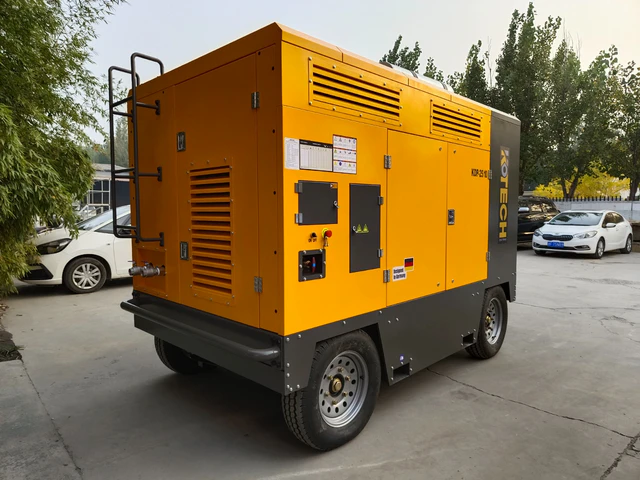
Consider the realities: scorching desert heat, freezing arctic winds, relentless dust in quarries, or corrosive moisture on offshore platforms. Each presents unique challenges to an air compressor’s internal components and overall structural integrity. A truly heavy-duty unit features oversized coolers, robust enclosures, and specialized filtration systems designed to maintain optimal operating temperatures and keep contaminants out. This isn’t about minor upgrades; it’s about fundamental engineering differences that ensure continuous operation when standard units would overheat, clog, or corrode.
We’re talking about compressors with heavy-gauge steel frames, reinforced axles, and specialized coatings. These aren’t luxuries; they’re necessities for survival in environments where downtime isn’t an inconvenience but a catastrophic financial hit.
Fuel Efficiency and Regulatory Compliance: A Modern Mandate
Beyond raw power, modern heavy-duty portable diesel air compressors are also defined by their advanced engine technology. The days of simple, high-emissions diesel engines are long gone. Today’s units are equipped with sophisticated Tier 4 Final (U.S.) or Stage V (EU) compliant engines, which significantly reduce particulate matter and nitrogen oxide emissions. This isn’t just about environmental responsibility; it directly impacts your bottom line through improved fuel efficiency.
These engines incorporate technologies like selective catalytic reduction (SCR) and diesel particulate filters (DPF) that, while adding complexity, are essential for compliance and efficiency.
What Separates True Heavy-Duty from the Rest?
It’s easy to slap a “heavy-duty” label on anything, but discerning the real deal requires looking beyond marketing. Genuine heavy-duty portable diesel air compressors are characterized by several critical engineering and design choices.
Engine & Drivetrain Durability: The Heart of the Beast
The engine is the heart of any diesel compressor. In a harsh environment, it needs to be more than just powerful; it needs to be virtually indestructible. This means industrial-grade engines from reputable manufacturers known for their reliability in off-highway applications. Think about components like heavy-duty alternators, robust starter motors, and wiring harnesses designed to withstand vibration and extreme temperatures.
The air end, or compressor block, is equally vital. Manufacturers of heavy-duty units typically employ larger, slower-turning air ends. This design choice reduces wear and tear, extends the lifespan of critical components, and maintains higher efficiency over time, even under continuous load.
Advanced Filtration Systems: The Lungs of the Machine
Dust, dirt, and moisture are the archenemies of any air compressor. Heavy-duty units combat this with multi-stage filtration systems for both the engine intake and the compressor intake. These often include cyclonic pre-filters, heavy-duty primary filters, and safety filters. For extremely dusty environments, specialized “desert packages” with even more robust filtration are available.
Moisture separation is also key. Integrated aftercoolers and water separators ensure that the air delivered to your tools is as dry as possible, protecting pneumatic equipment and processes from rust and operational issues. This attention to detail in filtration is a hallmark of equipment designed for true longevity in challenging conditions.
Telematics and Predictive Maintenance: The Intelligent Edge
One of the most significant advancements in recent years for heavy-duty equipment has been the integration of telematics. For remote job sites, this isn’t just a convenience; it’s a lifeline. Telematics systems allow for real-time monitoring of critical parameters like fuel levels, engine hours, oil pressure, and fault codes. This data is invaluable for proactive maintenance scheduling and preventing unexpected breakdowns.
This capability transforms maintenance from reactive fixes to predictive interventions, ensuring your heavy-duty compressor stays operational longer and more reliably.
Navigating the Market: Choosing Your Workhorse
Selecting the right heavy-duty portable diesel air compressor means more than just picking a brand. It requires a thorough assessment of your specific needs and a long-term perspective.
Assessing Your Specific Site Conditions: Not All “Harsh” is Equal
This is where many go wrong. While the title emphasizes “harsh conditions,” the specific type of harshness matters. A compressor perfectly suited for a high-altitude, freezing mine site might not be the absolute best choice for a humid, sandy coastal construction project. Evaluate your average ambient temperatures, dust levels, humidity, altitude, and even the type of terrain the unit will be towed over. This granular understanding allows you to specify features like extreme-cold weather packages, specialized sand filters, or reinforced undercarriages. A unit might be “heavy-duty,” but its specific configuration needs to match your unique operational demands.
Don’t assume a general “heavy-duty” label covers every contingency. Dig into the specs and discuss your exact environment with the supplier.
The Total Cost of Ownership (TCO) Equation
The upfront purchase price of a heavy-duty portable diesel air compressor is only one piece of the puzzle. The real financial impact comes from its Total Cost of Ownership (TCO). This includes fuel consumption, maintenance costs, parts availability, resale value, and, critically, the cost of potential downtime.
A cheaper, less robust unit might save you a few thousand dollars initially, but if it breaks down frequently, consumes excessive fuel, or requires specialized, hard-to-find parts, your TCO will skyrocket. Conversely, a higher-priced, truly heavy-duty machine with superior fuel efficiency, robust components, and excellent dealer support will often prove to be the more economical choice over its operational life. It’s an investment in uninterrupted performance.
Industry Insights and Future Outlook
The market for heavy-duty portable diesel air compressors remains robust, driven by global infrastructure development and resource extraction.
Innovations continue to focus on improving fuel efficiency, reducing noise levels, enhancing telematics capabilities, and exploring alternative power sources, though diesel remains dominant for heavy-duty, high-power applications in remote or off-grid settings.
The Sustainability Imperative
While diesel remains the power source of choice for heavy-duty portable compressors, the industry is constantly pushing for greater sustainability. This includes not only the widespread adoption of Tier 4 Final/Stage V engines but also research into hybrid electric models for specific applications and compatibility with alternative diesel fuels (like HVO). The goal isn’t just about meeting regulations but about reducing the overall environmental footprint of these essential machines.
The Bottom Line: Investing in Uninterrupted Performance
For operations facing harsh conditions, a heavy-duty portable diesel air compressor isn’t merely a piece of equipment; it’s a strategic asset. The initial investment in a purpose-built, robust machine with advanced features like superior filtration, durable components, and telematics-enabled predictive maintenance will pay dividends through reduced downtime, lower operational costs, and ultimately, a more productive and profitable project. Don’t compromise on air power when your entire operation depends on it.