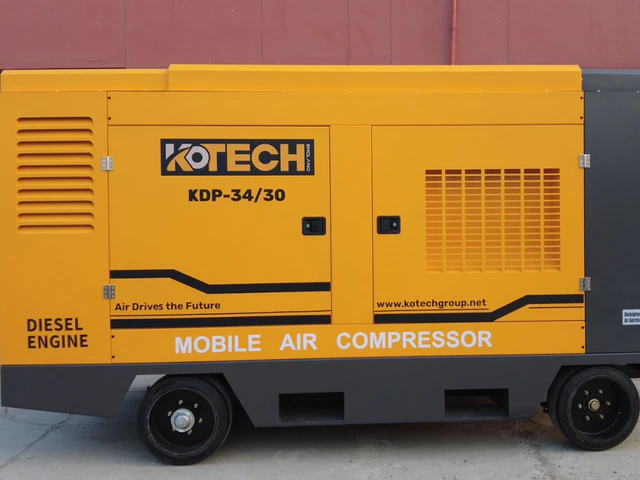
Industrial Air Compressors for Oilfield & Gas Operations

Navigating the complexities of oilfield and gas operations demands an unwavering commitment to reliability, safety, and efficiency, especially when it comes to critical equipment like industrial air compressors. This isn't just about moving air; it's about powering essential processes, ensuring instrument precision, and keeping crews safe in some of the planet's most demanding environments. Choosing the wrong system can lead to catastrophic downtime, regulatory fines, and substantial financial losses. We’ll cut through the noise, focusing on what truly matters for your bottom line and operational continuity.

Selecting the Right Industrial Air Compressor for Oil & Gas

Key Takeaways

  • Air compressors are indispensable for oil & gas, powering critical functions.
  • Harsh operating conditions demand specialized, heavy-duty compressor designs.
  • Energy efficiency, particularly through VSD technology, significantly reduces operational costs.
  • Safety certifications (ATEX, Class 1, Div 2) are non-negotiable for hazardous environments.
  • Remote monitoring and predictive maintenance enhance uptime and reduce unexpected failures.
  • Total Cost of Ownership (TCO) should guide purchasing decisions, not just initial price.
  • Partnerships with knowledgeable suppliers offering strong support are crucial for long-term success.

Related: Oilfield air compression · gas processing air systems · heavy-duty pneumatic equipment · explosion-proof compressors · instrument air for O&G · mobile air solutions · offshore compressor units · wellhead air systems.

The Critical Role of Air Compressors in O&G: Beyond Just Power

In the oilfield and gas sector, an industrial air compressor isn’t just another piece of equipment; it’s a foundational asset, often the heartbeat of critical operations. From powering pneumatic tools and wellhead controls to providing precise instrument air for sophisticated monitoring systems, these machines keep the entire enterprise moving. The stakes are incredibly high. A single compressor failure can halt production, jeopardizing safety and incurring staggering costs. Grand View Research (2023) projected the global oil and gas market size at USD 7.27 trillion in 2022, highlighting the immense scale and the financial impact any operational hiccup can have.

Operating environments in oil and gas are, frankly, brutal. We’re talking about corrosive saltwater spray offshore, abrasive dust in desert fields, extreme temperature fluctuations from the Arctic to the equator, and continuous vibration. These conditions chew through standard industrial equipment, which is why a heavy-duty air compressor designed specifically for this sector isn’t merely a premium choice—it’s an absolute necessity. Compressor units need robust enclosures, specialized filtration systems, and corrosion-resistant components to withstand constant abuse. Anything less is a gamble you simply can’t afford. My team has seen firsthand what happens when an operator tries to save a buck upfront with a generic unit; the repair bills and lost production quickly dwarf any initial savings.

The industry is under increasing pressure to optimize efficiency and enhance safety, all while navigating volatile commodity prices. This pressure directly impacts the selection and operation of industrial air compressors. The market for these specialized units is robust; MarketsandMarkets (2022) estimates the industrial air compressor market for oil and gas will reach USD 5.7 billion by 2027, growing at a CAGR of 6.2% from 2022. This growth isn’t just about more wells; it’s about smarter, safer, and more efficient operations.

The Energy Equation: VSD and Remote Monitoring

Energy consumption is a massive operational cost in oil and gas. Compressors, especially older, fixed-speed models, can be significant energy hogs. This is where Variable Speed Drive (VSD) technology shines. VSD compressors adjust their motor speed to match air demand, leading to substantial energy savings, particularly in applications with fluctuating loads. The US Department of Energy has consistently shown that VSD compressors can cut energy consumption by up to 35% compared to fixed-speed units. This isn’t theoretical; it’s real money back in your pocket.

Beyond energy, remote monitoring and predictive maintenance are transforming how we manage compressor fleets. Imagine knowing a component is showing signs of wear *before* it fails, allowing for scheduled maintenance rather than emergency shutdowns. This capability minimizes unexpected downtime, which, according to Uptime Magazine (2021), highlights that every dollar spent on preventative maintenance can save $5 to $6 in repair costs and avoided downtime. For remote oilfield sites, this technology is a game-changer, enabling proactive intervention and extending equipment life.

Compliance and Customization: Not One-Size-Fits-All

Safety in oil and gas is non-negotiable, and regulatory compliance is a strict framework, not a suggestion. Air compressors operating in hazardous areas must meet stringent certifications like ATEX (for Europe) or Class 1, Div 2 (for North America), ensuring they won’t ignite explosive atmospheres. Likewise, API (American Petroleum Institute) standards often dictate design and performance requirements, particularly for critical process air applications. This isn’t an area for compromise.

However, these strict rules don’t mean a rigid, one-size-fits-all approach. Quite the opposite. Every oilfield or gas operation has unique demands: different flow rates, pressure requirements, portability needs, and environmental conditions. A mobile air compressor might be perfect for well servicing, while a large, stationary, explosion-proof unit is essential for a gas processing plant. The key is customization. Off-the-shelf solutions rarely provide optimal performance or compliance for every specific scenario. For instance, a basic construction compressor simply won’t cut it for instrument air on an offshore platform; the air quality requirements alone are vastly different.

Strategic Implementation: Making the Right Call

Selecting the ideal industrial air compressor for your oil and gas operations requires a holistic view, extending beyond the initial purchase price. You need to consider the total cost of ownership (TCO), which includes capital expenditure, energy consumption, maintenance, parts, and potential downtime losses over the equipment’s lifespan.

Considering Total Cost of Ownership (TCO)

When evaluating options, prioritize suppliers who understand the specific challenges of your industry. Look for partners offering:

  • Robust, Field-Proven Designs: Units built to withstand extreme conditions, with documented performance in similar applications.
  • Energy Efficiency: VSD technology, optimized motor efficiency, and smart controls to minimize power consumption.
  • Comprehensive Service and Support: A strong service network, readily available spare parts, and expert technical assistance are vital, especially for remote sites.
  • Safety and Compliance: Assured adherence to all relevant industry standards and certifications (ATEX, Class 1, Div 2, API).
  • Customization Options: The ability to tailor units for specific flow, pressure, air quality, and environmental requirements.
  • Remote Monitoring & Predictive Maintenance: Technologies that enhance uptime and allow for proactive maintenance scheduling.

Frankly, skimping on compressor quality or support is a false economy in this business. The cost of a single day of unplanned downtime can easily eclipse the price difference between a cheap unit and a purpose-built, reliable system. Invest in the right equipment and a strong service partnership; it’s the only way to ensure consistent, safe, and profitable operations in the demanding world of oil and gas.

Expert Insights

From my vantage point, the biggest mistake I see companies make is underestimating the true cost of an unreliable compressor in an oilfield or gas setting. That initial purchase price is a tiny fraction compared to the revenue lost during an unscheduled shutdown or the safety risks incurred by cutting corners on compliance. The smart money is always on robust, purpose

— built equipment backed by a solid service agreement.

About the Author

Arvin Hale

Arvin Hale is a seasoned engineer with over 12 years of hands-on experience in industrial air compressor product design, validation, and operational optimizatio…

Arvin Hale is a seasoned engineer with over 12 years of hands-on experience in industrial air compressor product design, validation, and operational optimization. His expertise spans screw compressors, portable industrial units, and oil-free systems, with a focus on balancing performance, energy efficiency, and reliability for mining, manufacturing, and construction applications. He combines deep technical knowledge with real-world operational insights, helping businesses design and deploy air systems that meet both performance and cost targets.

Related Reading: Latest Tech & Innovations in Mining Air Compressors

Frequently Asked Questions

Why are specialized air compressors necessary for oilfield and gas operations, unlike general industrial applications?

Oilfield and gas operations involve extreme conditions like corrosive environments, abrasive dust, and wide temperature swings, along with strict safety regulations for explosive atmospheres. Specialized compressors feature robust enclosures, enhanced filtration, corrosion-resistant materials, and certifications (e.g., ATEX, Class 1, Div 2) that standard industrial units simply cannot offer or withstand reliably.

How can VSD (Variable Speed Drive) technology benefit my oil and gas compressor fleet?

VSD technology allows the compressor motor to adjust its speed based on actual air demand. This significantly reduces energy consumption, especially in operations with fluctuating air requirements, leading to substantial cost savings. It also reduces wear and tear, potentially extending the equipment's lifespan and improving overall efficiency.

What key factors should I consider when evaluating the total cost of ownership (TCO) for an industrial air compressor in the oil and gas sector?

Beyond the initial purchase price, TCO includes energy consumption (which can be a major ongoing cost), maintenance and spare parts, potential downtime losses due to unreliability, and the cost of compliance with safety and environmental regulations. Investing in a reliable, energy-efficient, and well-supported unit often results in lower TCO over its operational life.