

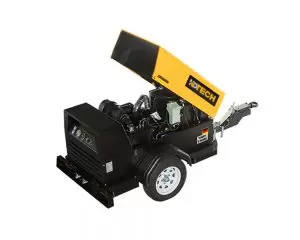
This guide explores low fuel consumption diesel air compressors, covering advanced technology, efficiency strategies, comparisons with conventional units, and solutions to common operational pitfalls. It helps industrial users reduce costs and meet sustainability goals.
Low Fuel Consumption Diesel Air Compressor
Related: high-efficiency diesel air compressor · fuel-saving industrial air compressor · eco-friendly diesel compressor for construction · low-emission diesel air compressor · variable speed diesel air compressor · energy-efficient pneumatic power source
Based on structural analysis, a low fuel consumption diesel air compressor represents a critical technological advancement designed to significantly reduce operational costs and environmental impact in industrial applications. This specialized equipment integrates sophisticated engine management, optimized air-end technology, and intelligent control systems to achieve unparalleled efficiency in converting fuel energy into compressed air. From a framework perspective, the importance of these advanced compressors cannot be overstated within sectors like construction, mining, road building, and manufacturing, where compressed air is a fundamental utility. The continuous demand for high-volume, reliable air supply often translates into substantial fuel expenditure, making efficiency gains directly proportional to profitability. In practical application, the primary problem low fuel consumption diesel air compressors solve is the historically high operational expense associated with conventional diesel-powered units, primarily driven by volatile fuel prices and increasingly stringent environmental regulations. By mitigating these challenges, they offer a compelling solution for businesses aiming to optimize their bottom line and bolster their sustainability initiatives.
Technical Architecture of Efficient Diesel Air Compressors
Low fuel consumption diesel air compressors achieve their remarkable efficiency through an integrated design focused on optimizing the engine, the compressor element, and intelligent control systems. This holistic approach ensures that every component works in synergy to minimize energy waste and maximize air output per unit of fuel consumed.
Key technological components include advanced diesel engines, often featuring electronic fuel injection (EFI) and turbocharging, which precisely manage fuel delivery and combustion for optimal power generation at varying loads. Unlike older mechanical systems, these engines dynamically adjust to demand, preventing over-consumption during periods of low usage.
Furthermore, the compressor element, commonly a rotary screw air end, is meticulously designed for enhanced volumetric efficiency and reduced internal friction. Coupled with variable speed drive (VSD) technology, the compressor’s RPM can be modulated to match the exact air flow requirements, eliminating the wasteful ‘load/no-load’ cycles characteristic of fixed-speed compressors. Robust cooling systems, often with oversized radiators and efficient fans, also contribute by ensuring the engine and air end operate at optimal temperatures, preventing performance degradation and extending component life.

Advanced Engine Management Systems
Modern low fuel consumption diesel air compressors leverage sophisticated engine management systems, including advanced electronic control units (ECUs) and often integrated telematics and Internet of Things (IoT) capabilities, to dynamically adjust performance based on real-time demand and operating conditions. These systems are the brain of the compressor, orchestrating its various functions for peak efficiency.
The ECU continuously monitors numerous engine parameters, such as engine speed, fuel pressure, intake air temperature, and exhaust gas composition. This data allows it to precisely control fuel injection timing and quantity, turbocharger boost, and exhaust gas recirculation, ensuring the engine operates within its most fuel-efficient curve across its entire operating range, from idle to full load. This precision tuning significantly reduces fuel consumption and emissions.
Beyond basic control, many contemporary units incorporate telematics systems that provide remote monitoring, diagnostic capabilities, and predictive maintenance alerts. This allows operators and fleet managers to track fuel consumption, machine location, operational hours, and performance data from anywhere, facilitating proactive maintenance, optimizing deployment, and identifying opportunities for further efficiency gains before issues arise. From a framework perspective, this data-driven approach is integral to sustaining long-term operational excellence.
Implementing Fuel-Saving Strategies in Compressor Operations
Maximizing fuel efficiency in diesel air compressor operations involves a multi-faceted approach encompassing strategic selection, proper sizing, rigorous preventative maintenance, and mindful operational practices. These steps are crucial for realizing the full potential of low fuel consumption units and ensuring a strong return on investment.
The first step is correct compressor sizing; an undersized compressor will continuously run at maximum capacity, while an oversized one will cycle inefficiently or run at low loads, both leading to increased fuel consumption. Conducting a thorough air audit to determine actual air demand and pressure requirements is paramount before selection. Based on structural analysis, matching compressor capacity to demand ensures the unit operates within its most efficient range.
Secondly, diligent preventative maintenance is non-negotiable. Regular replacement of air filters, oil filters, and engine oil, as well as routine inspection of the air end, hoses, and connections, prevents efficiency-robbing issues. Clogged filters restrict airflow and force the compressor to work harder, directly impacting fuel economy. From a framework perspective, neglecting these routines The Logic Behind Low Fuel Consumption Diesel Air Compressor A Structural Analysis rapidly erodes any inherent fuel efficiency benefits.
Finally, operator training on optimal usage is vital. Educating personnel on minimizing idle time, utilizing eco-mode or variable speed settings when applicable, and ensuring appropriate pressure settings for tasks can yield substantial fuel savings. In practical application, even small behavioral changes can collectively result in significant reductions in fuel expenditure over time.
Comparative Analysis: Conventional vs. Low Fuel Consumption Units
Low fuel consumption diesel air compressors differentiate themselves from conventional, fixed-speed models primarily through superior operational efficiency, significantly lower long-term costs, and a reduced environmental footprint, despite often having a higher initial capital outlay. This distinction is foundational to understanding their strategic value.
In terms of efficiency, modern low fuel consumption units can achieve fuel savings ranging from 15% to 30% or more compared to their older counterparts. This is largely due to variable speed drives that match power output to demand, eliminating the energy waste of continuous full-power operation when less air is needed. Conventional units, by contrast, frequently cycle between full load and idle, burning fuel even when not producing compressed air.
From a cost perspective, while the upfront investment for a low fuel consumption compressor might be higher, the total cost of ownership (TCO) is invariably lower over its lifespan. The substantial savings on fuel, which often accounts for 70-80% of a compressor’s operating expenses, quickly offset the initial premium. Additionally, reduced emissions can lead to fewer regulatory penalties and a smaller carbon tax burden in many regions, further enhancing long-term economic viability.
Regarding environmental impact, these advanced compressors emit fewer pollutants, including nitrogen oxides (NOx) and particulate matter, and significantly less carbon dioxide (CO2). This makes them a more sustainable choice, helping companies meet increasingly stringent environmental regulations and align with corporate sustainability goals, which is a key driver in today’s market from an entity-based writing perspective.
Common Operational Pitfalls and Expert Solutions
Common pitfalls in managing low fuel consumption diesel air compressors often stem from improper sizing, neglecting preventative maintenance schedules, and failing to fully utilize the advanced control features inherent in these sophisticated machines. Identifying and addressing these issues is critical for optimal performance.
A frequent mistake is selecting a compressor that doesn’t accurately match the application’s air demand. An oversized unit will frequently operate in inefficient partial load conditions, while an undersized one will be constantly strained, leading to higher fuel consumption in both scenarios. The solution involves conducting a thorough air demand audit and consulting with equipment experts to ensure precise sizing for peak efficiency.
Another significant pitfall is the failure to adhere strictly to the manufacturer’s preventative maintenance schedule. Neglecting regular oil changes, filter replacements, and air-end checks can lead to degraded performance, increased component wear, and a direct increase in fuel burn. Based on structural analysis, implementing a robust, proactive maintenance program ensures the compressor maintains its designed efficiency and extends its operational life, preventing costly breakdowns and maintaining fuel economy.
Furthermore, many operators underutilize the smart features and telematics capabilities of modern low fuel consumption compressors. Features like ‘eco-mode’, programmable schedules, and remote monitoring are designed to optimize efficiency but require user engagement. Professional advice includes investing in comprehensive operator training to ensure all advanced functionalities are understood and regularly employed to maximize fuel savings and operational insights.
Economic and Environmental Imperatives
The undeniable shift towards low fuel consumption diesel air compressors is propelled by a confluence of compelling economic incentives and increasingly stringent environmental regulations demanding lower emissions and enhanced sustainability. These factors are reshaping purchasing decisions and operational strategies across heavy industries.
From an economic perspective, fuel represents one of the largest and most variable operating expenses for diesel air compressor fleets. Even marginal improvements in fuel efficiency translate into substantial savings over thousands of operating hours, directly impacting a company’s profitability and competitive edge. The ability to hedge against volatile fuel prices by using less fuel provides a significant financial advantage.
The environmental imperative is equally powerful. Governments worldwide are imposing stricter emissions standards, such as Tier 4 Final in North America and Stage V in Europe, compelling manufacturers and operators to adopt cleaner technologies. Low fuel consumption compressors inherently produce fewer greenhouse gases and pollutants, ensuring compliance and avoiding potential fines or operational restrictions. In practical application, this aligns businesses with global efforts to reduce carbon footprints and improve air quality.
Beyond compliance, many corporations are embracing proactive sustainability goals, driven by corporate social responsibility and a desire to enhance their public image. Investing in low fuel consumption equipment aligns with these objectives, demonstrating a commitment to environmental stewardship and often unlocking new market opportunities or preferred partnership status with environmentally conscious clients. This strategic alignment provides both tangible and intangible benefits.
Related Reading: Oil & Gas Air Compressor Solutions for Drilling & Production
Further Reading
- Oil & Gas Air Compressor Solutions for Drilling & Production
- How 185 cfm Silent Diesel Air Compressors Are Reshaping Industrial Efficiency
- How 300 cfm Diesel Air Compressor Export to Africa Is Reshaping Industrial Infrastructure Development
- The Logic Behind 500 CFM Heavy Duty Diesel Air Compressors A Structural Analysis for Industrial Efficiency
- cost-effective pneumatic equipment – The Logic Behind C
- How Diesel Air Compressor Spare Parts Wholesale Optimizes Operational Continuity
- How 185 cfm diesel air compressor ISO certification Is Reshaping Construction and Industrial Efficiency
- How Proactive 185 cfm Diesel Air Compressor Maintenance Service Optimizes Industrial Operations
Related Applied Cases

Frequently Asked Questions
- How much fuel can I save with a low fuel consumption diesel air compressor compared to a conventional model?
- Modern low fuel consumption units typically achieve 15-30% fuel savings, thanks to variable speed drives (VSD), advanced engine management, and optimized air ends. These savings directly reduce operational costs over the compressor’s lifespan.
- What technologies make diesel air compressors low in fuel consumption?
- Key technologies include variable speed drives (matching output to demand), electronic fuel injection (EFI), turbocharging, advanced engine ECUs, and high-efficiency rotary screw air ends. These components work together to minimize waste and maximize efficiency.
- Is the higher upfront cost of a low fuel consumption diesel compressor worth it?
- Yes. The initial premium is quickly offset by fuel savings (which often make up 70-80% of compressor operating costs). Over thousands of hours, the total cost of ownership (TCO) is significantly lower than conventional units.
- How do I ensure my low fuel consumption compressor operates at peak efficiency?
- Conduct a thorough air demand audit to size the unit correctly, follow a strict preventative maintenance schedule, train operators to use eco-modes and minimize idle time, and utilize telematics to monitor performance and identify waste.
- What maintenance practices help preserve the fuel efficiency of my diesel compressor?
- Regularly replace air/oil/fuel filters, change engine and compressor oil as recommended, clean cooling systems to prevent overheating, and inspect for leaks or pressure drops. Clogged filters and leaks force the compressor to work harder, increasing fuel use.
- How do low fuel consumption diesel compressors help with environmental compliance?
- They emit fewer pollutants (NOx, particulates, CO2) due to cleaner combustion and lower fuel use, helping meet standards like EPA Tier 4 or EU Stage V. Reduced emissions also align with corporate sustainability goals and may avoid regulatory penalties.