

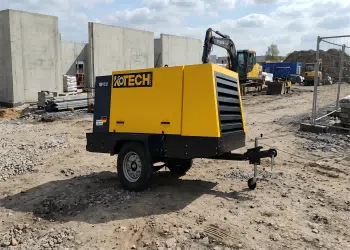
This guide explores 500 CFM heavy-duty diesel air compressors, covering core mechanics, implementation best practices, comparisons with alternatives, and solutions to common operational challenges. It helps industrial users maximize performance and reliability on large-scale projects.
500 CFM Heavy Duty Diesel Air Compressor
Related: high-volume diesel air compressor for construction · heavy-duty industrial pneumatic power · 500 CFM rotary screw diesel compressor · portable high-output diesel air compressor · industrial-grade diesel air compressor for mining · high-pressure diesel air compressor for pipelines
The 500 CFM heavy duty diesel air compressor stands as a quintessential power source, engineered to meet the rigorous demands of pneumatic tools and processes across a spectrum of challenging industrial environments. This class of compressor addresses a critical need for high-volume, consistent air delivery without reliance on fixed electrical grids, effectively solving the problem of remote power access and enabling significant operational flexibility on large-scale projects. Its indispensable nature is evident in sectors such as industrial construction, mining, infrastructure development, and pipeline projects, where its robust performance directly contributes to accelerated productivity and adherence to project timelines.
The Core Mechanics of a 500 CFM Heavy Duty Diesel Air Compressor
A 500 CFM heavy duty diesel air compressor is fundamentally a robust, portable power unit designed to convert the mechanical energy of a diesel engine into compressed air, typically delivering 500 cubic feet per minute (CFM) at pressures often ranging from 100 to 150 PSI.
Based on structural analysis, these units integrate a high-performance diesel engine, a rotary screw air end (the primary compression mechanism), an advanced cooling system, and sophisticated control systems, all housed within a durable, often weather-resistant enclosure built for demanding field conditions.
From a framework perspective, the engine powers the rotary screw compressor, which draws in atmospheric air and compresses it through the synchronized rotation of two intermeshing rotors. This highly compressed air is then cooled, filtered, and regulated before being delivered to pneumatic tools or industrial systems, ensuring clean and consistent power.
Key components include heavy-duty chassis, ample fuel tanks, multi-stage air filters, precision oil filters, and electronic control units that continuously monitor operational parameters, ensuring optimal performance, fuel efficiency, and protection against overpressure or overheating, aligning with stringent ISO 8573-1 air quality standards for industrial applications.
Strategic Implementation and Operational Best Practices
Strategic implementation of a 500 CFM heavy duty diesel air compressor involves meticulous site assessment, proper positioning, connection to appropriate air tools, and strict adherence to manufacturer guidelines for optimal performance, enhanced safety, and extended operational life.
In practical application, the first step is to verify the combined CFM and PSI requirements of all tools intended for simultaneous operation to ensure the compressor’s capacity is not exceeded, which prevents efficiency drops, tool damage, and premature wear. Consideration of air hose sizing and length is also critical to minimize pressure drop across the distribution network.
Proper positioning of the unit requires a stable, level surface with adequate ventilation to prevent overheating, and a safe distance from active work zones to mitigate noise and exhaust fumes. Regular pre-operation checks, including engine fluid levels (oil, coolant), air filter condition, fuel levels, and the integrity of all hoses and connections, are crucial for preventing unscheduled downtime and ensuring operational readiness.
Implementing a strict, proactive maintenance schedule, encompassing routine oil changes, filter replacements for both engine and air systems, and annual service checks by qualified technicians, significantly extends the compressor’s lifespan, maintains its peak efficiency, and upholds operational reliability, aligning with best practices for heavy equipment longevity and safety compliance.
Comparative Analysis: 500 CFM Diesel Air Compressors vs. Alternatives
A 500 CFM heavy duty diesel air compressor distinguishes itself from electric compressors and smaller portable gasoline-powered units primarily through its unparalleled combination of power, mobility, and independence from fixed power grids, which is crucial for large-scale, remote operations in industrial construction.
When comparing dimensions like “Complexity,” diesel units, while requiring more elaborate fuel management and engine maintenance, offer a self-contained power solution, unlike electric models that depend heavily on pre-existing power infrastructure. In terms of “Efficiency,” diesel compressors often excel in fuel economy for prolonged, heavy-duty use, though initial fuel procurement costs might be higher than grid electricity.
From a “Cost” perspective, the upfront investment for a 500 CFM diesel unit is generally higher than an equivalent electric model or several smaller gasoline-powered units. However, its “Frequency” of use in demanding, continuous applications across vast work sites often justifies this initial outlay, providing superior, uninterrupted performance and reliability where other options would prove impractical or inadequate.
Navigating Operational Challenges: Common Pitfalls and Expert Solutions
Common pitfalls in operating 500 CFM heavy duty diesel air compressors often include inadequate preventive maintenance, improper sizing for specific applications, and neglecting environmental factors, each with straightforward professional solutions to ensure optimal performance, safety, and longevity.
A frequent mistake is neglecting the air filtration system, which can lead to the ingress of abrasive particles, causing premature wear of the air end and contamination of the compressed air. Professional advice suggests strict adherence to manufacturer-recommended filter replacement intervals and the exclusive use of genuine OEM parts to maintain specified air quality standards and protect critical internal components.
Another pitfall involves operating the compressor in extreme ambient temperatures without proper cold-weather kits or adequate ventilation for heat dissipation, which can severely stress the engine and compressor components. Solution: Implement appropriate climate control measures, such as cold-start aids in winter and ensuring unobstructed airflow in summer, and always use the correct engine oil and coolant specifications for the operating environment, as detailed in the operator’s manual, adhering to ANSI B151.1 safety standards for machinery.
Related Reading: Oil & Gas Air Compressor Solutions for Drilling & Production
Further Reading
- The Logic Behind large diesel air compressor 500 cfm A Structural Analysis
- Diesel Air Compressors for Industrial Excellence: Kotech’s Custom Solutions for Mining, Construction & Drilling
- Overcoming On-Site Power Challenges The Strategic Value of a Used 300 CFM Diesel Air Compressor for Sale
- How 300 CFM Diesel Air Compressor for Quarry Is Reshaping Site Efficiency and Productivity
- 500 CFM heavy duty diesel air compressor – The Logic Behind 1
- The Logic Behind Diesel Air Compressors A Structural Analysis for Heavy Industrial Operations
- Oil & Gas Air Compressor Solutions for Drilling & Production
- How 185 cfm Silent Diesel Air Compressors Are Reshaping Industrial Efficiency
Related Applied Cases
Frequently Asked Questions
- What projects are 500 CFM heavy-duty diesel air compressors best suited for?
- They’re ideal for large-scale construction, mining, pipeline installation, and infrastructure projects requiring continuous high-volume air for multiple tools (e.g., jackhammers, sandblasters, rock drills) simultaneously, especially in remote locations without grid power.
- How do I calculate the right CFM for my project using a 500 CFM compressor?
- Sum the CFM requirements of all tools you’ll use simultaneously, then add a 20-30% safety margin. Ensure the compressor’s continuous output exceeds this total to avoid pressure drops and overworking the unit.
- What maintenance is required to keep a 500 CFM heavy-duty diesel compressor running reliably?
- Follow the manufacturer’s schedule: daily pre-operation checks (fluid levels, filters, connections), regular oil/filter changes (engine + compressor), air end inspections, and annual service by qualified technicians. Strict filter replacement prevents air end damage from contaminants.
- How do 500 CFM diesel compressors compare to electric alternatives for large projects?
- Diesel units offer complete independence from grid power, making them essential for remote sites. They handle continuous heavy-duty use better than electric models, which require robust power infrastructure. The trade-off is higher maintenance complexity and fuel costs.
- What safety and environmental considerations apply to operating a 500 CFM diesel compressor?
- Position the unit on stable, level ground with adequate ventilation to prevent overheating and exhaust buildup. Follow ANSI safety standards, use spark arrestors where required, and ensure proper noise control measures for populated areas.
- Can a 500 CFM diesel compressor power multiple tools at once?
- Yes, provided the total CFM demand of the tools doesn’t exceed the compressor’s rated output (plus safety margin). Proper hose sizing and minimizing pressure drops are critical to maintaining consistent performance across all tools.