
In the demanding oil and gas sector, reliable air compressor solutions are non-negotiable for both drilling and production. This guide, penned by a veteran with over a decade in the field, cuts through the noise to deliver actionable insights on selecting, deploying, and maintaining robust compressed air systems. We’ll cover everything from mitigating costly downtime and optimizing energy efficiency to navigating strict regulatory environments and leveraging cutting-edge digital technologies.
Unlocking Operational Excellence with Tailored O&G Air Compressor Solutions
Key Takeaways
- <ul>
- <li>Reliable air compressors are critical for O&G, directly impacting uptime and safety.</li>
- <li>O&G downtime costs are high (e.g., $50k-$200k/hr), driving demand for robust solutions.</li>
- <li>Specific challenges include extreme temperatures, corrosion, remote locations, and dust.</li>
- <li>Drilling needs high-pressure, portable, rugged compressors; production needs clean instrument/process air.</li>
- <li>VSD compressors offer significant energy savings by matching air demand.</li>
- <li>Digitalization and predictive maintenance reduce costs and unplanned downtime.</li>
- <li>Standard compressors are inadequate; O&G solutions require specialized design and compliance.</li>
- </ul>
Related: Drilling rig air compressors · Production facility compressed air · Offshore air compressor systems · Onshore gas compression · Industrial air for E&P · Instrument air in oilfield · Process air for upstream · Variable speed drive compressors · Harsh environment air solutions · Predictive maintenance O&G
- Reliability is paramount; downtime costs millions.
- Efficiency gains from VSD and advanced controls cut operational expenses significantly.
- Compliance and safety drive specialized equipment choices.
- Digitalization offers predictive maintenance and remote monitoring advantages.
- Matching compressor type to specific application (drilling vs. production) is crucial.
The Critical Role of Air Compressors in O&G Operations
Let’s be direct: in oil and gas, air compressors aren’t just another piece of equipment; they’re the lifeblood of countless critical operations. From powering pneumatic tools on a drilling rig to providing instrument air for complex control systems in a production facility, reliable compressed air is absolutely essential. Any failure here doesn’t just slow things down; it can halt operations entirely, leading to catastrophic financial losses and potential safety hazards. This isn’t theoretical; it’s a hard truth the industry lives with daily.
For those of us who’ve been on the ground, we know the stakes are incredibly high. You need solutions that perform under extreme conditions, maintain uptime, and keep operational costs in check. It’s a tall order, but achievable with the right strategy.
Market Dynamics & Operational Imperatives: What the Data Shows
The landscape for oil and gas exploration and production (E&P) is constantly evolving, driven by global energy demand and technological advancements. This directly impacts the demand for robust, efficient compressed air systems.
The global industrial air compressor market, with a significant segment dedicated to the O&G sector, is projected to grow from $35.4 billion in 2023 to an estimated $48.9 billion by 2030 (Grand View Research, 2023). This growth isn’t just about more units; it’s about higher performance, better efficiency, and smarter integration. Operators are pushing for equipment that can withstand the harshest environments, from the scorching deserts to the freezing Arctic, or the corrosive offshore platforms.
The cost of failure is staggering. The average cost of unplanned downtime in the oil and gas industry can range from $50,000 to $200,000 per hour, with some offshore incidents far exceeding that (Deloitte, 2022). This isn’t just a number; it’s a stark reminder of why reliability trumps everything else when specifying air compressor solutions. Furthermore, adopting predictive maintenance strategies, often enabled by advanced compressor systems, has been shown to reduce maintenance costs by 10-40% and slash unplanned downtime by up to 50% (PwC, 2022). These aren’t minor improvements; they’re game-changers for your bottom line.
Understanding the Core Challenges: Why Standard Solutions Fall Short
The oil and gas environment presents unique challenges that bog-standard industrial compressors simply aren’t built to handle. We’re talking about:
- Extreme Temperatures: From sub-zero to scorching desert heat, equipment must perform reliably.
- Corrosive Environments: Saltwater, H2S, and other aggressive chemicals quickly degrade unprotected components, especially offshore.
- Remote Locations: Access for maintenance and troubleshooting is often difficult and expensive, making reliability and remote monitoring critical.
- Dust and Debris: Drilling sites are notoriously dusty, demanding superior filtration systems to prevent internal damage.
- Vibration and Shock: Equipment on drilling rigs or pipelines experiences constant movement and impact.
- Strict Safety & Environmental Regulations: Compliance isn’t optional; it’s a legal and ethical imperative.
These factors mean you can’t just pick any compressor off the shelf. You need purpose-built or heavily customized solutions engineered for resilience.
Tailored Compressor Solutions for Drilling Applications
Drilling operations – whether onshore or offshore – demand robust, high-pressure, and often portable compressed air. Here’s a breakdown of common needs and solutions:
Rotary Screw Compressors: The Workhorse for Rigs
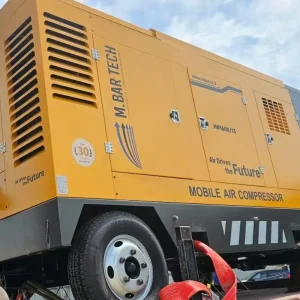
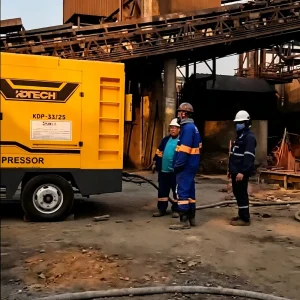
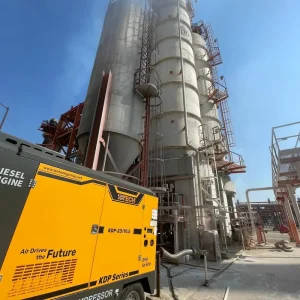
For most drilling applications, especially powering pneumatic tools, mud systems, and blast hole drilling, heavy-duty rotary screw compressors are the go-to. They offer continuous, high-volume air delivery.
- Key Considerations:
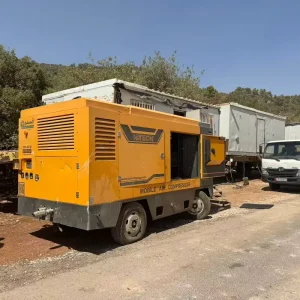
- Portability: Skid-mounted or trailer-mounted units are common for easy relocation.
- Rugged Enclosures: Essential for protection against dust, weather, and impact.
- High Pressure Capability: Often requiring pressures up to 350-500 psi for specific drilling tasks.
- Filtration: Multi-stage filtration is critical to protect sensitive pneumatic equipment from dust and moisture.
Instrument Air for Control Systems
Many modern drilling rigs use sophisticated automated control systems that rely on clean, dry instrument air. This air must be free of oil, moisture, and particulates to prevent damage to sensitive valves, actuators, and sensors. Often, a dedicated, smaller compressor with advanced air treatment (dryers, filters) is used for this purpose.
Optimizing Compressed Air for Production Facilities
Once oil and gas are flowing, the focus shifts to processing, separation, and transportation. Compressed air plays a different, but equally vital, role here.
Process Air & Nitrogen Generation
In production facilities, compressed air is often used for:
- Process Control: Operating pneumatic valves, actuators, and instrumentation.
- Gas Blanket Systems: Using nitrogen (generated on-site via membrane or PSA systems powered by compressed air) to inert tanks and pipelines, preventing oxidation and explosions.
- Pipeline Pigging: Using compressed air to propel cleaning or inspection devices through pipelines.
Reciprocating vs. Rotary Screw for Production
While rotary screw compressors still have their place, especially for general utility air, reciprocating compressors are often preferred for high-pressure applications or where intermittent demand allows for start-stop cycles. For critical instrument air, oil-free rotary scroll or centrifugal compressors might be specified to ensure absolute air purity. Variable Speed Drive (VSD) compressors are also incredibly popular due to their energy efficiency, precisely matching air output to demand, which is common in many production scenarios.
When Standard Compressors Just Won’t Cut It: Boundary Conditions
It’s important to understand that not every “heavy-duty” compressor is suitable for O&G. For instance, a standard industrial compressor designed for a factory floor, even if it’s a robust model, simply won’t survive long on an offshore platform without significant modifications. The salt spray, constant vibration, and corrosive atmosphere would quickly lead to failure. Similarly, a compressor optimized for clean, indoor air won’t hold up to the extreme dust and temperature swings of an onshore drilling site.
Only when a compressor system is explicitly designed or heavily customized with features like specialized coatings, robust enclosures, advanced filtration, and intrinsically safe components for hazardous areas, does it truly become an “oil and gas solution.” Anything less is a gamble you can’t afford.
The Future is Smart: Digitalization & Predictive Maintenance
The industry is moving rapidly towards digitalization. Modern air compressor solutions for O&G now integrate advanced sensors, IoT connectivity, and AI-driven analytics. This allows for:
- Remote Monitoring: Operators can track compressor performance, pressure, temperature, and energy consumption from a central control room, anywhere in the world.
- Predictive Maintenance: Instead of reactive fixes or time-based overhauls, systems can predict potential failures before they occur, scheduling maintenance only when needed. This minimizes downtime and optimizes resource allocation.
- Energy Optimization: Real-time data helps identify inefficiencies, allowing for adjustments that reduce energy consumption and operational costs.
Honestly, neglecting these smart features in new installations is leaving money on the table. The ROI on predictive maintenance alone is often compelling.
Choosing Your Partner: More Than Just a Compressor
Selecting the right air compressor solution for your drilling and production needs goes beyond just horsepower and CFM. It’s about partnering with a supplier who understands the unique demands of the oil and gas industry. Look for:
- Industry Expertise: A proven track record in O&G, not just general industrial applications.
- Customization Capabilities: The ability to tailor solutions for your specific operational environment and regulatory requirements.
- Global Service & Support: Especially crucial for remote and international operations.
- Compliance Know-How: Ensuring equipment meets API standards, ATEX directives, and other relevant certifications for hazardous locations.
- Total Cost of Ownership (TCO) Focus: A partner who considers not just the purchase price, but energy consumption, maintenance, and expected lifespan.
My take is this: you can’t afford to compromise on your compressed air systems. Investing in the right solutions upfront, backed by expert support, will pay dividends in reliability, efficiency, and safety for years to come.
Expert Insights
"Having spent over a decade navigating the complexities of compressed air systems in upstream operations, I can tell you that cutting corners on your air compressor investment is a false economy. The initial savings are quickly dwarfed by the costs of unplanned downtime, excessive energy consumption, and non
— compliance. My firm belief is that a proactive, tailored approach, embracing both rugged hardware and smart digital integration, is the only sustainable path to operational excellence in this demanding sector."
Further Reading
- Mining Air Compressor Case Studies | Global Industrial Projects
- Mining Air Compressor Solutions for Underground & Surface Mines
- How 185 cfm Silent Diesel Air Compressors Are Reshaping Industrial Efficiency
- How 300 cfm Diesel Air Compressor Export to Africa Is Reshaping Industrial Infrastructure Development
- Oil & Gas Air Compressor Solutions – The Logic Behind 5
- The Logic Behind Custom 185 CFM Diesel Air Compressor for Oil Field A Structural Analysis
- How Diesel Air Compressor Spare Parts Wholesale Optimizes Operational Continuity
- The Logic Behind Low Fuel Consumption Diesel Air Compressor A Structural Analysis
Related Reading: Industrial Air Compressor Insights for Mining Operations
Related Applied Cases