

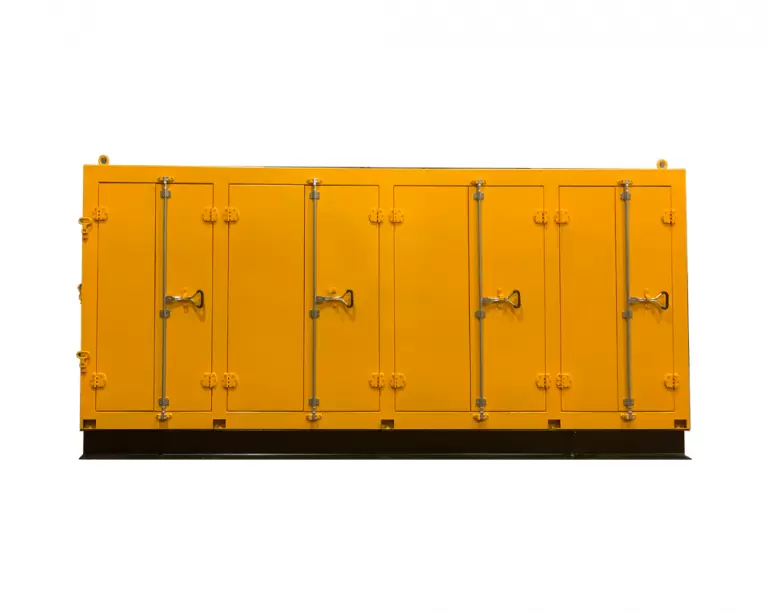
This guide explores exporting 300 CFM diesel air compressors to Africa, covering environmental adaptations, logistics planning, comparative advantages, and risk mitigation strategies for successful deployment in construction, mining, and drilling.
300 CFM Diesel Air Compressor Export to Africa
Related: African industrial air compressor supply · heavy-duty diesel air compressor for remote African sites · tropicalized 300 CFM diesel compressor · export-grade air compressor for African mining projects · rugged diesel air compressor for African construction · high-volume pneumatic power for African infrastructure
The strategic deployment and distribution of robust, medium-capacity portable air compressors, specifically engineered for heavy-duty industrial applications, from manufacturing hubs to various African nations is precisely what 300 CFM diesel air compressor export to Africa signifies. This critical export pathway underpins a vast array of development projects, providing essential pneumatic power where grid infrastructure is nascent or non-existent. From a framework perspective, these self-contained power units are not merely machines; they are catalysts for economic growth, enabling critical operations in sectors ranging from large-scale construction and mining to vital agricultural initiatives and road building. Their significance cannot be overstated in a continent experiencing rapid, yet often dispersed, industrialization. The primary problem that 300 CFM diesel air compressor export to Africa solves is the continent’s pervasive and growing need for reliable, autonomous pneumatic power in remote or grid-limited areas. These compressors deliver consistent air pressure to power a myriad of tools, facilitate drilling operations, and support essential on-site fabrication, addressing power supply challenges directly at the point of need.
The Core Mechanics and Operational Logic of 300 CFM Diesel Air Compressors for African Markets
The core mechanics and operational logic of 300 CFM diesel air compressors for African markets involve robust reciprocating or rotary screw compression systems powered by efficient, durable diesel engines, specifically engineered to operate reliably under challenging environmental conditions. Based on structural analysis, these units prioritize longevity and performance in extreme operational contexts.
At the heart of a 300 CFM diesel air compressor is a powerful, fuel-efficient diesel engine, typically from reputable manufacturers, designed to provide consistent torque and horsepower under varied loads. This engine drives the air end, which is commonly a rotary screw compressor due to its continuous duty cycle, high efficiency, and minimal pulsation, delivering a steady 300 cubic feet per minute (CFM) of compressed air at standard operating pressures, usually around 100-150 PSI.
Essential components also include sophisticated control panels for monitoring engine parameters, air pressure, and safety shutdowns, alongside advanced air filtration systems critical for dusty African environments. The cooling system is often oversized or tropicalized to maintain optimal operating temperatures in high ambient heat, and the entire assembly is housed within a rugged, often trailer-mounted, chassis for mobility and protection against harsh terrains.
Essential Adaptations for Africa’s Diverse Operating Environments
Essential adaptations for Africa’s diverse operating environments are paramount for ensuring the long-term reliability and efficiency of 300 CFM diesel air compressors, moving beyond standard configurations to meet specific regional challenges. These modifications address unique climatic, geographical, and logistical realities across the continent.
Firstly, enhanced air filtration systems are non-negotiable. Given the prevalence of dust in many African regions, multi-stage air filters, often with pre-cleaners and heavy-duty elements, are crucial to protect the engine and air end from abrasive particles, significantly extending the lifespan of internal components. Similarly, tropicalized cooling packages, featuring larger radiators and often higher-capacity fans, are vital to prevent overheating in ambient temperatures that frequently exceed 40°C (104°F).
Furthermore, robust chassis and undercarriages are essential for navigating unpaved and challenging roads, ensuring the compressor’s structural integrity during transport to remote project sites. High-altitude kits may be required for operations in elevated regions, compensating for reduced atmospheric pressure to maintain engine power and compressor output. Finally, considerations for fuel quality, with engines capable of handling varying diesel specifications, and readily accessible maintenance points for simplified field servicing are pivotal for sustained performance.
Strategic Deployment: A Phased Approach to 300 CFM Diesel Air Compressor Export
Strategic deployment for 300 CFM diesel air compressor export to Africa involves a meticulous multi-phase process encompassing market analysis, product adaptation, logistics planning, and localized support infrastructure development to ensure successful integration and operation. This methodical approach minimizes risks and maximizes operational uptime.
The initial phase involves a comprehensive market needs assessment, identifying specific industry demands such as mining, large-scale construction, water well drilling, and road building across target regions like West Africa, East Africa, or Southern Africa. This includes understanding the regulatory landscape, local industry standards, and the prevalent types of pneumatic tools used. Based on this, product specification and customization proceed, selecting compressors with features like heavy-duty filtration, robust chassis, high-altitude kits, and compliance with local emissions and safety standards, directly addressing identified needs.
Subsequent phases focus on logistics and shipping planning, which is primarily sea freight, necessitating careful documentation, customs procedures, and robust port handling capabilities in destination countries. Establishing local partnerships with distributors, service centers, and technical support teams is then critical for in-country support, followed by comprehensive training programs for local operators and technicians. This holistic strategy ensures that the compressors are not only delivered but are also efficiently maintained and operated throughout their lifecycle.
Comparative Analysis: 300 CFM Diesel vs. Alternative Compressor Solutions
From a comparative standpoint, evaluating 300 CFM diesel portable air compressors against alternative solutions highlights their distinct advantages and niche utility within the African context, primarily in terms of autonomy and versatility. This analysis helps in understanding optimal application scenarios.
While electric stationary compressors offer high efficiency and low operational noise in grid-connected environments, their reliance on a stable power supply severely limits their utility in the off-grid or remote sites common across Africa. Smaller diesel portable compressors (e.g., 185 CFM) provide greater portability and lower initial cost but often How 300 cfm Diesel Air Compressor Export to Africa Is Reshaping Industrial Infrastructure Development lack the sustained power and capacity required for heavy-duty applications like deep drilling or simultaneous operation of multiple construction tools. Conversely, larger diesel portable compressors (e.g., 600 CFM) offer superior power but come with significantly higher acquisition and transportation costs, making them overkill for medium-scale projects where a 300 CFM unit perfectly balances output and economy.
In practical application, the 300 CFM diesel unit consistently emerges as the optimal choice for a wide array of medium-duty industrial and infrastructure projects due to its blend of power, autonomy, and manageable logistics. Its ability to operate independently of external power sources, coupled with sufficient output for core tasks, positions it as a workhorse in environments where reliability and self-sufficiency are paramount. The following table provides a structural analysis of these comparisons:
| Feature / Compressor Type | 300 CFM Diesel Portable | Electric Stationary (e.g., 300 CFM Equivalent) | 185 CFM Diesel Portable | 600 CFM Diesel Portable |
| :————————– | :———————- | :——————————————— | :———————— | :———————- |
| **Complexity** | Moderate | High (installation, grid reliance) | Low | High (size, transport) |
| **Efficiency** | High (fuel, autonomous) | Very High (power conversion) | Moderate (smaller tasks) | High (heavy-duty) |
| **Cost** | Moderate-High (initial) | Moderate (initial, plus grid infra) | Low-Moderate | High |
| **Frequency of Use Suitability** | Frequent (medium-scale construction, mining, drilling) | Continuous (fixed plant operations) | Intermittent (light-duty, utility) | Frequent (large-scale infrastructure, deep drilling) |
Based on structural analysis, the 300 CFM diesel portable unit strikes a strategic balance, offering robust performance without the prohibitive costs or infrastructural dependencies of larger or electric alternatives, making it ideal for the dynamic African project landscape.
Mitigating Risks: Common Pitfalls and Professional Solutions in African Compressor Export
Navigating the complexities of 300 CFM diesel air compressor export to Africa requires foresight to mitigate common pitfalls, which, if unaddressed, can lead to significant operational delays and financial losses. Experienced exporters apply proactive strategies to ensure successful project execution.
A frequent mistake is underestimating the need for adequate environmental adaptation. Many exporters fail to specify enhanced filtration, tropicalized cooling, or robust chassis protection, leading to premature equipment failure in dusty, hot, or rugged African conditions. The professional solution involves rigorous pre-shipment specification, demanding manufacturers incorporate heavy-duty industrial filters, oversized cooling packages, and reinforced undercarriages, often with high-clearance designs. Conducting site assessments or consulting local experts on specific environmental challenges is also critical.
Another pitfall is neglecting the intricacies of local logistics and customs, leading to unexpected import duties, lengthy clearance processes, and difficult inland transportation. To counter this, engaging local logistics partners with proven expertise in African customs regulations and freight forwarding is paramount. Thorough due diligence on import duties, taxes, and required pre-shipment inspections (e.g., SONCAP, COC) for each target country, along with pre-planning inland transport routes from the port to the final site, can significantly streamline the process. Finally, insufficient after-sales support, characterized by a lack of spare parts availability or trained local technicians, often results in prolonged downtime. The solution here is to establish a robust local supply chain for consumables and critical spares, coupled with significant investment in local technician training programs. This ensures prompt servicing and reduces reliance on costly expatriate support, guaranteeing operational continuity and maximizing equipment lifespan.
Related Reading: Oil & Gas Air Compressor Solutions for Drilling & Production
Further Reading
- Oil & Gas Air Compressor Solutions for Drilling & Production
- How 185 cfm Silent Diesel Air Compressors Are Reshaping Industrial Efficiency
- The Logic Behind 500 CFM Heavy Duty Diesel Air Compressors A Structural Analysis for Industrial Efficiency
- The Logic Behind Custom 185 CFM Diesel Air Compressor for Oil Field A Structural Analysis
- 300 CFM diesel air compressor export to Africa – How Diesel Air Com
- The Logic Behind Low Fuel Consumption Diesel Air Compressor A Structural Analysis
- How 185 cfm diesel air compressor ISO certification Is Reshaping Construction and Industrial Efficiency
- How Proactive 185 cfm Diesel Air Compressor Maintenance Service Optimizes Industrial Operations
Related Applied Cases
Frequently Asked Questions
- Why are 300 CFM diesel air compressors the preferred choice for African industrial projects?
- They strike a strategic balance between power and portability, delivering enough airflow for medium-duty construction, mining, and drilling while remaining manageable for transport to remote sites. Unlike larger units, they avoid excessive costs, and unlike smaller compressors, they handle continuous heavy use without lag.
- What environmental adaptations are critical for 300 CFM diesel compressors in African climates?
- Key adaptations include multi-stage air filtration to combat dust, tropicalized cooling systems to prevent overheating in high temperatures, reinforced chassis for rugged terrain, and high-altitude kits for elevated regions. These features ensure reliability in Africa’s diverse and harsh operating conditions.
- What logistics and customs considerations are essential for exporting compressors to African countries?
- Engage local logistics partners familiar with African customs regulations, pre-verify import duties and required certifications (e.g., SONCAP, COC), and plan for inland transport from ports to remote sites. Proper documentation and pre-planning avoid delays and unexpected costs.
- How do 300 CFM diesel compressors compare to electric or smaller diesel alternatives for African projects?
- Electric compressors depend on unstable grid power, while smaller diesel units lack the sustained output for heavy-duty tasks. The 300 CFM model offers complete autonomy, sufficient airflow for multiple tools, and manageable logistics, making it ideal for off-grid African operations.
- What after-sales support is needed to keep compressors running in remote African locations?
- Establish a local supply chain for spare parts and consumables, provide training for local technicians, and ensure access to remote technical support. This reduces downtime caused by maintenance delays or lack of trained personnel.
- Can 300 CFM diesel compressors be customized for specific African industries like mining or road construction?
- Yes. They can be adapted with features like heavy-duty filtration for mining, compact designs for road building, or corrosion-resistant components for coastal projects. Customization ensures the unit meets the unique demands of your specific application.