

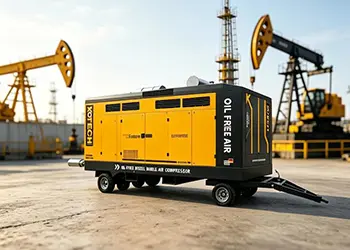
This guide explores 185 CFM silent diesel air compressors, covering technical design, deployment strategies, performance comparisons, and solutions to common pitfalls. It helps industrial users meet noise regulations while maintaining robust pneumatic power.
185 CFM Silent Diesel Air Compressor Industrial
Related: low-noise 185 CFM diesel air compressor · urban construction quiet air compressor · industrial silent pneumatic power source · Tier 4 compliant silent diesel compressor · compact low-noise air compressor for remote sites · efficient quiet diesel air compressor
The 185 cfm silent diesel air compressor industrial represents a critical evolution in mobile pneumatic power, offering a unique blend of robust output, fuel efficiency, and significantly reduced noise pollution. This class of equipment is specifically engineered for environments where high-volume compressed air is essential, but operational noise must be minimized. At its core, this technology addresses the longstanding industrial challenge of deploying powerful machinery without infringing on stringent noise regulations or disrupting sensitive work zones. Its design integrates advanced sound-dampening materials and precision-tuned diesel engines, making it an indispensable asset for urban construction, infrastructure maintenance, and various remote industrial applications. Based on structural analysis, the primary problem this category solves is the inherent trade-off between power and environmental compliance. Traditional industrial compressors often produce noise levels detrimental to worker health and public relations, limiting their deployment. The 185 cfm silent diesel compressor directly counters this, providing uncompromised performance while adhering to modern acoustic standards, thereby enhancing operational flexibility and safety across diverse industrial landscapes.
Technical Core: Deconstructing the 185 CFM Silent Diesel Compressor
From a framework perspective, the 185 cfm silent diesel air compressor is a marvel of integrated engineering, meticulously designed to balance performance with acoustic management. Its core components include a robust, emissions-compliant diesel engine, typically a Tier 4 Final unit, which powers a highly efficient rotary screw or vane compressor block. This combination is engineered to deliver a consistent 185 cubic feet per minute (CFM) of air at specified pressures, often around 100-150 PSI, suitable for a wide array of pneumatic tools and applications.
The ‘silent’ aspect is achieved through a multi-layered approach. This includes a fully enclosed, heavy-duty canopy constructed with sound-absorbing materials and anti-vibration mounts for the engine and compressor. Advanced exhaust systems and low-noise cooling fans further contribute to reducing decibel levels to often below 75 dB at 7 meters, a significant improvement over standard models. This meticulous acoustic engineering ensures that operations can proceed in noise-sensitive areas without major disruption.
Further technical considerations include sophisticated control panels offering intuitive operation and comprehensive diagnostics, high-capacity fuel tanks for extended run times, and robust filtration systems for both engine air intake and compressed air output. The integration of intelligent pressure regulation and safety shutdowns protects both the equipment and the operators, underscoring its design as a reliable and user-friendly industrial solution.
Strategic Deployment: Implementing 185 CFM Silent Diesel Compressors
In practical application, the successful deployment of a 185 cfm silent diesel air compressor hinges on a clear, systematic approach. The initial step involves a thorough site assessment, evaluating the specific CFM and PSI requirements of the tools or processes to be powered. Over- or under-sizing can lead to inefficiencies or inadequate performance, so precise calculations based on aggregate tool consumption are paramount.
Once sizing is confirmed, the physical placement and setup are critical. Given their portable nature, these units are often trailer-mounted. Ensure stable, level ground and adequate ventilation around the unit for optimal cooling. Fueling protocols must adhere to safety standards, utilizing clean, appropriate diesel fuel to protect the engine and maintain emission compliance. Regular checks of oil levels, coolant, and air filters before each operational shift are non-negotiable for longevity and performance.
Finally, connecting to the pneumatic system involves using properly rated hoses and fittings, ensuring no leaks that could diminish efficiency. Operators must be trained on the control panel, safety features, and basic troubleshooting. Implementing a preventative maintenance schedule, based on manufacturer recommendations and hours of operation, is crucial to maximize uptime and return on investment, aligning with best practices for heavy industrial equipment management.
Performance Metrics: Comparative Analysis of Industrial Compressors
When evaluating industrial air compressors, the 185 cfm silent diesel unit stands out in several key performance dimensions compared to its counterparts, such as larger utility-mounted diesel compressors or electric portable units. In terms of *Complexity*, the silent diesel model strikes a balance: it’s more intricate than a basic electric portable due to its diesel engine and advanced acoustic enclosure, yet less complex to deploy than a large, fixed-site utility compressor requiring significant infrastructure. Its self-contained nature offers operational simplicity on diverse job sites.
Regarding *Efficiency*, the 185 cfm silent diesel compressor excels in fuel efficiency per CFM delivered, particularly for extended periods in remote locations where grid power is unavailable. While electric portables might offer high energy efficiency when grid-connected, their operational cost can skyrocket if a generator is needed. Utility-mounted diesels offer raw power but are less agile. From a *Cost* perspective, the initial investment for a silent diesel unit is higher than a basic electric portable but often justified by its versatility and lower operational costs in situations requiring extended independent power. Its total cost of ownership is competitive when factoring in mobility and reduced environmental impact.
Finally, *Noise Levels* are where the 185 cfm silent diesel truly differentiates itself. While larger utility-mounted diesel compressors are typically much louder, and even many standard portable diesels exceed local noise ordinances, the silent variant operates at significantly reduced decibel levels (e.g., <75 dB). This allows for operation in urban areas, residential zones, and sensitive industrial sites without requiring additional noise attenuation measures, minimizing disruption and enhancing compliance with regulations.
Avoiding Operational Missteps: Common Pitfalls and Professional Solutions
A frequent mistake in deploying 185 cfm silent diesel air compressors is neglecting the critical importance of regular, scheduled maintenance. Operators sometimes view these robust machines as invincible, overlooking routine oil changes, filter replacements (air, oil, fuel), and coolant checks. This oversight dramatically shortens the lifespan of the unit and leads to unexpected breakdowns. Professional advice dictates strict adherence to the manufacturer’s preventative maintenance schedule, coupled with predictive maintenance based on operational hours and environmental factors, ensuring optimal performance and longevity.
Another common pitfall involves the improper selection and maintenance of air filtration systems, both for the engine intake and the compressed air output. Operating in dusty or corrosive environments without appropriate filtration or allowing filters to become clogged reduces engine efficiency, contaminates compressed air, and can damage pneumatic tools. The solution lies in performing daily filter inspections, replacing them according to manufacturer guidelines, and using specialized filters tailored to the ambient conditions of the operating site.
Lastly, misjudging the actual air demand (CFM) and pressure (PSI) for specific applications is a significant error. Using a 185 cfm unit for tasks requiring substantially more air can lead to underperformance and premature wear, while using it for much smaller tasks can be inefficient. A professional approach involves meticulously calculating the combined air requirements of all tools and processes that will simultaneously operate from the compressor. Consulting with experienced pneumatic system engineers can help ensure the compressor’s capacity perfectly matches the demands, optimizing both efficiency and equipment lifespan.
Further Reading
- Oil & Gas Air Compressor Solutions for Drilling & Production
- How 300 cfm Diesel Air Compressor Export to Africa Is Reshaping Industrial Infrastructure Development
- The Logic Behind 500 CFM Heavy Duty Diesel Air Compressors A Structural Analysis for Industrial Efficiency
- The Logic Behind Custom 185 CFM Diesel Air Compressor for Oil Field A Structural Analysis
- 185 CFM silent diesel air compressor – How Diesel Air Com
- The Logic Behind Low Fuel Consumption Diesel Air Compressor A Structural Analysis
- How 185 cfm diesel air compressor ISO certification Is Reshaping Construction and Industrial Efficiency
- How Proactive 185 cfm Diesel Air Compressor Maintenance Service Optimizes Industrial Operations
Related Reading: Industrial Air Compressors for Oilfield & Gas Operations
Related Applied Cases

Frequently Asked Questions
- What makes the 185 CFM silent diesel air compressor suitable for urban construction sites?
- Its low noise output (typically <75 dB at 7 meters) allows operation in noise-sensitive areas without disrupting residential zones or violating local regulations. Combined with its compact size and self-contained power, it’s ideal for urban infrastructure projects.
- How do the silent models compare to standard 185 CFM diesel compressors in terms of performance?
- Silent models match the same CFM/PSI output as standard units but incorporate advanced sound-dampening technology. They use Tier 4 engines for efficiency and low emissions, making them just as powerful while meeting stricter noise and environmental standards.
- What maintenance is required to keep a silent diesel air compressor running reliably?
- Follow the manufacturer’s schedule: regular oil/filter changes, air filter inspections, and coolant checks. The sound-dampening enclosure requires periodic cleaning to prevent airflow blockages, which can cause overheating.
- Can I use a 185 CFM silent diesel compressor for remote or off-grid applications?
- Yes. These units are self-contained with large fuel tanks for extended run times. Their low noise output also makes them suitable for remote sites near populated areas or sensitive environments where noise pollution is a concern.
- What tools and tasks can a 185 CFM silent diesel air compressor power?
- It’s ideal for powering pneumatic tools like jackhammers, sandblasters, nail guns, and spray guns used in construction, road maintenance, and renovation projects. It can also support multiple tools simultaneously depending on total air demand.
- Are there any special safety considerations for operating a silent diesel air compressor?
- Ensure the unit is placed in a well-ventilated area to prevent exhaust buildup. The enclosed design requires checking cooling fans and vents regularly. Follow standard pneumatic tool safety protocols, including using proper hose fittings and wearing hearing protection even with low noise levels.