

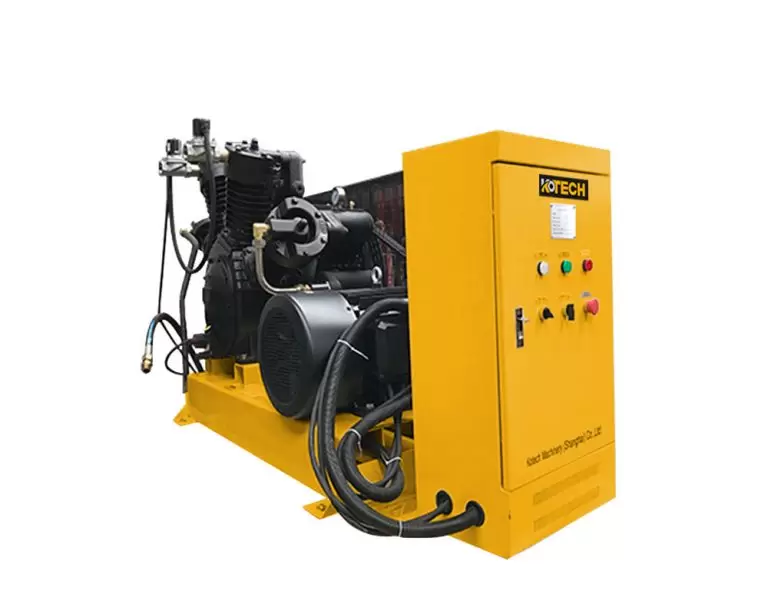
This guide explores cheap high-pressure diesel air compressors, covering core mechanics, strategic implementation, comparisons with alternatives, and solutions to common pitfalls. It helps industrial users balance upfront cost with long-term reliability for remote, heavy-duty operations.
Cheap High Pressure Diesel Air Compressor
Related: budget high-pressure diesel air compressor · cost-effective industrial pneumatic power · affordable diesel compressor for remote sites · high-pressure portable diesel air compressor · economical diesel air compressor for construction · low-cost heavy-duty pneumatic power source
A cheap high pressure diesel air compressor is a robust, self-contained mechanical system engineered to deliver compressed air at significantly elevated pressures, typically exceeding 150 PSI, powered by an integrated diesel engine. These units are specifically designed to provide essential pneumatic power in industrial settings, particularly where grid electricity is unavailable or unreliable, balancing performance with a more accessible upfront investment compared to premium or complex bespoke systems. The significance of these compressors in sectors like industrial construction, mining, and remote infrastructure development cannot be overstated. They address the critical need for powerful, portable, and autonomous compressed air sources to drive heavy-duty pneumatic tools, operate control systems, and facilitate various site-specific processes. Their inherent portability and independence from electrical grids solve the pervasive problem of power accessibility in challenging environments, ensuring operational continuity and project progression. From a strategic perspective, the judicious selection and deployment of a cost-effective high-pressure diesel air compressor can dramatically impact project timelines and budgets. By offering a pragmatic solution to power intensive applications without exorbitant capital outlay or ongoing grid connection costs, these systems enable businesses to maintain operational efficiency and responsiveness, driving productivity even in the most isolated or demanding work conditions. This article delves into the core principles, strategic implementation, and long-term value of these indispensable industrial assets.
Technical Breakdown: Core Components and Operational Mechanics
A cheap high pressure diesel air compressor fundamentally operates by converting the mechanical energy of a diesel engine into pneumatic energy, utilizing key components such as the robust diesel engine, the air end (compressor block), an air receiver tank, a comprehensive cooling system, and an intuitive control panel.
Based on structural analysis, the diesel engine serves as the power core, providing the necessary torque to drive the air end. Its selection is critical, balancing fuel efficiency, reliability, and maintenance simplicity. The air end, typically a screw or piston type, is engineered to draw in ambient air and compress it to the desired high pressure, a process requiring precise tolerances and durable materials to withstand continuous operation.
From a framework perspective, the compressed air is then stored in a pressure-rated air receiver, which dampens pulsations and provides a buffer for demand fluctuations. This tank, along with an efficient cooling system—often involving air-to-air or oil-to-air heat exchangers—is vital for maintaining operational integrity and preventing overheating, directly impacting the compressor’s longevity and performance. The entire system is managed through a control panel that monitors pressure, temperature, engine diagnostics, and safety cut-offs, ensuring safe and efficient operation.
Strategic Implementation: Deploying Cost-Effective High-Pressure Systems
Implementing a cheap high pressure diesel air compressor effectively involves a phased approach, starting with precise application assessment and culminating in optimized operational deployment and meticulous maintenance practices to ensure long-term value.
In practical application, the initial step requires a thorough needs assessment. This involves accurately determining the required CFM (cubic feet per minute) and PSI (pounds per square inch) for all connected pneumatic tools and equipment, considering peak demand and duty cycles. Over- or under-sizing can lead to inefficiencies, premature wear, or insufficient power, negating any initial cost savings.
Subsequently, sourcing and procurement must balance upfront cost with reputable manufacturers and after-sales support. While the aim is a ‘cheap’ unit, compromising on essential build quality for critical components like the air end or engine can result in higher long-term operational costs and downtime. Following this, site preparation is crucial; ensuring adequate ventilation, stable ground, secure fueling facilities, and implementing comprehensive safety protocols are paramount before commissioning the unit. Finally, continuous operational training for personnel on proper usage, monitoring, and basic troubleshooting extends the compressor’s life and enhances site safety.
Comparative Analysis: Diesel vs. Electric vs. Portable Petrol Compressors
Comparing cheap high pressure diesel air compressors with their electric and smaller portable petrol counterparts reveals distinct advantages in specific operational contexts, primarily regarding power independence, sustained output, and overall operational cost-effectiveness for heavy-duty applications.
From a comparative analysis standpoint, cheap high pressure diesel air compressors excel in remote or mobile environments due to their self-contained power source, offering high CFM and PSI suitable for heavy industrial tasks like sandblasting or pile driving. While their upfront cost might be higher than a small petrol unit, their superior efficiency under load and robust build for continuous operation often result in lower cost per cubic foot of air over time. They typically have moderate complexity and high efficiency in fuel usage, but require more frequent and specialized maintenance compared to electric units.
Conversely, electric compressors offer lower noise and zero local emissions, making them ideal for indoor or urban environments with stable power access. However, their dependency on an electrical grid limits portability and flexibility, and achieving high pressure/CFM often necessitates significant electrical infrastructure, increasing installation complexity and cost. Portable petrol compressors, while offering maximum portability and lowest upfront cost, generally provide lower pressure and CFM, making them suitable only for lighter, intermittent tasks and less efficient for sustained industrial use. Therefore, the cheap high pressure diesel air compressor occupies a critical niche, providing robust, high-power pneumatic solutions where grid power is impractical, offering a balanced proposition of cost, power, and mobility.
Common Pitfalls & Professional Solutions in Diesel Compressor Management
Navigating the deployment and maintenance of cheap high pressure diesel air compressors requires foresight into common operational pitfalls, which include inadequate routine maintenance, improper sizing for the application, and neglecting critical environmental operating conditions.
Based on structural analysis, a frequent mistake is the neglect of routine preventative maintenance. Diesel engines and compressor air ends operate under significant stress; skipping oil changes, filter replacements (air, fuel, oil), or air-end checks leads to premature wear, reduced efficiency, and costly breakdowns. The professional solution involves implementing a strict, manufacturer-recommended maintenance schedule, utilizing high-quality consumables, and training dedicated personnel for these tasks. This proactive approach significantly extends equipment lifespan and minimizes unexpected downtime, directly impacting project continuity.
In practical application, another prevalent pitfall is the incorrect sizing of the compressor relative to the actual demand of the tools it powers. An undersized unit will run continuously at maximum capacity, leading to overheating and rapid wear, while an oversized unit consumes more fuel than necessary. The professional advice here is to conduct a thorough pre-purchase audit of all pneumatic tool requirements, including their individual CFM and PSI needs, and factor in a sensible buffer for future expansion or simultaneous tool usage. This ensures the compressor operates within its optimal efficiency range, maximizing its ‘cheap’ aspect through reduced running costs and increased longevity. Furthermore, ignoring the operating environment, such as extreme temperatures or dusty conditions, without adequate filtration or cooling adaptations, severely impacts performance and reliability; ensuring proper ventilation and environmental protection measures is a simple yet crucial solution.
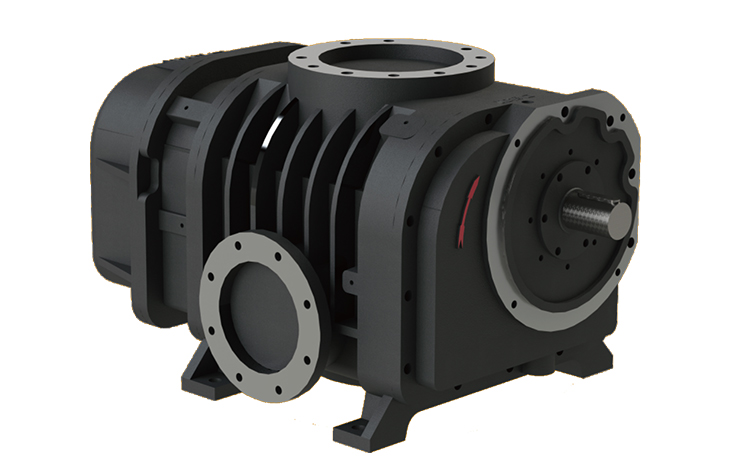
Related Reading: Mining Air Compressor Case Studies | Global Industrial Projects
Further Reading
- The Logic Behind Cheap Diesel Air Compressors for Mining A Structural Analysis of Value
- The Logic Behind Cheap Diesel Air Compressors for Mining A Structural Analysis of Value
- Why 2‑Stage Diesel Air Compressors Outperform Single‑Stage in Heavy Industrial Operations
- Mining Air Compressor Case Studies | Global Industrial Projects
- affordable construction air compressor – The Logic Behind l
- How Small Diesel Air Compressors for Workshops Are Redefining Automotive and Fabrication Efficiency
- Overcoming On-Site Power Challenges The Strategic Value of a Used 300 CFM Diesel Air Compressor for Sale
- The Logic Behind 100 CFM Diesel Air Compressor Installation A Structural Analysis for Industrial Applications
Related Applied Cases
Frequently Asked Questions
- What should I look for in a cheap high-pressure diesel air compressor to avoid hidden costs?
- Prioritize core components like a reputable diesel engine, durable air end (screw/piston), and reliable pressure-rated tank. Avoid units with unknown or low-quality parts, as they often lead to frequent breakdowns and high repair costs. Verify maintenance access and parts availability.
- How do I determine the right CFM and PSI for my cheap high-pressure diesel compressor?
- List all pneumatic tools and their CFM/PSI requirements, then add a 15-20% safety margin for simultaneous use or peak demand. Oversizing wastes fuel, while undersizing leads to overheating and premature wear, negating initial cost savings.
- Can a budget high-pressure diesel compressor handle continuous heavy-duty use?
- Yes, if properly sized and maintained. Look for models with robust cooling systems, high-quality filters, and a duty cycle rating matching your application. Avoid running them at maximum capacity 24/7 without proper cooling and maintenance.
- How do cheap high-pressure diesel compressors compare to electric or petrol alternatives?
- They offer unmatched portability and independence from grid power, making them ideal for remote sites. Unlike petrol units, they’re built for continuous heavy use, and unlike electric compressors, they don’t require power infrastructure. The trade-off is higher maintenance complexity than electric models.
- What maintenance is critical to keep my budget diesel compressor running reliably?
- Follow the manufacturer’s schedule: regular oil changes (engine + compressor), filter replacements (air/fuel/oil), daily condensate drainage, and hose/connection inspections. Neglecting maintenance is the top cause of premature failure in budget units.
- Can I use a cheap high-pressure diesel compressor for sandblasting or other high-demand tasks?
- Yes, provided the unit’s CFM/PSI matches the tool’s requirements. Sandblasting typically needs 150-300 CFM at 90-125 PSI. Ensure the compressor can deliver consistent pressure without overheating, and add multi-stage filtration to protect the blast pot and nozzle.