

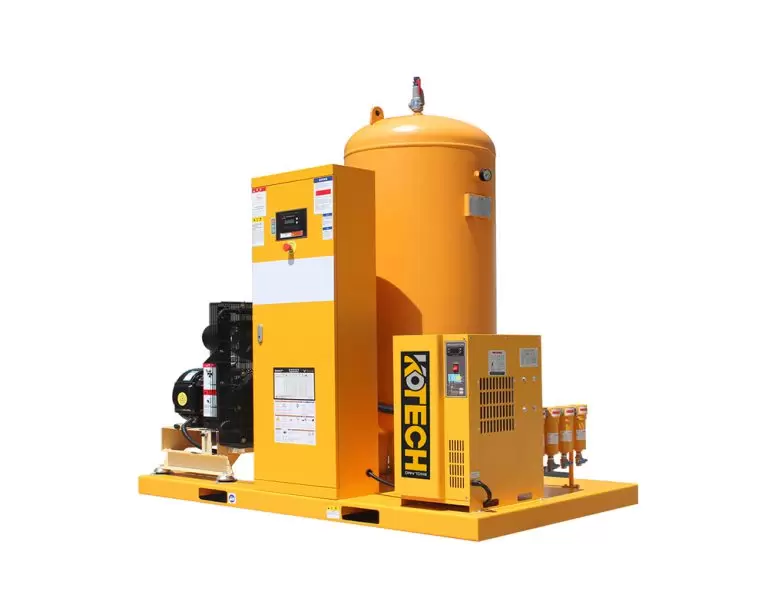
This guide explains ISO certification for 185 CFM diesel air compressors, covering key standards (ISO 9001, ISO 1217), the certification process, and benefits for construction and industrial users seeking verified quality and performance.
185 CFM Diesel Air Compressor ISO Certification Guide
Related: ISO-certified 185 CFM diesel air compressor · industrial air compressor ISO quality assurance · ISO 9001 certified 185 CFM compressor · performance-verified 185 CFM diesel compressor · ISO 1217 compliant air compressor · certified construction air compressor
185 CFM diesel air compressor ISO certification refers to the formal recognition by an independent body that a diesel-powered air compressor, specifically one rated at 185 cubic feet per minute (CFM), meets the requirements of international standards established by the International Organization for Standardization (ISO). This certification is not merely a label but a rigorous process validating a manufacturer’s quality management systems, environmental practices, safety protocols, and often, the performance characteristics of the compressor itself. In the demanding sectors of construction, mining, road building, and various industrial operations, the reliability and performance of equipment like the 185 CFM diesel air compressor are paramount. Uncertified equipment can lead to unpredictable downtime, increased operational costs due to inefficiency, safety hazards, and non-compliance with project or regulatory stipulations, severely impacting project timelines and profitability. The primary problem ISO certification for 185 CFM diesel air compressors solves is the pervasive uncertainty surrounding equipment quality, operational consistency, and adherence to global best practices. By mandating a structured approach to design, manufacturing, testing, and service, ISO standards provide a universally recognized benchmark, ensuring that certified compressors deliver consistent performance, enhance operational safety, and minimize environmental impact across diverse applications.
The Core Mechanics of 185 CFM Diesel Air Compressor ISO Certification
Based on structural analysis, the core mechanics of 185 CFM diesel air compressor ISO certification revolve around a multi-faceted approach to quality assurance and operational integrity. Key ISO standards applicable include ISO 9001 for Quality Management Systems, ISO 14001 for Environmental Management Systems, and ISO 45001 for Occupational Health and Safety Management Systems. Beyond management systems, specific product performance standards, such as ISO 1217 for displacement compressors, are crucial for verifying the actual output and efficiency of the 185 CFM unit.
From a framework perspective, ISO 9001 dictates that a manufacturer must have a documented quality management system that addresses customer requirements, regulatory compliance, and continuous improvement. For a 185 CFM diesel air compressor, this means meticulous control over design specifications, material sourcing, manufacturing processes, assembly, and final product testing. This includes calibration of testing equipment, documented procedures for quality checks at each stage, and a robust system for handling non-conformities.
Furthermore, ISO 14001 and ISO 45001 integrate environmental sustainability and worker safety into the compressor’s lifecycle. This covers aspects from the emissions of the diesel engine, noise levels, and waste management during manufacturing, to safe operating procedures and maintenance guidelines for end-users. The combined adherence to these standards ensures that a certified 185 CFM compressor is not only performant but also responsibly produced and safe to operate, minimizing its overall footprint and risk exposure.
Achieving Compliance: A Step-by-Step Guide to 185 CFM Diesel Air Compressor ISO Certification
In practical application, achieving ISO certification for a 185 CFM diesel air compressor involves a systematic, multi-stage process for manufacturers. The initial step is to identify the relevant ISO standards based on the company’s scope and the product’s intended market and applications. For instance, manufacturers targeting global markets will prioritize ISO 9001, ISO 14001, and often ISO 45001, alongside specific performance standards like ISO 1217 to validate the compressor’s rated output.
The second step involves developing and implementing a robust management system that aligns with the chosen ISO standards. This requires comprehensive documentation of processes, procedures, and policies covering everything from design and development to production, testing, sales, and after-sales service. Manufacturers must conduct internal audits to assess the effectiveness of their implemented systems and identify areas for improvement before engaging an external certification body.
The third and final step is the formal certification audit conducted by an accredited external certification body. This involves a two-stage audit: Stage 1 (readiness review) assesses the documented system, and Stage 2 (main audit) evaluates the implementation and effectiveness of the system in practice. Upon successful completion, the manufacturer receives the ISO certification, which is typically valid for three years, subject to annual surveillance audits to ensure ongoing compliance and continuous improvement.
185 CFM Diesel Air Compressor ISO Certification vs. Uncertified Alternatives: A Comparative Analysis
Comparing ISO-certified 185 CFM diesel air compressors with uncertified alternatives reveals significant differences across critical operational dimensions, directly impacting project viability and long-term cost of ownership.
| Dimension | ISO-Certified 185 CFM Compressor | Uncertified 185 CFM Compressor |
|—|—|—|
| Complexity | Higher initial process complexity for manufacturer due to rigorous documentation and audits; simpler for end-user due to assured quality. | Lower initial complexity for manufacturer; higher operational complexity for end-user due to unpredictable performance. |
| Efficiency | Verifiable performance (e.g., airflow, pressure, fuel consumption) through adherence to ISO 1217; optimized for energy and operational efficiency. | Performance can be inconsistent and unverified; potential for lower fuel efficiency and higher operational costs. |
| Cost | Potentially higher initial purchase price due to stringent quality controls and certification expenses; lower long-term operational costs due to reliability, efficiency, and reduced downtime. | Lower initial purchase price; higher long-term costs from increased maintenance, repairs, fuel consumption, and potential project delays. |
| Frequency (Maintenance/Breakdowns) | Reduced frequency of unexpected breakdowns and maintenance needs due to consistent manufacturing quality and robust design; predictable service intervals. | Higher frequency of unpredictable breakdowns and reactive maintenance; increased risk of equipment failure during critical operations. |
ISO certification, while adding a layer of complexity to the manufacturing process, translates into a far simpler and more reliable experience for the end-user. The assurance of quality, safety, and performance means fewer operational headaches and a more predictable cost structure over the equipment’s lifespan.
Navigating Certification Challenges: Common Pitfalls and Professional Solutions
One frequent mistake in pursuing 185 CFM diesel air compressor ISO certification is underestimating the scope and depth of documentation required. Many manufacturers compile only surface-level procedures without demonstrating how these systems are truly integrated into daily operations or how they drive continuous improvement. Professional advice on avoiding this pitfall involves dedicating sufficient internal resources to meticulously map out all processes, ensuring they are not just documented but also consistently followed and regularly reviewed for effectiveness.
Another common pitfall is a lack of sustained commitment from top management, viewing certification as a one-time How 185 cfm diesel air compressor ISO certification Is Reshaping Construction and Industrial Efficiency project rather than an ongoing organizational philosophy. This can lead to compliance drift post-certification, where initial gains in quality and efficiency erode over time. The solution is to embed ISO principles into the company culture, establishing regular management reviews, internal audits, and training programs to ensure all employees understand their role in maintaining and improving the certified systems.
Finally, misunderstanding the specific requirements of product-performance-related ISO standards, such as ISO 1217 for compressor performance, is a significant challenge. Some manufacturers might achieve ISO 9001 but fail to adequately test and document the actual air delivery and power consumption of their 185 CFM unit according to internationally recognized testing methods. Professional advice includes engaging with accredited testing laboratories early in the development cycle and ensuring all performance claims are rigorously validated and documented, providing verifiable data to customers and auditors alike.
Further Reading
- Oil & Gas Air Compressor Solutions for Drilling & Production
- How 185 cfm Silent Diesel Air Compressors Are Reshaping Industrial Efficiency
- How 300 cfm Diesel Air Compressor Export to Africa Is Reshaping Industrial Infrastructure Development
- The Logic Behind 500 CFM Heavy Duty Diesel Air Compressors A Structural Analysis for Industrial Efficiency
- 185 CFM diesel air compressor ISO certification – The Logic Behind C
- How Diesel Air Compressor Spare Parts Wholesale Optimizes Operational Continuity
- The Logic Behind Low Fuel Consumption Diesel Air Compressor A Structural Analysis
- How Proactive 185 cfm Diesel Air Compressor Maintenance Service Optimizes Industrial Operations
Related Applied Cases

Frequently Asked Questions
- What does ISO certification mean for a 185 CFM diesel air compressor?
- ISO certification (e.g., ISO 9001 for quality, ISO 1217 for performance) verifies the compressor meets international standards for manufacturing quality, safety, and airflow performance. It ensures consistent, reliable operation and compliance with global project requirements.
- Which ISO standards are most relevant for 185 CFM diesel air compressors?
- Key standards include ISO 9001 (quality management), ISO 1217 (compressor performance testing), ISO 14001 (environmental management), and ISO 45001 (occupational health and safety). Together, they validate quality, performance, and responsible manufacturing.
- What are the practical benefits of choosing an ISO-certified 185 CFM compressor?
- Certified units offer verified airflow output, consistent performance, enhanced safety, and lower long-term costs from reduced downtime and maintenance. They also meet the requirements of international projects and regulatory audits.
- How does an ISO-certified 185 CFM compressor differ from an uncertified one?
- Certified units undergo rigorous testing and quality control, ensuring verified performance and safety. Uncertified compressors may have inconsistent airflow, higher fuel consumption, or safety risks, leading to unexpected downtime and higher operational costs.
- Can ISO certification help my 185 CFM compressor meet project or regulatory requirements?
- Yes. Many industrial and construction projects require ISO-certified equipment to ensure quality and compliance. ISO certification provides a universally recognized benchmark, simplifying audits and project approvals.
- How can I verify that a 185 CFM diesel air compressor’s ISO certification is legitimate?
- Check the certification body’s accreditation, review the manufacturer’s ISO certificate (including scope and validity dates), and verify performance data against ISO 1217 test methods. Reputable manufacturers will provide full documentation upon request.