Small Diesel Air Compressor for Workshop Use
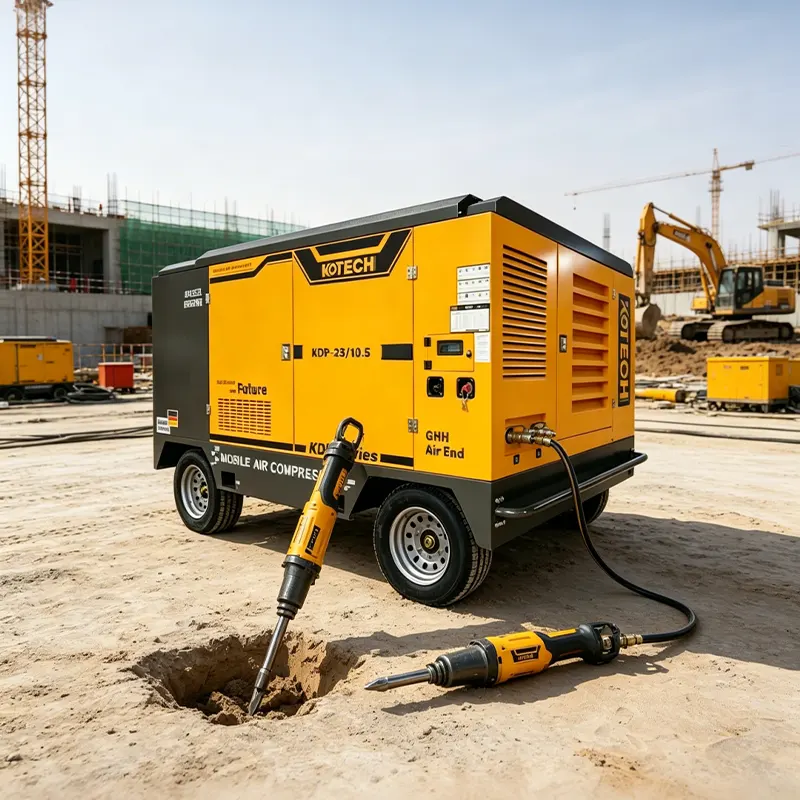
A small diesel air compressor for workshop environments is a robust, self-contained unit designed to provide compressed air power independently of grid electricity, offering unparalleled versatility and power in various professional settings. These units typically range from 20 to 60 CFM (Cubic Feet per Minute) and are powered by a compact diesel engine, making them ideal for mobile applications, remote job sites, and workshops seeking energy independence. From a framework perspective, their primary function is to convert the mechanical energy of diesel combustion into pneumatic energy, delivering consistent air pressure for a wide array of tools and machinery. The significance of integrating a small diesel air compressor into a workshop’s operational schema lies in its capacity to address critical limitations inherent in electric or larger, less mobile systems. In practical application, it eliminates the dependency on a constant power supply, thereby solving the problem of restricted tool usage in areas without readily available or sufficient electrical infrastructure. This independence translates directly into enhanced productivity and flexibility, particularly for automotive repair, mobile service vehicles, construction support, and metal fabrication workshops. Based on structural analysis, the demand for these self-sufficient compressor units has surged due to the increasing need for portable and powerful air solutions in diverse industrial and commercial applications. They offer a compelling balance of power, fuel efficiency, and mobility, which is often unmatched by their electric counterparts when off-grid operations are a prerequisite. This article will deep-dive into the mechanics, strategic implementation, and comparative advantages of small diesel air compressors, offering insights for optimal workshop integration.
The Core Mechanics of Workshop-Optimized Diesel Air Compressors
The core mechanics of a workshop-optimized small diesel air compressor revolve around a synergistic interplay of its diesel engine, compressor pump, air receiver tank, and sophisticated control systems. The diesel engine, typically a robust, low-RPM industrial unit, provides the power for the compressor pump. This engine is chosen for its fuel efficiency, durability, and ability to generate significant torque at lower speeds, which is crucial for compressor operation. The engine’s exhaust system, air intake, and fuel delivery are optimized for continuous, reliable performance in demanding workshop conditions.
From a framework perspective, the compressor pump itself is often either a rotary screw or a piston-type (reciprocating) mechanism. Rotary screw compressors are prized for their continuous air delivery, higher efficiency, How Small Diesel Air Compressors for Workshops Are Redefining Automotive and Fabrication Efficiency and lower noise levels, making them suitable for applications requiring a steady, uninterrupted air supply. Piston compressors, while more prone to pulsation, are generally simpler, more cost-effective, and robust, often preferred for intermittent use or where initial investment is a key consideration. Both types are designed for high-pressure output, essential for powering heavy-duty pneumatic tools.
Further integral components include the air receiver tank, which stores compressed air, dampens pulsations, and allows for cooling and moisture separation; a robust filtration system to remove contaminants and moisture; and advanced control panels. These panels often feature pressure gauges, hour meters, and automatic shutdown mechanisms for safety and operational efficiency, protecting the unit from overpressure or low oil levels. Based on structural analysis, the integration of these elements ensures a dependable and powerful air supply, critical for maintaining peak workshop productivity.
Implementing a Small Diesel Compressor: A Strategic Workshop Integration Guide
Implementing a small diesel air compressor effectively in a workshop requires a strategic, phased approach, beginning with a thorough needs assessment to ensure optimal sizing and placement. First, assess the cumulative CFM requirements of all pneumatic tools and machinery that will be operated simultaneously, adding a buffer for future expansion. This assessment will dictate the necessary output capacity of the compressor, ensuring that the unit is neither undersized (leading to pressure drops) nor oversized (resulting in unnecessary capital and operating costs).
Second, consider the physical placement and environmental factors. Diesel compressors require proper ventilation to prevent overheating and must be positioned in an area with adequate exhaust dispersion to comply with safety and environmental regulations. Noise levels, while generally manageable with modern designs, should also be a consideration, especially in enclosed workshop spaces. Secure, level ground is essential for stability, and accessibility for routine maintenance and refueling must be factored into the placement strategy.
Third, establish a comprehensive maintenance schedule based on the manufacturer’s recommendations and expected usage patterns. In practical application, this includes regular oil changes for both the engine and compressor pump, filter replacements (air, oil, fuel), and inspection of hoses, belts, and pressure relief valves. Proper maintenance is paramount to ensuring the longevity, efficiency, and reliability of the unit, preventing costly breakdowns and maintaining consistent performance over its operational lifespan.
Comparative Analysis: Diesel vs. Electric vs. Portable Petrol Compressors
When selecting a compressor for workshop use, comparing small diesel units against electric and portable petrol alternatives reveals distinct advantages and trade-offs across key dimensions. In terms of **Complexity**, diesel compressors are moderately complex, featuring an internal combustion engine plus the compressor assembly, requiring regular fuel and oil maintenance. Electric compressors are simpler mechanically but demand robust electrical infrastructure, while portable petrol units are simpler engine-wise but often less robust for continuous industrial use. From a framework perspective, this impacts initial setup and long-term servicing.
Regarding **Efficiency**, small diesel air compressors generally offer superior fuel economy and higher CFM output per unit of fuel compared to petrol equivalents, especially under heavy, sustained loads. Electric compressors boast high energy efficiency if the electrical supply is stable and cheap, but their reliance on grid power limits their deployment. Diesel units excel in power-to-weight ratio and sustained performance, making them highly efficient for mobile and extended operations where electricity is scarce. This structural analysis points to diesel as a high-efficiency choice for off-grid or remote tasks.
The **Cost** dimension encompasses initial purchase, fuel consumption, and maintenance. Diesel compressors often have a higher upfront cost than equivalent electric or petrol units. However, their lower fuel consumption (especially with fluctuating diesel prices) and longer operational life can offset this over time. Electric units might have lower operating costs if electricity rates are favorable, but require installation of high-amp circuits. Portable petrol compressors are typically the cheapest to acquire but have higher fuel consumption and shorter service intervals. From a framework perspective, diesel represents a long-term value proposition for demanding, independent applications.
Navigating Common Challenges with Workshop Diesel Compressors
Navigating common challenges associated with small diesel air compressors for workshops requires foresight and adherence to best practices, with two frequent mistakes being improper sizing and inadequate maintenance. A common pitfall is purchasing an undersized unit, which leads to the compressor constantly running at maximum capacity, causing premature wear, excessive fuel consumption, and insufficient air supply for tools. Conversely, an oversized unit incurs higher initial costs and can lead to short cycling, which is also detrimental to engine and compressor longevity. Proper sizing is critical for both performance and lifespan.
Another significant mistake is neglecting the rigorous maintenance schedule required by diesel engines and compressor pumps. Unlike simpler electric units, diesel compressors demand regular oil changes, fuel filter replacements, air filter cleaning/replacement, and periodic checks of belts, hoses, and pressure systems. In practical application, failure to adhere to these intervals results in reduced efficiency, increased fuel consumption, engine damage, and ultimately, costly downtime. Professional advice: Implement a preventative maintenance log and train staff on daily visual inspections, ensuring all fluid levels are checked and filters are clean before each use.
A third pitfall relates to noise and exhaust emissions, particularly when operating in enclosed workshop environments. While modern diesel compressors are designed with quieter operation in mind, they still produce more noise and exhaust than electric counterparts. Professional advice: Site the compressor outdoors or in a dedicated, well-ventilated enclosure away from primary workspaces. Utilize sound-dampening materials and ensure exhaust systems are properly routed to the exterior, adhering to all local noise and air quality regulations. Investing in advanced muffler technology can also mitigate noise output.