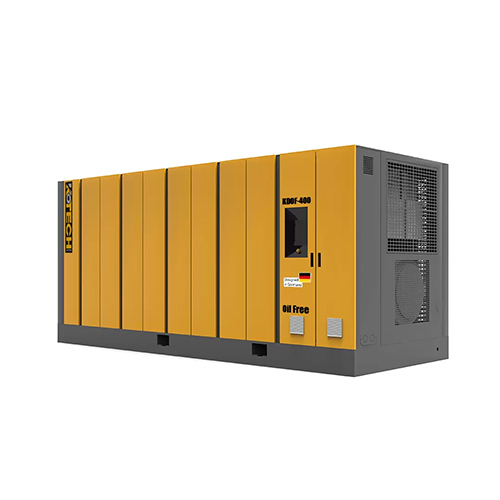
Diesel Air Compressors for Painting Export
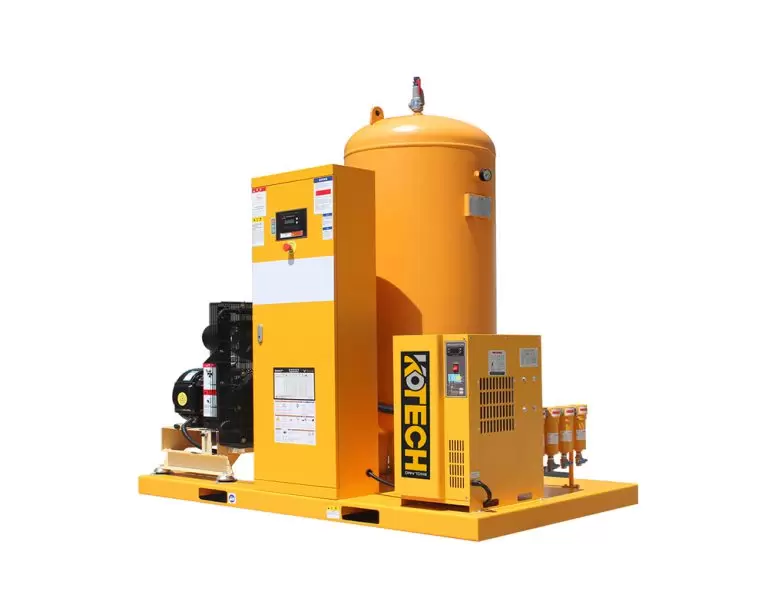
Diesel air compressors specifically engineered for painting export represent a cornerstone technology for industrial coating applications requiring robust, portable, and self-sufficient compressed air solutions in international markets. This specialized equipment is not merely a utility but a strategic asset, designed to meet the rigorous demands of diverse environmental conditions and varying regulatory landscapes encountered globally. From a framework perspective, these compressors are critical enablers for projects where grid power is either unavailable, unreliable, or economically unfeasible. The primary problem these advanced systems solve is the perennial challenge of delivering high-quality, consistent compressed air for professional painting operations in remote sites, developing regions, or large-scale infrastructure projects far from established electrical grids. Conventional electric compressors are tethered to power sources, while smaller petrol units often lack the sustained output and durability required for extensive industrial work. Diesel models bridge this gap, offering unparalleled independence and performance. Based on structural analysis, the demand for these units underscores a global trend towards mobile and flexible industrial operations, particularly within sectors such as shipbuilding, oil and gas, infrastructure development, and large-scale manufacturing. Their ability to maintain precise air pressure and flow, coupled with robust construction, ensures superior finish quality and operational continuity, making them indispensable for international contractors and manufacturers aiming for excellence in their global footprint.
Defining Diesel Air Compressors for Export Painting Applications
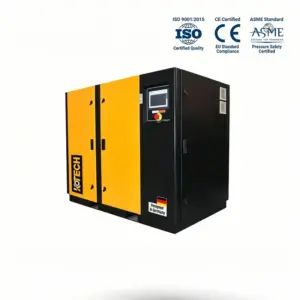
Diesel air compressors engineered for painting export are robust, portable compressed air solutions specifically designed to meet the rigorous demands of industrial coating applications in diverse international markets, often where grid power is scarce or unreliable. These units combine the power and longevity of a diesel engine with advanced air compression and treatment systems, tailored for mobility and sustained high-volume output in varied environmental conditions.
From a practical perspective, their design emphasizes durability, fuel efficiency, and ease of maintenance, all crucial factors for deployment in remote or challenging global sites. Unlike standard industrial compressors, export-grade models often incorporate enhanced features for harsh climates, such as reinforced chassis, specialized filtration, and compliance with multiple international safety and emissions standards.
The significance of these compressors extends beyond mere functionality; they empower businesses to undertake critical painting projects anywhere in the world, ensuring consistent application quality regardless of local infrastructure limitations. This autonomy allows for greater operational flexibility and the capability to meet stringent project deadlines in geographically dispersed locations, a vital consideration for multinational enterprises.
Core Engineering and Operational Principles for Export Units
The underlying logic of diesel air compressors for painting export centers on robust engine performance, efficient air compression, and advanced filtration systems, all optimized for reliable operation in varied environmental conditions and compliance with international standards. At their heart lies a powerful, often heavy-duty diesel engine, selected for its torque, fuel efficiency, and ability to operate reliably under continuous load.
Based on structural analysis, the compressor block itself is typically a rotary screw type, known for its continuous, pulsation-free air delivery, which is essential for high-quality paint application. These systems incorporate multi-stage air filtration, including particulate, coalescing, and often activated carbon filters, to ensure the air delivered to the paint gun is absolutely clean, dry, and oil-free, preventing common paint defects like fish-eyes, blistering, and adhesion issues.
Furthermore, these units are equipped with sophisticated control panels for monitoring operational parameters such as pressure, temperature, and engine diagnostics. Many export models also integrate advanced safety features, automatic shutdowns, and telematics capabilities for remote monitoring and diagnostics, which are invaluable for managing fleets deployed across vast geographical areas and ensuring optimal performance and preventative maintenance cycles.
Strategic Advantages in Remote and International Painting Projects
Diesel air compressors offer distinct operational advantages for global painting projects, primarily due to their self-sufficiency, mobility, and ability to deliver consistent high-pressure air flow essential for quality finishes in challenging environments. The most significant advantage is their independence from electrical grids, allowing them to be deployed in construction sites, shipyards, or remote infrastructure projects where power access is limited or non-existent. This self-reliance drastically reduces logistical complexities and setup times.
In practical application, the robust build quality of export-grade diesel compressors ensures durability and longevity, capable of withstanding harsh weather, dust, and continuous heavy-duty use characteristic of industrial painting. Their larger fuel tanks and efficient diesel engines provide extended operating hours, minimizing downtime for refueling and maximizing productivity on large-scale projects. This sustained performance is critical for maintaining project timelines and delivering consistent, high-quality finishes over expansive surfaces.
Moreover, the higher CFM (cubic feet per minute) output of industrial diesel compressors easily supports multiple paint guns and ancillary equipment simultaneously, a crucial factor for large teams and accelerated project completion. This capacity, combined with their superior portability compared to fixed electric installations, positions them as the preferred choice for contractors undertaking significant international painting contracts, where flexibility and unwavering performance are paramount.
Selecting and Implementing a Diesel Air Compressor for Export: A Step-by-Step Guide
The process of selecting and implementing a diesel air compressor for export painting involves a meticulous assessment of project requirements, environmental factors, and regulatory compliance to ensure optimal performance and operational longevity. From a framework perspective, this is a multi-faceted decision-making process that extends beyond simple power output considerations, encompassing logistics, maintenance, and international standards.
In practical application, procuring and deploying a diesel air compressor for painting export requires a structured approach, encompassing needs assessment, specification matching, logistical planning, and adherence to international and local regulatory frameworks. This includes several critical steps: 1) First, **Assess Air Volume and Pressure Needs (CFM/PSI)**, considering the type of paint guns, coating materials, and required application speed. 2) Second, **Consider Environmental Conditions** of the target export location, including ambient temperature ranges, humidity, altitude, and prevalent dust levels. 3) Third, **Evaluate Fuel Availability and Consumption** in the destination country, factoring in fuel quality and cost. 4) Fourth, **Verify Emission and Noise Regulations** for the target market, as these vary significantly by country and region. 5) Fifth, **Plan Logistics and Shipping Requirements**, including dimensions, weight, crating, and any specialized handling. 6) Finally, **Implement Pre-shipment Testing and Certification** to ensure the unit meets all specified performance and compliance criteria before export.
Adherence to these steps ensures that the chosen compressor is not only technically capable but also logistically viable and compliant with all necessary international standards, leading to successful project execution and minimizing costly delays or non-compliance penalties.
Comparative Analysis of Power Sources for Mobile Painting
A comparative analysis of power sources for mobile painting reveals that diesel air compressors offer a compelling balance of power, portability, and independence when contrasted with electric and portable petrol alternatives for export scenarios. Each power source presents distinct advantages and limitations across key operational dimensions, informing strategic selection.
From a comparative analysis perspective, electric compressors typically boast lower initial costs, reduced noise levels, and zero direct emissions during operation. However, their major drawback for export painting is their inherent reliance on a stable and powerful electrical grid, which is often unavailable or inconsistent in remote or developing project locations, severely limiting their portability and operational independence. Their efficiency is high when grid power is accessible, but their deployment complexity escalates significantly when generators are required.
Conversely, portable petrol compressors offer high mobility and a relatively low initial investment, making them suitable for small, intermittent jobs. Yet, they often fall short in sustained power output (CFM/PSI) required for large-scale industrial painting, have higher fuel consumption over extended periods, and demand more frequent refueling. Their engine longevity and durability are typically less robust than industrial diesel counterparts. Diesel air compressors, despite generally having a higher initial capital outlay and requiring more involved engine maintenance, excel in delivering sustained, high-volume, and high-pressure air flow. Their independence from external power sources, coupled with impressive fuel efficiency for their output, makes them the superior choice for continuous, heavy-duty industrial painting in diverse and challenging global environments, justifying their strategic selection for export-oriented operations.
Overcoming Export Challenges and Regulatory Compliance
Based on structural analysis, failure to comply can result in significant delays, fines, or even rejection at customs, severely impacting project timelines and profitability.
From a framework perspective, key compliance areas include engine emission standards, which vary widely. For instance, North America adheres to EPA Tier standards, while Europe follows EU Stage regulations. Exporters must ensure their chosen compressor’s engine meets the specific emission tier mandated by the destination country. Similarly, safety certifications (e.g., CE marking for Europe, UL for specific North American markets, or country-specific equivalents) are non-negotiable, verifying that the equipment meets essential health and safety requirements.
In practical application, successful export also necessitates meticulous documentation, including commercial invoices, packing lists, certificates of origin, and potentially specific import licenses or declarations related to hazardous materials (fuel, lubricants). Understanding and accurately completing these documents, alongside coordinating with reputable logistics partners specializing in heavy equipment, are critical steps to ensure smooth customs clearance and timely delivery to the project site.
Common Operational Pitfalls and Expert Solutions
Operational pitfalls with diesel air compressors for painting export often stem from inadequate maintenance, improper environmental considerations, and non-compliance with local fuel or emission regulations, all of which can be mitigated with proactive strategies. Based on structural analysis, these issues, if unaddressed, can lead to costly downtime, compromised paint quality, and regulatory infractions.
One frequent mistake is **Insufficient Air Filtration and Drying**. Moisture, oil aerosols, and particulates in compressed air are detrimental to paint adhesion and finish quality. A professional solution involves implementing multi-stage filtration (particulate, coalescing, and often activated carbon filters) alongside an appropriately sized refrigeration or desiccant dryer. This is especially crucial in humid export environments to prevent paint defects like fish-eyes, blistering, and cratering, ensuring a pristine finish.
Another common pitfall is **Neglecting Engine Maintenance in Remote Locations**. Diesel engines require regular servicing to ensure reliability. The expert solution is to establish a strict preventative maintenance schedule including timely oil changes, fuel filter replacements, air cleaner inspections, and coolant checks, tailored to the operating environment. Furthermore, ensuring a readily available spare parts kit for critical components (e.g., filters, belts, sensors) and having trained personnel or readily accessible service contacts is paramount for operations in areas with limited service infrastructure.
A third significant mistake is **Non-Compliance with Local Emission and Noise Standards**. This can lead to heavy fines and operational shutdowns. The strategic solution involves thoroughly researching and specifying compressors that meet the target country’s specific emission tiers (e.g., EPA Tier, EU Stage) and noise limits *before* export. Utilizing certified models with appropriate documentation and ensuring local operators are aware of and adhere to operating restrictions are essential for regulatory adherence and sustained operation.