
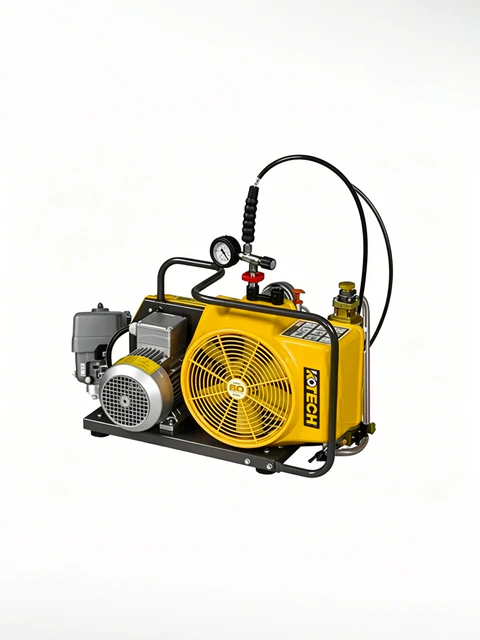
Unlocking Global Efficiency: The Right Portable Diesel Air Compressor for Your Toughest Jobs
The Unsung Workhorse: Why Portable Diesel Air Compressors Remain Critical
It’s the backbone powering everything from rock drills and pile drivers to heavy-duty sandblasting units and concrete breakers. You simply cannot get the sustained power and mobility required for these demanding applications from most electric or battery-powered alternatives, especially when working off-grid or in rapidly changing site conditions. The core judgment here is clear: for sheer versatility, power-to-weight ratio, and independence from fixed power infrastructure, diesel still holds the crown in these sectors.
These aren’t just simple machines; they’re complex systems designed to withstand extremes. We’re talking about relentless dust, vibration, temperature swings from arctic cold to desert heat, and continuous heavy loads. Any piece of equipment that can consistently perform under these conditions is a significant investment, and getting it right means the difference between project success and crippling delays.
Navigating Global Demand: Data-Driven Insights
The global landscape for heavy equipment, including portable diesel air compressors, is constantly evolving, driven by infrastructure spending and resource extraction demands. Understanding these trends isn’t just academic; it directly impacts your procurement and operational strategy. This growth signals sustained demand for reliable air power across diverse projects, from urban development to remote infrastructure.
Fuel costs represent a significant chunk of operational budgets. When you’re running multiple compressors 24/7, even a small percentage point improvement in fuel efficiency translates into massive savings over a project’s lifecycle. Manufacturers are acutely aware of this, investing heavily in engine technologies and compressor designs that minimize fuel burn without sacrificing power. This isn’t just a marketing ploy; it’s an economic imperative for end-users.
Furthermore, global emission regulations are tightening. The European Union’s Stage V and the U.S. EPA’s Tier 4 Final standards, for example, mandate significant reductions in particulate matter and nitrogen oxides. These regulations, which have been incrementally implemented over the last decade, mean that older, less compliant machines are increasingly restricted or penalized, particularly in developed markets. A 2022 report by the International Council on Mining and Metals (ICMM) highlighted that regulatory compliance and environmental stewardship are top-tier concerns for mining companies, directly influencing equipment purchasing decisions. Ignoring these standards isn’t an option; it’s a fast track to fines and reputational damage.
Beyond Raw Power: Key Selection Criteria for Worldwide Operations
Choosing the right portable diesel air compressor involves a much deeper dive than simply matching CFM to tool requirements. It’s about anticipating every possible challenge a global operation might throw at you.
Durability and Performance in Extremes
Mining and construction sites often operate in conditions that would break lesser machines. Think about operating in the Australian outback where temperatures soar past 110°F (43°C), or in the Canadian Arctic where winter brings -40°F (-40°C) and below. A premium compressor needs heavy-duty chassis construction, robust air filtration systems specifically designed for dusty environments, and cooling systems that can handle extreme heat. Vibration isolation is also crucial, protecting internal components and extending the machine’s lifespan.
Fuel Efficiency and Emission Compliance
This isn’t just about saving money; it’s about staying operational. Modern diesel engines, particularly those meeting Tier 4 Final or Euro Stage V standards, incorporate advanced technologies like selective catalytic reduction (SCR) and diesel particulate filters (DPF). While these add complexity, they are essential for compliance. Look for compressors with intelligent engine management systems that optimize fuel consumption based on demand, often featuring eco-mode settings. A unit that can run longer on a single tank reduces refueling logistics, which is a huge advantage in remote areas.
Connectivity and Predictive Maintenance
The rise of IoT (Internet of Things) and telematics has transformed how we manage fleets. Modern portable diesel compressors often come equipped with integrated telematics systems. These systems provide real-time data on fuel consumption, engine hours, GPS location, service alerts, and fault codes. This data is invaluable for predictive maintenance, allowing you to schedule service proactively rather than reacting to breakdowns. It allows project managers to monitor equipment health from a central office, ensuring optimal performance across a scattered fleet.
When Diesel Isn’t the Only Answer: Understanding Limitations and Alternatives
While diesel remains dominant, it’s not a universal solution. There are specific boundary conditions where a portable diesel compressor might not be the optimal choice. For example, in highly sensitive urban construction zones with strict noise ordinances or zero-emission requirements, an electric or hybrid portable compressor might be preferred, despite the need for a reliable power source. Similarly, for very small-scale, intermittent tasks requiring minimal CFM, a compact electric unit or even a smaller gasoline-powered compressor might be more cost-effective and easier to transport. It’s important to assess the specific job site requirements, local regulations, and available infrastructure before committing. Diesel’s strength lies in its independence and power, but where those aren’t paramount, other options exist.
Practical Deployment Strategies for Maximum ROI
Maximizing your return on investment for portable diesel air compressors goes beyond the initial purchase. It involves smart deployment, diligent maintenance, and effective operator training.
First, consider the rental versus purchase dilemma. For short-term projects or highly specialized needs, renting can be more economical, eliminating capital expenditure and maintenance overhead. However, for long-duration projects or continuous fleet needs, purchasing often makes more financial sense, especially if you can leverage bulk discounts and establish a dedicated maintenance program.
Second, implement a rigorous preventive maintenance schedule. This means regular oil changes, filter replacements (air, fuel, oil), and checking for wear and tear on hoses and belts. Don’t skimp on this. A small investment in maintenance prevents catastrophic failures. Use the telematics data to inform these schedules.
Finally, invest in proper operator training. A well-trained operator understands how to start, operate, and shut down the machine correctly, recognize early warning signs of issues, and perform basic daily checks. This extends the life of the compressor and ensures it operates at peak efficiency.




