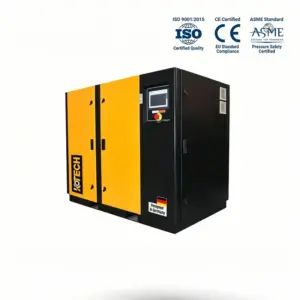
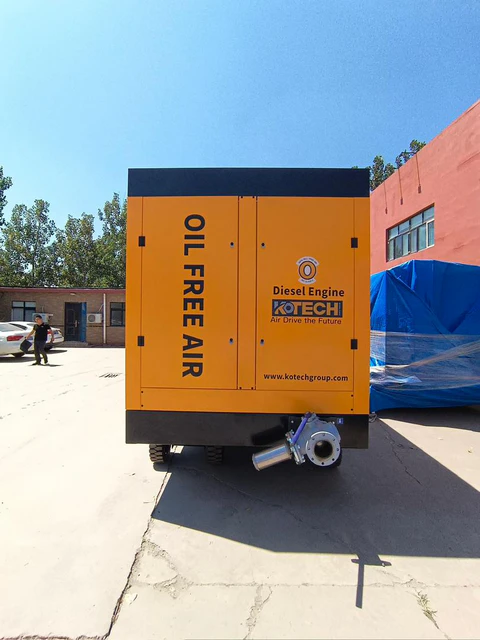
Selecting High-CFM Compressors for Peak Drilling Performance
- Prioritize CFM and Pressure: Inadequate air volume or pressure directly cripples drill penetration rates and overall project timelines.
- Assess Total Cost of Ownership (TCO): Initial CAPEX is only part of the equation; factor in fuel efficiency, maintenance, and potential downtime costs.
- Embrace Smart Technology: Remote monitoring and predictive maintenance are no longer luxuries; they are critical for maximizing uptime in harsh mining environments.
- Robustness is Non-Negotiable: Mining compressors must be built to withstand extreme conditions, from dust and vibration to temperature swings.
- Consider Power Source: The choice between diesel and electric impacts OPEX, emissions, and site logistics significantly.
The Critical Role of High-CFM Air Compressors in Large-Scale Drilling
For any large-scale drilling operation—be it blast hole drilling in open-pit mines or exploration drilling in remote areas—the air compressor isn’t just a piece of equipment; it’s the heart of your pneumatic system. Without adequate air volume (CFM) and pressure, drill rigs underperform, penetration rates plummet, and project schedules stretch, leading to substantial cost overruns.
The core judgment? Investing in high-capacity mining air compressors designed for relentless duty cycles is paramount for operational efficiency and profitability.
Understanding Your Air Needs: Beyond Just CFM
Choosing a high-CFM mining air compressor isn’t a “one-size-fits-all” scenario. It requires a meticulous evaluation of your specific drilling application. Are you running multiple large-diameter blast hole rigs simultaneously? Or is it a series of deep exploration boreholes? Each scenario demands a tailored approach to air supply.
Matching Compressor Output to Drill Requirements
The primary pain point for many operators is mismatched air delivery. A drill rig requires a specific CFM at a certain PSI to operate optimally. If your compressor can’t consistently deliver that, you’re just wasting fuel and time. Frankly, some engineers overlook the impact of altitude and temperature on compressor performance, which can significantly derate a unit’s effective CFM in real-world mining conditions. Always factor in these environmental variables when sizing.
Navigating the Power Source Dilemma: Diesel vs. Electric
The choice between diesel-powered and electric air compressors for heavy-duty drilling applications presents a significant operational and financial decision. Each has distinct advantages and disadvantages that influence total cost of ownership (TCO) and environmental compliance.
Diesel-Powered Air Compressors: The Workhorse
Diesel units remain the traditional choice for their mobility and independence from grid power, making them ideal for remote exploration sites or rapidly changing drilling locations. Their robust nature is well-suited for the harsh conditions of a mine site. However, they come with substantial operational expenditure (OPEX) in terms of fuel consumption and emissions. This underscores the need for highly fuel-efficient engines in diesel compressors.
Electric Air Compressors: The Modern Alternative
As mining operations become more electrified and environmental regulations tighten, electric air compressors are gaining traction. They offer lower running costs due to cheaper electricity compared to diesel, reduced noise levels, and zero direct emissions at the point of use. This makes them particularly appealing for fixed or long-term drilling sites where grid power is accessible or where significant investment has been made in on-site renewable energy generation. The challenge lies in infrastructure—getting reliable, high-voltage power to the drilling location can be a significant capital expenditure (CAPEX).
The True Cost: Total Cost of Ownership (TCO)
When evaluating industrial air compressors for large-scale projects, focusing solely on the purchase price is short-sighted. The TCO encompasses initial investment, energy consumption, maintenance, spare parts, and, critically, potential downtime costs.
A robust, mine-spec unit, while possibly having a higher upfront cost, often yields a significantly lower TCO over its lifespan due to superior durability, fuel efficiency, and reduced maintenance intervals.
Leveraging Technology for Peak Performance and Uptime
Modern high-CFM mining air compressors are increasingly integrated with advanced technologies that enhance efficiency and reliability. These aren’t just gadgets; they’re essential tools for competitive advantage.
Remote Monitoring and Predictive Maintenance
Parameters like air pressure, temperature, fuel levels, and engine diagnostics can be tracked, allowing for proactive maintenance schedules. This shift from reactive repairs to predictive maintenance minimizes unexpected breakdowns.
Advanced Control Systems
Intelligent control systems optimize compressor output based on demand, reducing energy waste. Variable speed drive (VSD) technology, for instance, adjusts the motor speed to match air demand, leading to substantial energy savings, especially in applications with fluctuating air requirements.
Boundary Conditions: When High-CFM Isn’t the Only Answer
While high-CFM is crucial for large-scale production drilling, it’s not always the sole determinant of success. For highly specialized or very small-scale exploration drilling in extremely confined spaces, a smaller, more maneuverable unit with precise pressure control might be more appropriate, even if its overall CFM is lower. Similarly, for dewatering applications, while high volume is important, the primary focus shifts to continuous operation and resistance to water ingress rather than sheer drilling power.
Practical Implementation and Procurement Strategies
Acquiring the right heavy-duty air compressors for mining requires strategic planning.
Rental Fleets vs. Ownership
For projects with defined timelines or fluctuating demands, leveraging a reputable rental fleet can be a smart move. For long-term, continuous operations, outright purchase often makes more financial sense over the compressor’s lifecycle.
Supplier Reputation and Support
The reliability of your supplier is almost as important as the reliability of the machine itself. Look for manufacturers with a proven track record in mining, robust parts availability, and 24/7 technical support. A strong service network on the ground can make all the difference when a critical component fails in a remote location.
Maintenance Regimes for Longevity
Even the most rugged mine-spec equipment needs diligent maintenance. Regular oil changes, filter replacements, and checking for leaks are fundamental. But for these high-CFM units, it’s also about specialized checks: ensuring proper cooling system function in dusty conditions, inspecting air ends for wear, and calibrating pressure sensors regularly. A comprehensive preventative maintenance schedule, strictly adhered to, extends the lifespan of these vital assets significantly.
Conclusion: Powering Your Progress
The success of large-scale drilling projects hinges on a robust, reliable, and appropriately sized air compression system. High-CFM mining air compressors are not just tools; they are strategic investments that directly impact productivity, operational costs, and project timelines. By focusing on TCO, leveraging modern technology, and partnering with reliable suppliers, mining operations can ensure they have the air power needed to drill deeper, faster, and more efficiently.